


Best Toothbrush for Smokers: Complete Oral Care Guide
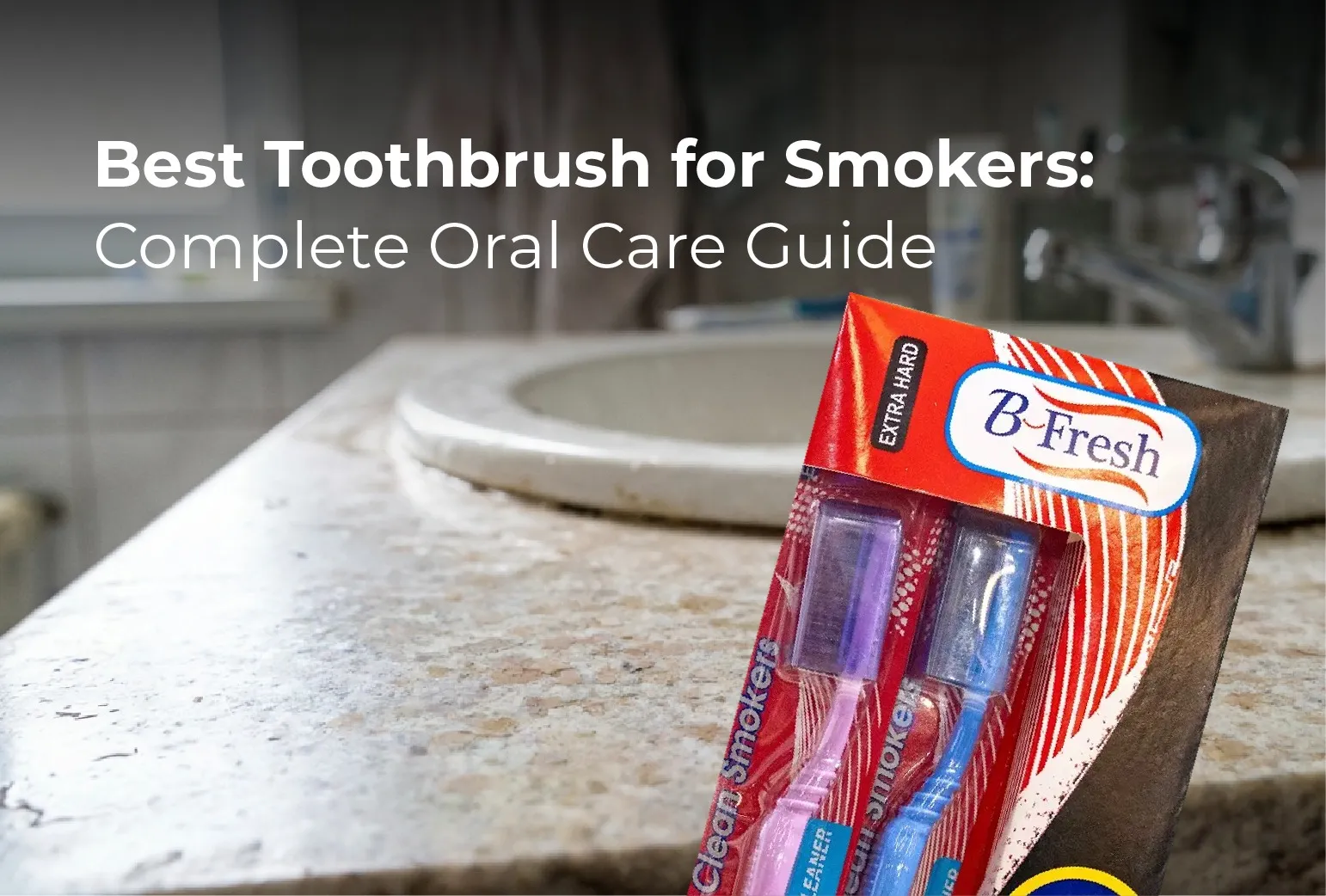
For many smokers, the effects of smoking on oral health often appear gradually. At first, it may be mild bad breath after smoking or slight yellowing around the teeth. Over time, however, these changes become far more noticeable. Teeth begin to lose their brightness, plaque builds up more aggressively around the gum line, breath freshness becomes harder to maintain, and the mouth may start feeling dry or uncomfortable. What many people do not immediately realize is that smoking changes the entire environment of the mouth, creating conditions that allow bacteria, stains, and oral health problems to develop much faster than usual.
This is why oral care for smokers requires more than an ordinary brushing routine. Smokers often require a more targeted cleaning approach capable of addressing plaque buildup, surface staining, gum sensitivity, and odor-causing bacteria simultaneously. Choosing the best toothbrush becomes an important part of maintaining not only cleaner teeth but also healthier gums and better overall oral hygiene.
The right toothbrush can make a significant difference in how effectively stains are managed, how thoroughly plaque is removed, and how fresh the mouth feels throughout the day. A poorly designed toothbrush may clean only the visible surface of the teeth while leaving bacteria and residue trapped along the gum line, between teeth, and across the tongue. Over time, this can worsen oral hygiene problems and contribute to long-term dental complications.
At Quantum Consumer Nigeria, we understand that effective oral care begins with using the right products consistently. For smokers especially, daily oral hygiene is not just about maintaining appearance; it is about protecting the health of the teeth, gums, and entire mouth from the long-term effects of tobacco exposure. Understanding how smoking affects oral health and how the right toothbrush supports better cleaning can help smokers build healthier habits that improve oral comfort, confidence, and hygiene over time.
How Smoking Changes the Oral Environment
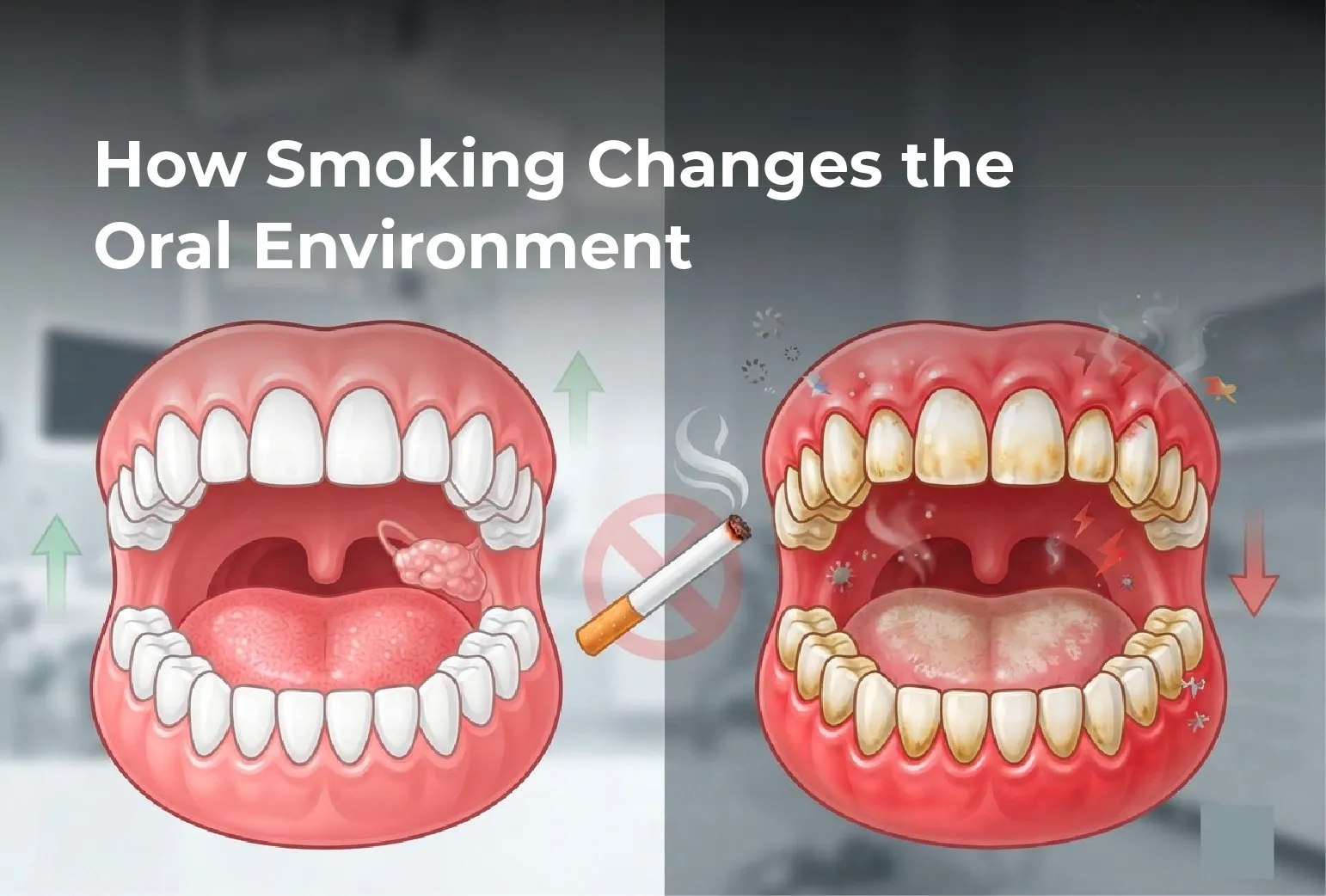
Smoking affects the mouth in several interconnected ways, which is why many smokers experience multiple oral health issues at the same time. Tobacco smoke contains nicotine, tar, and thousands of chemical compounds that repeatedly coat the teeth and soft tissues inside the mouth. With consistent exposure, these substances begin altering the natural balance of the oral environment.
One of the earliest visible effects is tooth discoloration. Nicotine itself is colorless, but when exposed to oxygen, it turns yellowish and gradually attaches to tooth enamel. Tar, which is naturally dark, also accumulates on the teeth over time. Together, they create the stubborn yellow and brown stains associated with long-term smoking. These stains are often difficult to remove using ordinary brushing methods alone, which is why many smokers begin searching for the best toothbrush for stained teeth.
Smoking also reduces saliva production, contributing to dry mouth. Saliva plays a major role in oral health because it helps wash away food particles, neutralize bacteria, and protect tooth enamel. When saliva production decreases, bacteria can multiply more inside the mouth. This often leads to persistent bad breath, increased plaque buildup, and a higher risk of gum disease.
At the same time, tobacco restricts blood circulation to the gums. Reduced blood flow weakens the gums’ natural ability to heal and defend themselves against infection. As a result, smokers are more vulnerable to gum inflammation, bleeding, gum recession, and periodontal disease.
What makes these problems concerning is that they often develop slowly. Many smokers may not notice the damage until symptoms become severe. This is why maintaining a strong oral hygiene routine with the right smoker's toothbrush becomes important for long-term oral care.
Why Smokers Need a Different Kind of Toothbrush
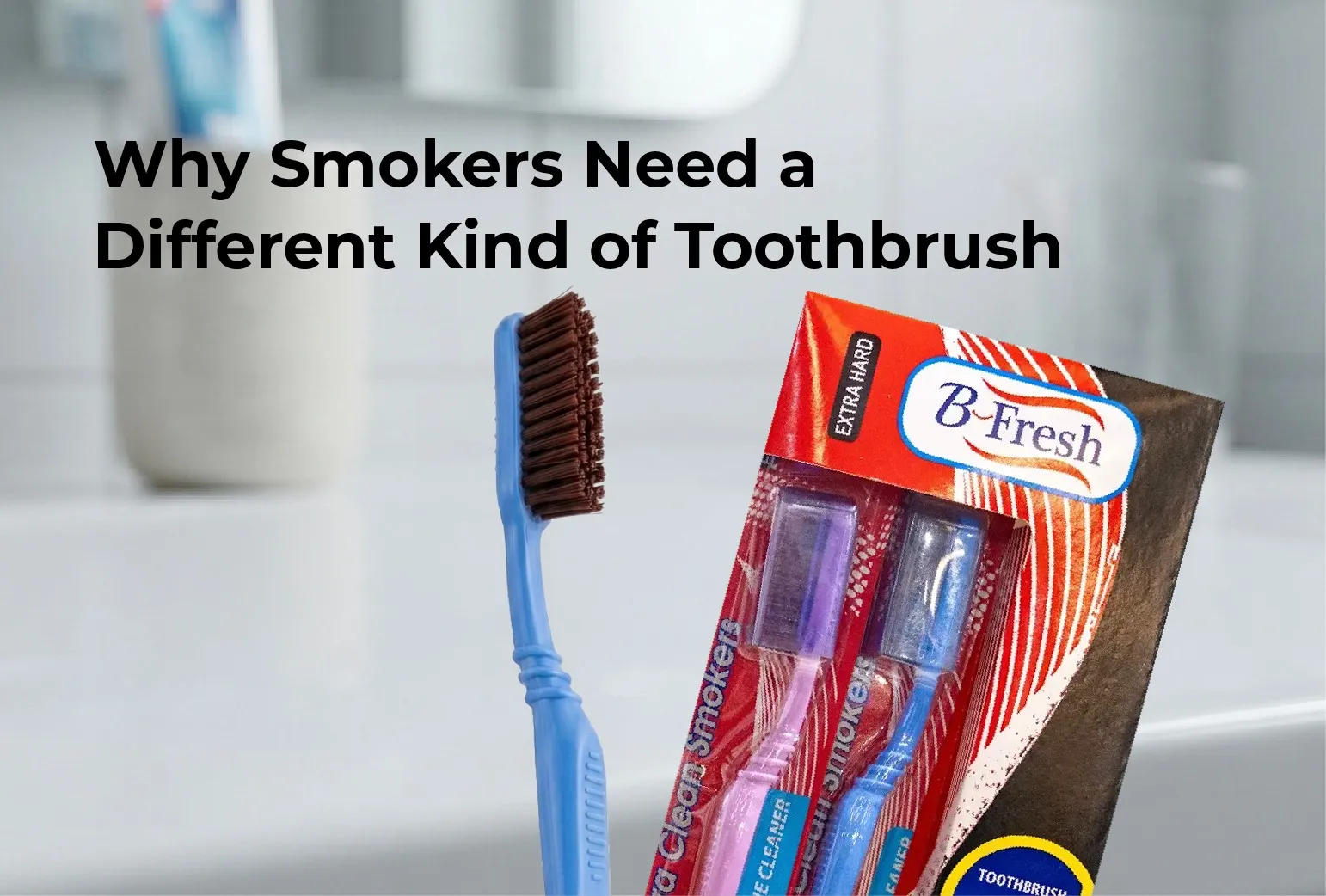
The oral care needs of smokers are very different from those of non-smokers. Smoking creates heavier plaque buildup, more aggressive staining, and greater bacterial accumulation throughout the mouth. Because of this, ordinary toothbrushes may not always provide the level of cleaning required to manage these issues effectively.
A toothbrush for smokers should be designed to support deeper cleaning while still remaining gentle enough to protect sensitive gums and enamel. Smokers often require toothbrushes capable of cleaning around the gum line more because plaque tends to accumulate more in these areas.
One important consideration is breath control. Bad breath caused by smoking is not limited to the teeth alone. Smoke particles and bacteria also settle on the tongue, inner cheeks, and other soft tissues inside the mouth. This is why a toothbrush with tongue cleaner functionality can be beneficial for smokers. Proper tongue cleaning helps remove odor-causing bacteria and smoke residue that ordinary brushing may leave behind.
Another factor is brushing consistency. Many smokers brush more in an attempt to remove stains. Unfortunately, this can sometimes damage the gums and wear down enamel without improving cleaning effectiveness. The right toothbrush should therefore balance strong cleaning performance with gum protection.
What Makes a Good Toothbrush for Smokers?
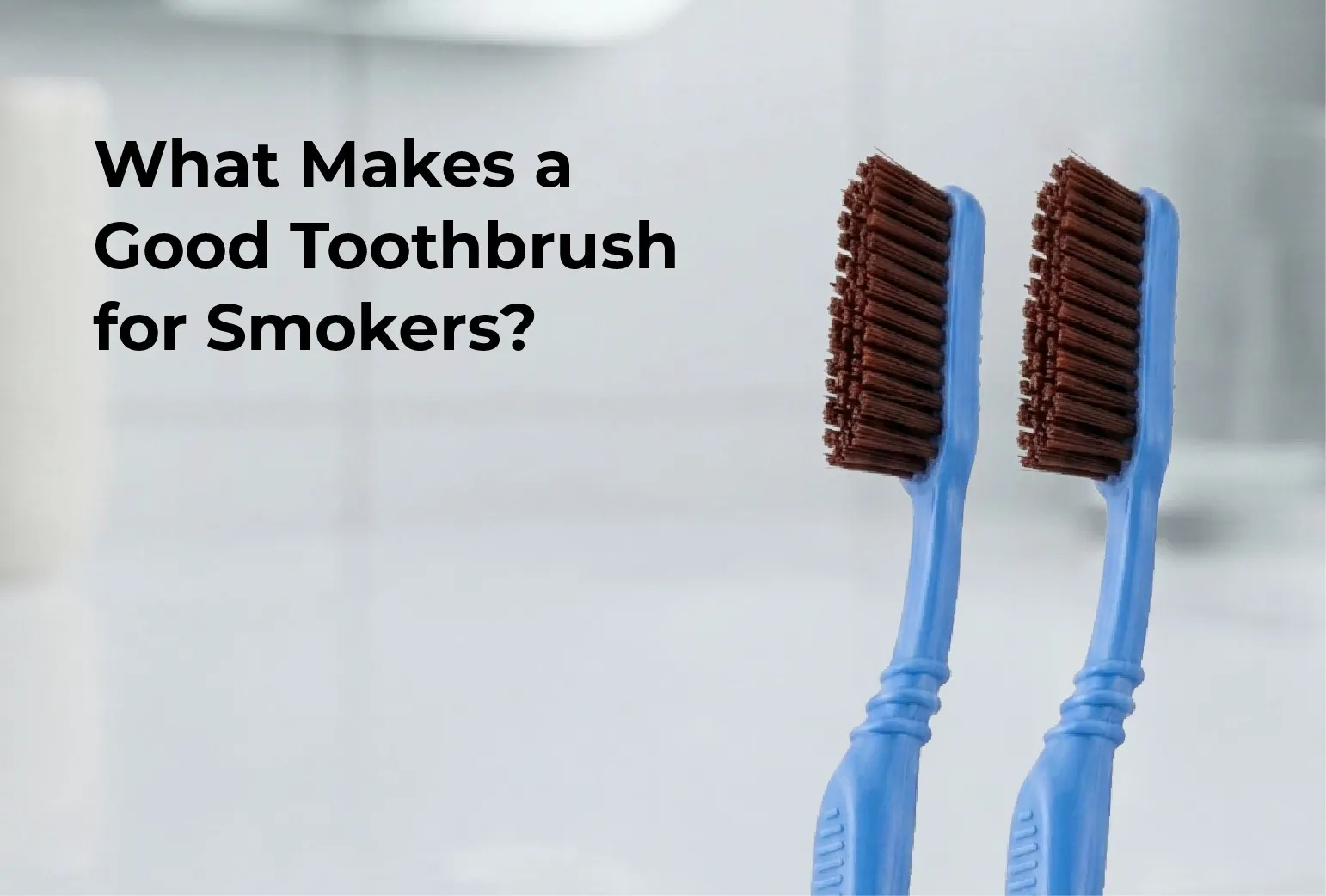
Choosing the best toothbrush for smokers involves understanding which features contribute to healthier oral hygiene over time. A good smoker's toothbrush should support plaque removal, stain management, breath freshness, and gum protection all at once.
One of the most important features is bristle quality. Many dentists recommend a soft toothbrush for smokers because soft bristles can clean without damaging enamel or irritating already sensitive gums. Smokers are often more prone to gum inflammation, making gentle but effective cleaning important.
Modern deep clean toothbrushes are designed with densely packed or multi-level bristles that reach difficult areas around the gum line and between teeth. This helps remove plaque more thoroughly in places where smoking-related buildup tends to occur most aggressively.
Brush head design also matters. A compact brush head often provides better access to hard-to-reach areas inside the mouth, allowing for more complete cleaning along the back teeth and gum margins.
For smokers struggling with persistent bad breath, a toothbrush with tongue cleaner functionality provides additional oral hygiene support. The textured cleaning surface helps remove bacteria and smoke residue from the tongue, contributing to fresher breath and a cleaner mouth overall.
Grip and handling comfort are just as important. A toothbrush that feels stable and comfortable encourages more controlled brushing movements, which improves cleaning efficiency without excessive force.
These design elements may appear small individually, but together they significantly improve the effectiveness of daily oral care for smokers.
Why Deep Cleaning Matters More for Smokers
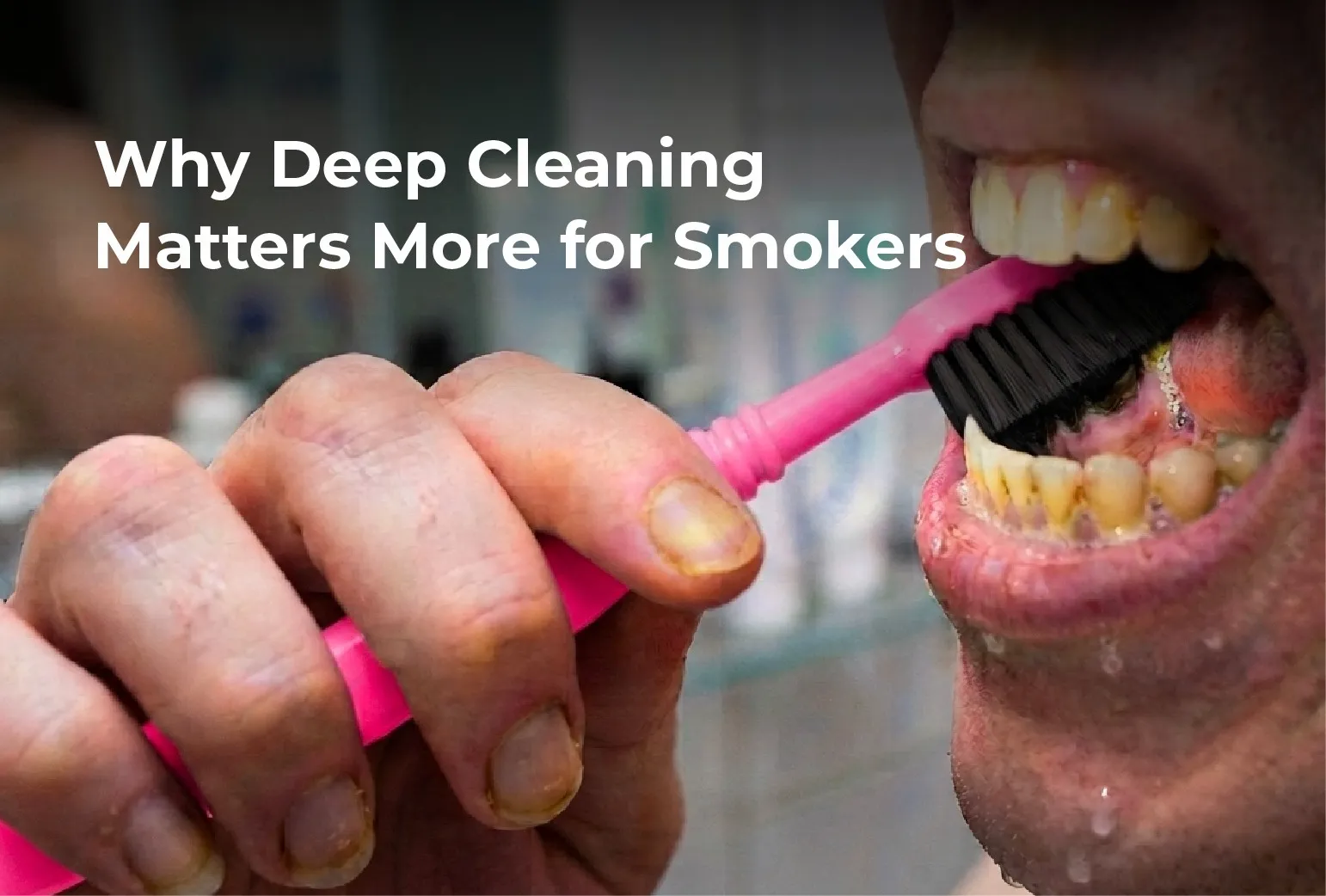
Smoking creates a level of oral buildup that often requires more than surface-level brushing. Plaque accumulates faster, bacteria multiply more aggressively, and stains attach more stubbornly to the enamel. This is why deep-clean toothbrushes are valuable for smokers.
A deep clean toothbrush is designed to remove plaque and debris across the entire mouth. Rather than focusing only on visible surfaces, it targets buildup along the gum line, between teeth, and around hard-to-reach areas where bacteria collect.
This deeper cleaning process becomes important because plaque is not a cosmetic issue. Over time, plaque hardens into tartar, which cannot be removed through ordinary brushing alone. Tartar buildup increases the risk of gum disease, tooth decay, and chronic bad breath.
For smokers, deep cleaning also supports stain management. While brushing cannot completely reverse years of tobacco staining overnight, consistent use of a high-quality toothbrush for plaque removal can gradually reduce surface discoloration and help maintain cleaner-looking teeth over time.
Another major benefit is improved breath freshness. Smoke residue often lingers inside the mouth long after smoking. Deep cleaning helps remove the bacteria and residue responsible for persistent oral odor, leaving the mouth feeling cleaner for longer periods.
The Overlooked Importance of Tongue Cleaning

One of the most neglected aspects of oral care for smokers is tongue cleaning. Many people focus entirely on brushing their teeth while ignoring the tongue, even though the tongue is one of the main areas where odor-causing bacteria collect.
The surface of the tongue contains tiny grooves and textures that easily trap smoke particles, bacteria, food debris, and dead cells. Over time, this buildup contributes to bad breath and poor oral hygiene.
Smoking makes this problem worse by drying out the mouth and encouraging bacterial growth. As bacteria multiply across the tongue surface, unpleasant breath becomes more difficult to manage even after brushing the teeth.
This is why many smokers benefit from using a toothbrush with tongue cleaner functionality. Cleaning the tongue regularly removes residue that ordinary brushing may leave behind and helps maintain fresher breath throughout the day.
Tongue cleaning may seem like a small addition to an oral care routine, but for smokers, it can make a noticeable difference in overall mouth freshness and hygiene.
Soft vs Hard Toothbrushes for Smokers
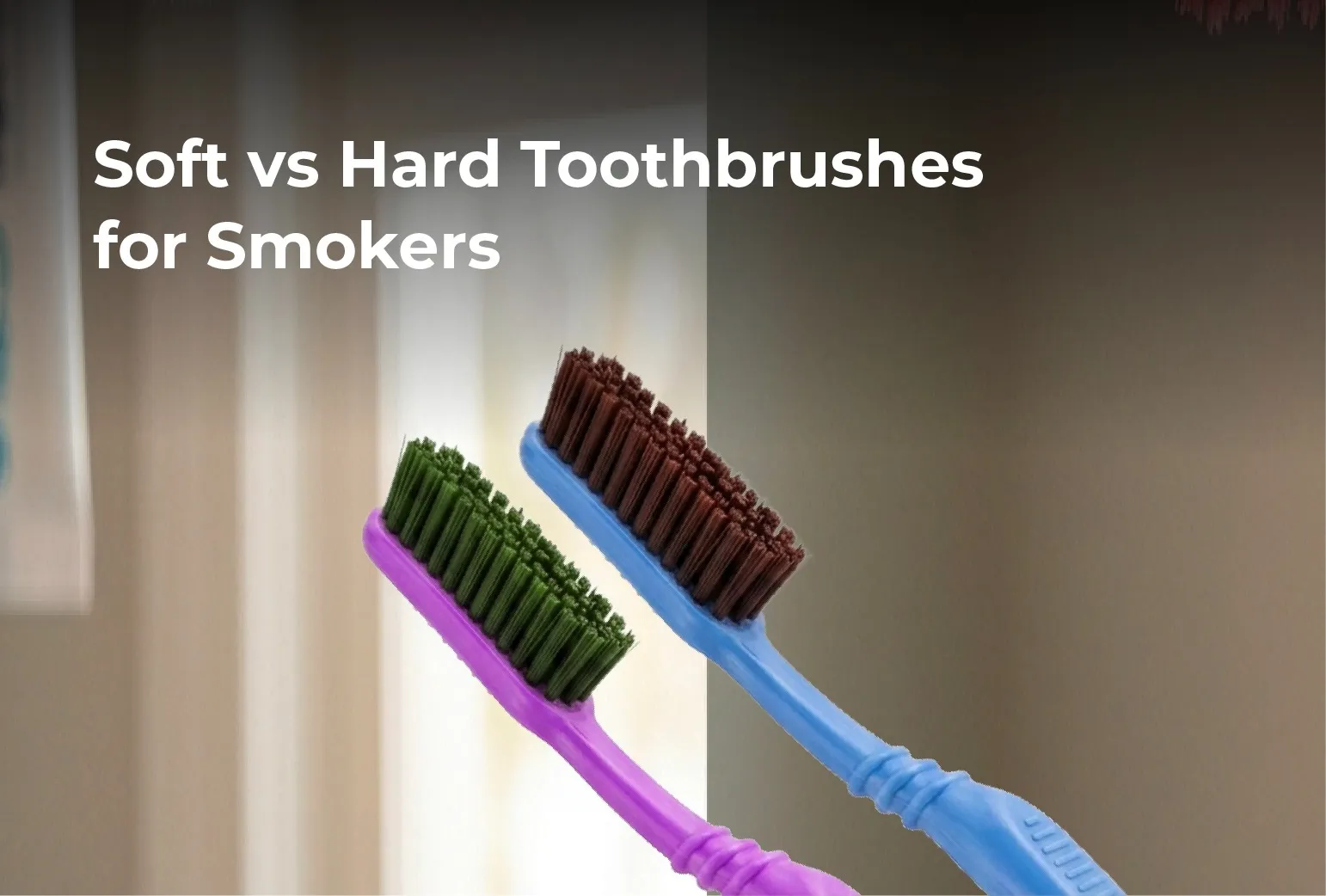
Many smokers believe that harder toothbrushes remove stains more effectively. While hard bristles may feel more powerful initially, they often create long-term problems when used aggressively.
Smoking already weakens the gums by reducing blood circulation and increasing inflammation. Brushing with hard bristles can worsen gum recession, irritate soft tissues, and gradually wear away enamel.
A soft toothbrush for smokers is the better option because it provides effective cleaning while remaining gentle on sensitive oral tissues. Modern soft-bristle toothbrushes are designed to remove plaque thoroughly without requiring excessive pressure. The effectiveness of brushing depends far more on technique and consistency than on bristle hardness alone. Controlled brushing movements combined with a high-quality deep clean toothbrush produce better results than aggressive scrubbing with hard bristles.
Protecting the gums and enamel is important for smokers because the mouth is already under increased stress from tobacco exposure.
Building a Better Oral Care Routine for Smokers

Maintaining strong oral hygiene as a smoker requires consistency and attention to detail. Brushing alone is important, but a complete oral care routine should address plaque control, gum health, tongue cleaning, and breath management together.
Brushing at least twice daily using a toothbrush for smokers helps reduce plaque accumulation before it hardens into tartar. Brushing should include all tooth surfaces, the gum line, and the tongue.
Flossing is important as plaque buildup often develops between teeth where toothbrush bristles cannot reach. Many smokers underestimate how much bacteria accumulate in these hidden areas.
Mouthwash can also support breath freshness and bacterial control throughout the day. Staying hydrated is another important habit because smoking contributes to dry mouth.
Regular dental checkups and professional cleanings remain essential for smokers because professional scaling removes tartar and deep stains that brushing alone cannot eliminate.
The goal of a strong oral hygiene routine is not perfection but consistency. Small daily habits compound over time and influence long-term oral health outcomes.
Common Mistakes Smokers Make With Oral Hygiene
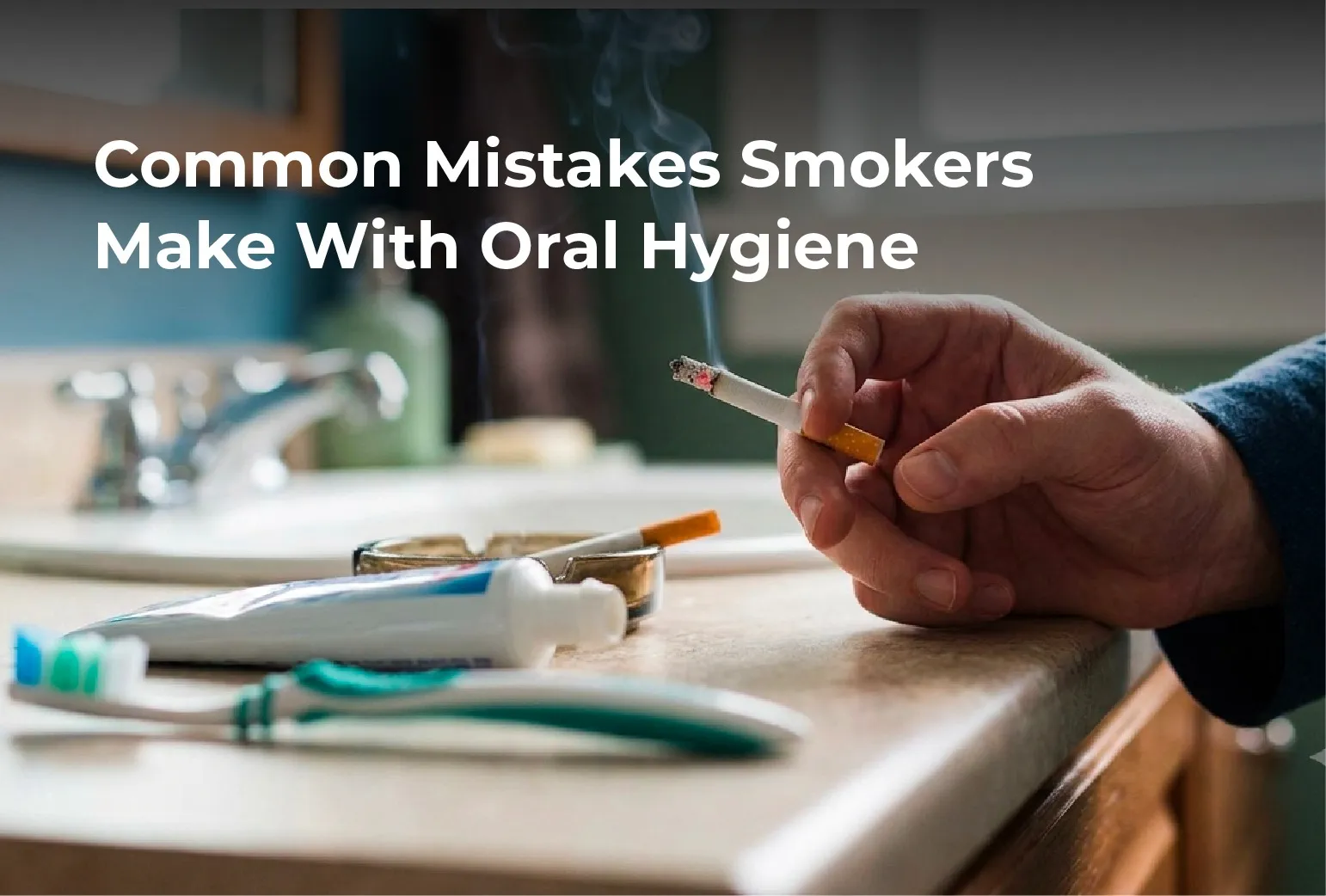
One of the biggest mistakes smokers make is brushing too aggressively in an attempt to remove stains quickly. This often damages the gums and enamel without improving stain removal significantly.
Another common mistake is ignoring tongue cleaning altogether. Even when the teeth appear clean, bacteria remaining on the tongue can continue causing unpleasant breath.
Using old or worn toothbrushes is another issue. Frayed bristles lose cleaning effectiveness and may harbor bacteria over time. Smokers should generally replace their toothbrushes every two to three months or sooner if the bristles begin wearing out.
Skipping flossing is also common among smokers, even though plaque buildup between teeth is one of the leading contributors to gum disease and oral odor.
Avoiding these mistakes can improve the effectiveness of daily oral care routines.
Why Proper Oral Hygiene Matters More for Smokers
For smokers, oral hygiene is not only about aesthetics. It directly affects comfort, confidence, gum health, and long-term dental stability. Smoking places the mouth under constant stress by increasing bacterial buildup, reducing saliva flow, and weakening gum tissues. Without proper oral care, these effects gradually accumulate and increase the risk of serious dental complications over time.
Maintaining good oral hygiene helps reduce plaque buildup, improve breath freshness, manage stains, and support healthier gums despite the effects of smoking.
While quitting smoking remains the most effective way to improve oral health completely, consistent oral hygiene can still significantly reduce many of the common oral problems associated with tobacco use.
Smoking affects every part of the oral environment, from the teeth and gums to the tongue and breath. Over time, tobacco exposure contributes to plaque buildup, discoloration, dry mouth, gum irritation, and persistent bad breath, making proper oral care more important than ever. Choosing the best toothbrush for smokers supports healthier daily hygiene habits that improve plaque removal, protect the gums, maintain fresher breath, and promote better overall oral health.
At Quantum Consumer Nigeria, we believe effective oral care begins with high-quality products designed to support healthier routines every day. Through consistent brushing, better oral hygiene habits, and the right toothbrush, smokers can maintain cleaner teeth, healthier gums, and greater confidence in their oral health over time.
Frequently Asked Questions

The best toothbrush for smokers is typically a deep clean toothbrush with soft bristles, effective plaque removal capability, and a tongue cleaner for fresher breath.
Yes. Smoking can lead to tooth discoloration, gum disease, plaque buildup, enamel damage, bad breath, and long-term oral health complications.
Hard toothbrushes are generally not recommended because they may damage enamel and irritate the gums. Soft toothbrushes usually provide safer and more effective cleaning.
Smokers can reduce bad breath through regular brushing, tongue cleaning, flossing, hydration, and consistent oral hygiene practices.
Smokers should replace their toothbrush every two to three months or sooner if the bristles become worn or frayed.
Tongue cleaning removes bacteria, smoke residue, and odor-causing particles that contribute to bad breath and poor oral hygiene.
Looking for a reliable toothbrush manufacturer in Nigeria?
Partner with a trusted wholesale toothbrush supplier in Nigeria for consistent quality, competitive pricing, and fast delivery.