


How Packaging Impacts Product Sales: Psychology Behind Buying Decisions
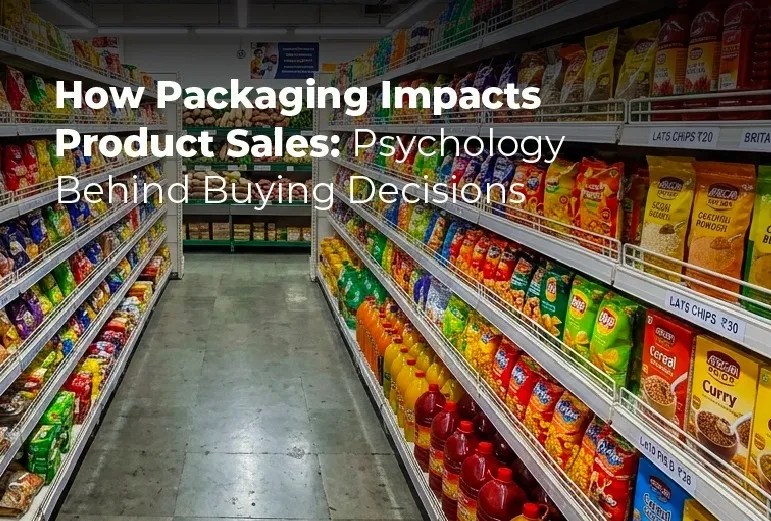
Packaging is often treated as a final step in product development, something functional, necessary, but ultimately secondary. In reality, it is one of the most decisive factors in determining whether a product succeeds or fails in the market. Long before a customer evaluates features, compares prices, or reads product descriptions, they encounter the packaging. That encounter, brief as it may be, instantly shapes perception.
In highly competitive environments, where consumers are overwhelmed with choice, attention is the most valuable currency. Packaging serves as the gateway to that attention, influencing whether and how a product is noticed, considered, and ultimately purchased.
The critical point is this: Consumers rarely make buying decisions based solely on logic. Instead, subconscious impressions and emotional responses play a significant role in shaping purchasing behavior. Within seconds, packaging communicates quality, value, trust, and brand identity, answering the unspoken question every customer asks: Is this product worth my attention?
Why Packaging Matters in Consumer Psychology
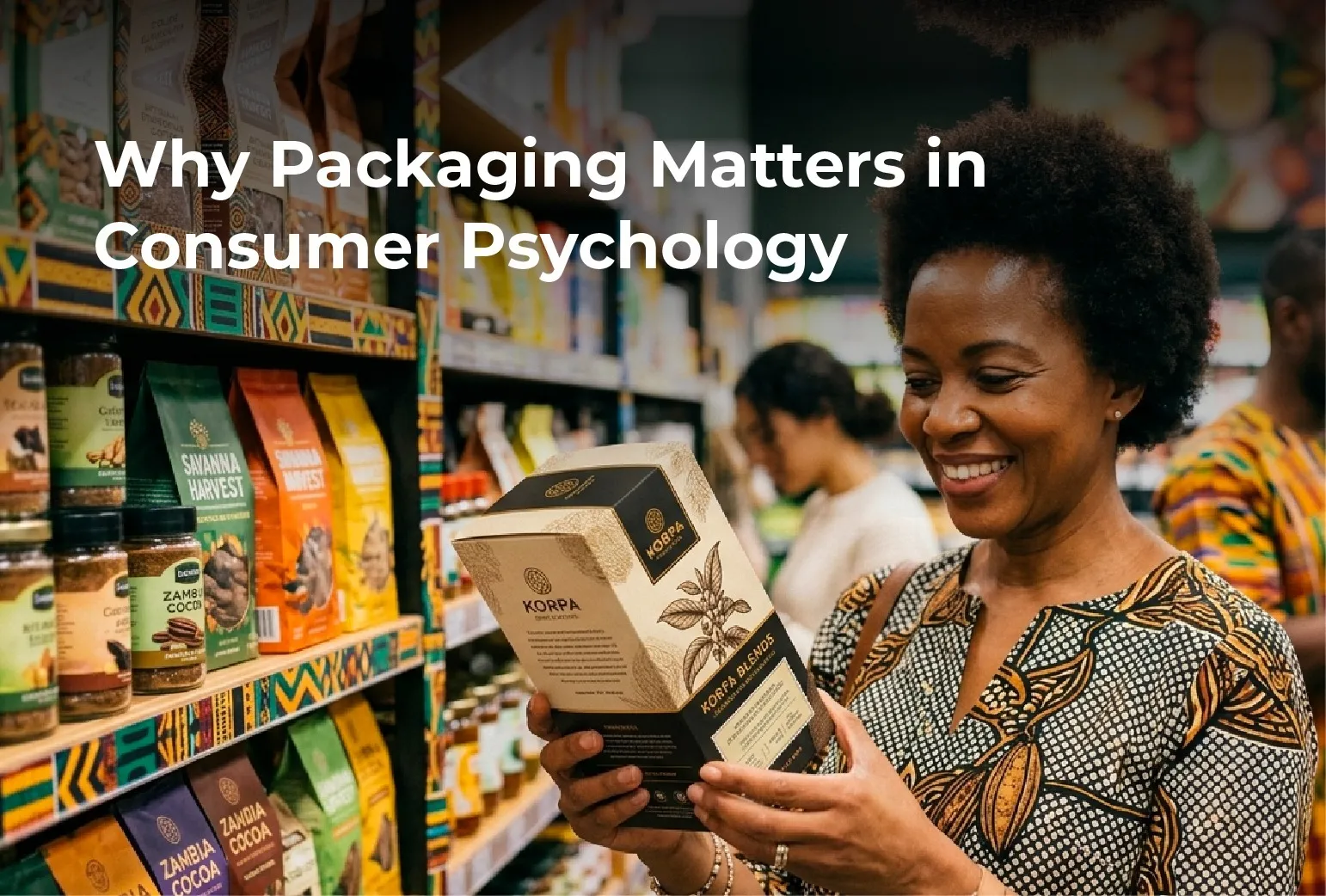
To understand the power of packaging, it is necessary to take a look at how consumers make decisions. Most purchasing behavior is guided by cognitive shortcuts and rapid judgments formed with limited information. Packaging fills that gap. It becomes the primary source of meaning when the product itself cannot be immediately evaluated.
In this sense, packaging functions as a silent salesman as it communicates continuously. Through design, structure, and presentation, it signals what the product represents. A well-designed package conveys competence and reliability, while a poorly executed one introduces doubt before the product is even used.
This dynamic is rooted in perception. Consumers instinctively associate external presentation with internal quality. A product encased in thoughtful, high-quality packaging is assumed to be superior. This is not always rational, but it is consistently observable.
Beyond perception, packaging also influences emotion. Color, material, and composition trigger responses that shape how a product feels before it is experienced. At the same time, packaging serves a rational function by providing information about what the product is, what it does, and why it matters. The most effective packaging operates at the intersection of these emotional and rational cues, creating a sense of alignment between what the consumer feels and what they understand.
First Impression: The 7-Second Rule
The speed at which consumers form judgments cannot be overstated. Within a matter of seconds or less, consumers decide whether or not a product deserves further attention. This moment is defined almost entirely by packaging.
What is commonly referred to as the "7-second rule" captures this phenomenon, though in practice, the window is often even narrower. In retail environments, where shelves are crowded and consumer attention is fragmented, packaging must work instantly. It must attract, communicate, and persuade in one continuous motion.
The first challenge is visibility. A product must stand out enough to interrupt the consumer's scanning behavior. This does not always mean being louder or more colorful. In many cases, simplicity creates a stronger contrast. A minimalist design can cut through visual noise more effectively than an overly complex one.
Once attention is captured, clarity becomes essential. The consumer should not have to interpret or decode the packaging. The product's identity and purpose must be immediately obvious. When this clarity is missing, the product is quickly dismissed.
Finally, the overall aesthetic, often driven by design, color, and finish, shapes the perceived value. Subtle details such as texture, weight, and surface treatment reinforce the initial impression. Together, these elements determine whether the consumer moves closer to the product or moves on.
Color Psychology in Packaging
Color operates at a level that precedes conscious thought. It is one of the fastest ways to influence perception and emotion, making it a critical component of packaging design.
Different colors carry established associations. Red evokes urgency and energy, often stimulating impulsive decisions. Blue communicates trust and stability, making it a common choice for products that require credibility. Green signals natural and eco-friendly qualities, while black conveys sophistication and premium positioning.
However, the effectiveness of color is not determined by these associations alone. Context plays a defining role. The same color can communicate different meanings depending on the category, the audience, and the competitive landscape.
Successful brands use color with intention. They align it with their positioning while ensuring it resonates with consumer expectations. At the same time, they use it as a tool for differentiation in order to stand out without creating confusion.
Over time, consistent use of color strengthens brand recognition. Consumers begin to associate specific hues with specific products, reducing the effort required to make a decision. In this way, color becomes an aesthetic choice and a strategic asset.
Typography And Design Impact
If color captures attention, typography and layout sustain it. They determine how information is processed and how the brand is interpreted.
Typography carries meaning beyond the words it forms. A clean, modern typeface suggests efficiency and innovation, while a more traditional font may evoke heritage and authority. These signals influence how the product is perceived before any claims are evaluated.
Equally important is the overall structure of the design. Packaging that is visually organized allows consumers to navigate information effortlessly. The hierarchy of elements, what is seen first, second, and third, guides understanding.
Clarity is the underlying principle. When packaging is cluttered, the consumer is forced to work harder to extract meaning. This added effort creates friction, and friction reduces the likelihood of purchase. In contrast, a well-structured design feels intuitive. It reduces cognitive load and increases confidence. Readability, therefore, is not a minor detail, but a fundamental requirement. Packaging must communicate quickly, and that requires precision in both typography and layout.
Packaging And Perceived Product Value
One of the most significant ways packaging influences product sales is through its impact on perceived value. Consumers rarely evaluate products based on objective criteria alone. Instead, they interpret value through cues, and packaging provides some of the most powerful of these cues.
Premium packaging creates an expectation of premium quality. This expectation allows brands to position their products at higher price points without resistance. The materials, structure, and finishing details all contribute to this perception.
Conversely, packaging that feels cheap or inconsistent undermines value. Even when the product itself is of high quality, poor packaging introduces doubt. It suggests a lack of care, which consumers often interpret as a lack of reliability.
In recent years, the concept of value has expanded to include experience. The unboxing moment has become a meaningful part of the consumer journey, particularly in e-commerce. Packaging that is thoughtfully designed to create a sense of anticipation and satisfaction extends the product experience beyond its functional use. This is where packaging transitions from being a cost center to a value driver.
Trust And Brand Recognition

Trust is not built through a single interaction. It develops over time through consistency. Packaging plays a central role in this process by providing a stable and recognizable visual identity. When consumers repeatedly encounter the same design elements such as colors, typography, and layout, they begin to form associations. These associations create familiarity, and familiarity reduces uncertainty. In a marketplace filled with options, this reduction in uncertainty is a powerful advantage.
Brand recognition simplifies decision-making. A consumer who recognizes a product does not need to evaluate it from scratch. The decision becomes quicker, more intuitive, and more likely to result in a purchase. This is particularly important in competitive categories, where differentiation is difficult. Consistent packaging allows a brand to maintain visibility and relevance, even as new competitors enter the market.
Packaging for Modern Consumers
The role of packaging has expanded significantly with changes in consumer behavior. Today's consumers do not just buy products, they interact with them, share them, and evaluate them in broader contexts.
Social media has transformed packaging into a form of content. Visually appealing products are more likely to be photographed and shared, creating organic exposure. This has led to the rise of "Instagram-worthy" packaging, where design is optimized not just for shelves, but for screens.
E-commerce has introduced new expectations. Packaging must now perform well in transit, ensuring the product arrives intact while also delivering a positive unboxing experience. The first physical interaction a customer has with an online purchase is the packaging, making it a critical touchpoint.
Sustainability has also become a defining factor. Consumers are increasingly aware of environmental impact, and packaging choices influence their perception of a brand's responsibility. Materials, recyclability, and waste reduction are no longer optional considerations, as they are part of the decision-making process.
How Packaging Influences Buying Decisions (Real Examples)
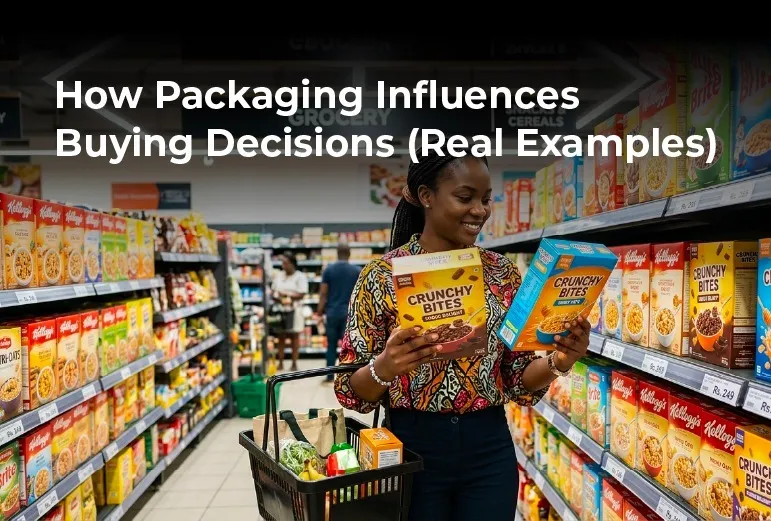
The influence of packaging becomes most evident when comparing similar products.
A premium product placed next to a generic alternative often commands attention, even at a higher price point. The difference lies not in functionality, but in perception. Premium packaging signals quality and reliability, making the choice feel justified.
Similarly, minimalist packaging often outperforms overly complex designs. Where clutter creates confusion, simplicity creates clarity. Consumers are naturally drawn to products that feel intentional, refined, and easy to understand.
Common Packaging Mistakes That Hurt Sales
Despite its importance, packaging is frequently undermined by avoidable mistakes. Designs that attempt to communicate too much often end up communicating nothing. Poor material choices weaken perceived value, while inconsistent branding reduces recognition.
Perhaps the most damaging mistake is misalignment between the packaging and the product it represents. When packaging does not accurately reflect the product, it creates a disconnect that erodes trust. Once trust is lost, it becomes difficult to recover. Each of these issues introduces friction into the buying process, and in a competitive market, even small amounts of friction can have significant consequences.
Tips to Create High-Converting Packaging
Effective packaging is the result of deliberate decisions rather than aesthetic preference. It begins with clarity, ensuring the product and its value are immediately understood. From there, it requires a deep understanding of the target audience, as packaging must resonate with their expectations and preferences.
Quality, both in material and execution, reinforces perception. At the same time, key product benefits must be communicated clearly, guiding the consumer toward a decision. Consistency ties everything together. When packaging aligns across products and touchpoints, it strengthens brand identity and builds trust over time.
Packaging is one of the most powerful yet underutilized drivers of product sales. It shapes first impressions, influences perception, and guides decision-making at both conscious and subconscious levels. In a marketplace defined by choice and speed, packaging often determines whether a product is considered at all. Businesses that recognize this and invest in thoughtful, strategic packaging gain a measurable advantage.
Ultimately, packaging does more than contain a product. It defines how that product is seen, understood, and chosen.
Frequently Asked Questions
Yes. Packaging influences perception, trust, and emotional response, all of which directly impact purchasing behavior.
Packaging that is clear, visually appealing, and aligned with consumer expectations tends to perform best.
By enhancing perceived quality, reinforcing brand identity, and creating a consistent customer experience.
Not necessarily. Strategic design and thoughtful execution are more important than high packaging costs.
Colors such as red, blue, green, and black are commonly effective, but their success depends on the product category, target audience, context, and brand positioning.
Looking for high-quality corrugated boxes in Lagos?
Partner with a trusted carton box manufacturer for durable, cost-effective, and custom packaging solutions for your business.