


How to Choose the Right Steel for Your Construction Project in Nigeria
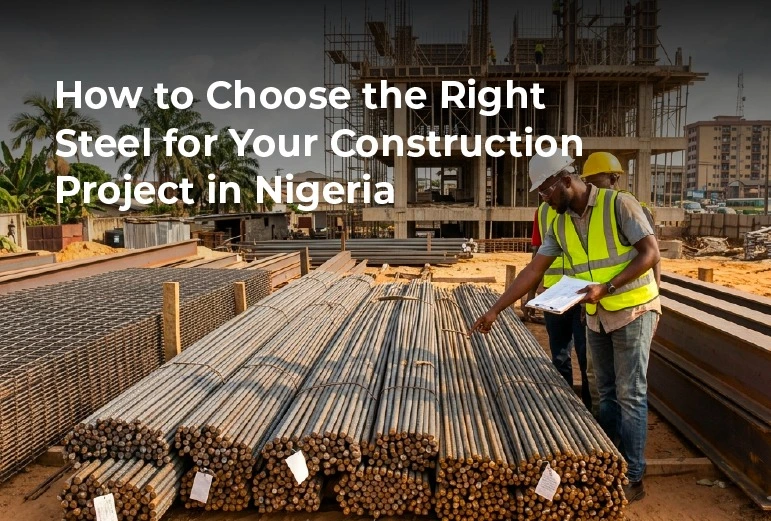
Nigeria's construction industry is expanding at a pace few sectors can match. Across the country, residential estates, commercial developments, industrial facilities, highways, bridges, power infrastructure, and manufacturing plants are reshaping the built environment. As investment grows, expectations around structural quality, safety, and longevity have also increased. Every successful project begins with sound engineering, but engineering is only as reliable as the materials that bring those designs to life.
Steel sits at the centre of modern construction because it provides the strength, flexibility, and durability required to support structures that must perform for decades.
As a steel supplier and manufacturer in Lagos, we have worked with contractors, engineers, developers, and manufacturers across Nigeria, and one lesson remains consistent: choosing steel based solely on price almost always leads to greater costs later. Material quality affects structural integrity, maintenance requirements, construction timelines, and the long-term value of the completed asset.
This guide explains how to evaluate construction steel properly, the differences between common steel products, the factors that determine quality, and why partnering with an experienced manufacturer contributes to better project outcomes.
Why Choosing the Right Steel Matters
Steel is not a commodity where every product delivers identical performance. Manufacturing processes, raw material quality, dimensional accuracy and compliance with recognised standards all influence how steel behaves once incorporated into a structure.
Structural strength is the first consideration. Buildings, bridges and industrial facilities rely on steel that consistently performs under designed loads. Steel that fails to meet specification can compromise foundations, columns, beams and reinforced concrete elements, creating unnecessary structural risks throughout the project.
Durability is equally important. Construction projects in Nigeria must withstand heavy rainfall, high humidity, coastal conditions, fluctuating temperatures and, in some regions, aggressive industrial environments. High-quality steel maintains its performance despite these conditions, while lower-grade alternatives may deteriorate much sooner.
Corrosion resistance also has significant financial implications. Corrosion weakens structural members, increases maintenance costs, and shortens the lifespan of infrastructure. Selecting steel manufactured to recognised quality standards and applying appropriate protective treatments where necessary reduces these risks considerably.
Material quality also influences construction costs beyond the purchase price. Consistent dimensions simplify fabrication and installation, minimise material waste, and reduce delays caused by defective products. Projects that begin with quality steel typically experience fewer maintenance interventions, lower repair costs, and greater operational reliability over time.
For developers, contractors, and consultants, working with an experienced steel supplier & manufacturer in Lagos provides greater confidence that every delivery meets the specifications required for safe construction.
Different Types of Steel Used in Construction
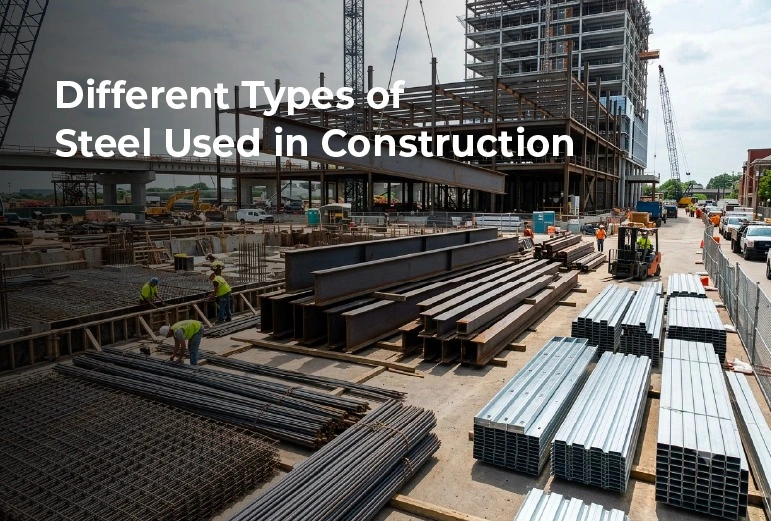
Construction projects rarely depend on a single steel product. Each application demands specific mechanical properties, manufacturing standards, and performance characteristics.
Reinforcement Steel (Rebars)
Reinforcement steel forms the backbone of reinforced concrete construction. Concrete performs exceptionally well under compression but has limited tensile strength. Reinforcement bars compensate for this limitation by absorbing tensile forces, enabling buildings and infrastructure to withstand significant structural loads.
Rebars are widely used in residential developments, commercial buildings, bridges, schools, hospitals, and public infrastructure throughout Nigeria. The grade of reinforcement steel directly impacts crack resistance, structural stability, and overall lifespan of the building.
High-quality rebars offer consistent yield strength, dimensional accuracy, and reliable bonding with concrete. Poor-quality reinforcement bars may exhibit inconsistent strength or manufacturing defects, which reduce structural performance and increase long-term maintenance requirements.
Structural Steel
Structural steel provides the primary framework for many modern developments. Warehouses, manufacturing plants, shopping centres, airports, high-rise buildings, and logistics facilities frequently depend on fabricated structural sections to create large, open spaces with excellent load-bearing capacity.
Compared with conventional reinforced concrete construction, structural steel often enables faster project delivery while reducing overall building weight. It also provides greater flexibility for future expansion, making it particularly valuable for industrial and commercial developments.
Selecting structural steel manufactured to recognised engineering standards ensures reliable welding performance, dimensional consistency and predictable behaviour under design loads.
Steel Pipes
Steel pipes serve critical functions across numerous industries beyond conventional building construction. As a leading steel pipe manufacturer in Nigeria, customers trust us for quality and consistency. We understand that pipe selection depends on operating pressure, transported materials, and environmental conditions.
Steel pipes support water distribution systems, municipal infrastructure, oil and gas operations, industrial processing plants, fire protection networks, and mechanical services within commercial buildings.
For infrastructure projects, selecting an experienced steel pipe supplier in Nigeria that organisations can rely on ensures that pipe dimensions, wall thickness, pressure ratings, and material quality meet project specifications. This reduces installation challenges while improving long-term system reliability.
Factors to Consider Before Buying Steel
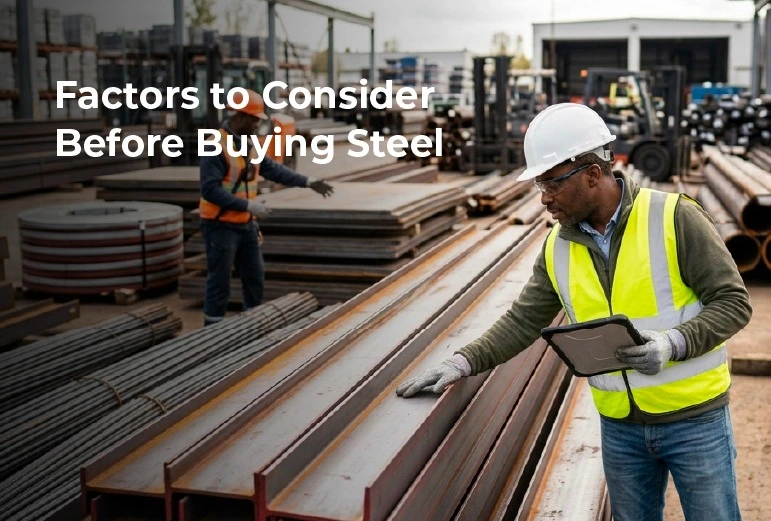
Selecting construction steel should always involve technical evaluation rather than purchasing decisions based solely on availability or price.
Quality standards provide the first indication of manufacturing reliability. Reputable manufacturers produce steel in accordance with recognised Nigerian and international specifications, supported by quality control systems that verify chemical composition, mechanical strength and dimensional accuracy throughout production. Certification gives engineers and contractors confidence that supplied materials meet required performance standards.
Strength requirements vary significantly between projects. Residential housing, multi-storey commercial developments, bridges, industrial plants, and heavy infrastructure each impose different structural demands. Engineers determine appropriate steel grades based on design calculations, expected loads, and applicable building codes. Purchasing steel that does not match those specifications introduces unnecessary engineering risks.
Corrosion resistance deserves careful consideration, particularly in Nigeria's coastal regions and industrial environments. Galvanised steel and appropriately coated products offer additional protection where structures will experience prolonged exposure to moisture, chemicals, or marine conditions. Selecting corrosion-resistant products at the construction stage often reduces the maintenance expenditure throughout the life of the asset.
Reliable material availability also affects project performance. Construction delays frequently occur when suppliers cannot maintain consistent inventory or fulfil scheduled deliveries. Manufacturers with established production capacity and efficient logistics networks help contractors maintain project schedules while reducing procurement uncertainty.
Budget remains an important factor, but value should always take precedence over the lowest purchase price. Lower-cost steel that requires replacement, repairs or corrective work ultimately increases total project expenditure. Investing in certified products from established manufacturers delivers stronger long-term financial returns through improved durability and reduced maintenance.
Why Work with a Reliable Steel Supplier & Manufacturer in Lagos
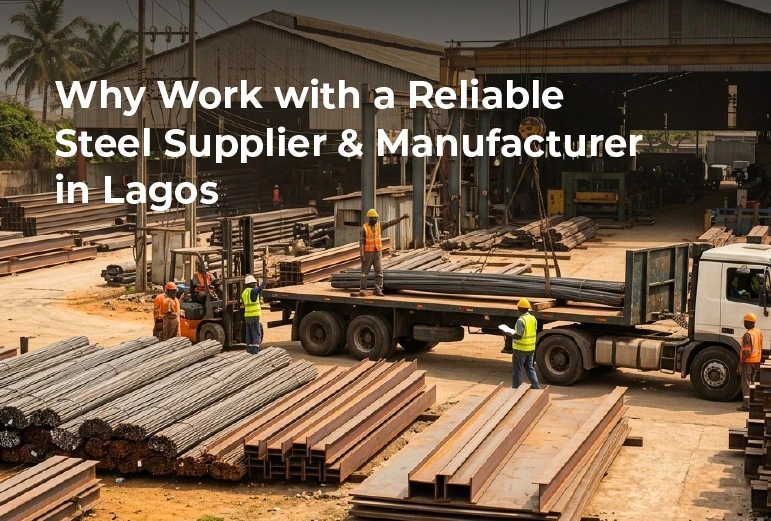
Selecting the right manufacturing partner is as important as selecting the right material.
Reliable manufacturers maintain consistent production processes that deliver uniform quality across every batch. Contractors and engineers depend on this consistency because structural calculations assume predictable material performance. Variations in strength or dimensions create unnecessary complications during fabrication and installation.
Competitive pricing should reflect manufacturing efficiency rather than compromised quality. Established producers invest in production technology, quality assurance, and operational improvements that enable them to deliver dependable products while remaining commercially competitive.
Technical expertise also distinguishes experienced manufacturers from suppliers that distribute imported products. Engineering support assists customers in selecting appropriate grades, understanding product specifications, and resolving technical questions before construction begins. This collaboration reduces procurement errors and improves project outcomes.
Delivery capability remains another critical consideration. Construction schedules depend on materials arriving when required. Manufacturers with efficient logistics systems support projects throughout Lagos and across Nigeria, helping contractors maintain productivity while avoiding costly delays.
Product range also matters. Projects frequently require reinforcement bars, structural sections, steel pipes, and fabricated products within the same procurement cycle. Working with one of the leading steel suppliers in Lagos simplifies sourcing, improves quality consistency, and reduces supply chain complexity.
At Quantum Steels Nigeria Limited, our approach extends beyond supplying steel products. We work alongside developers, contractors, engineers, and industrial organisations to ensure every project receives materials manufactured to recognised quality standards, delivered on schedule, and supported by technical knowledge developed through years of industry experience.
Questions to Ask Before Choosing a Steel Supplier
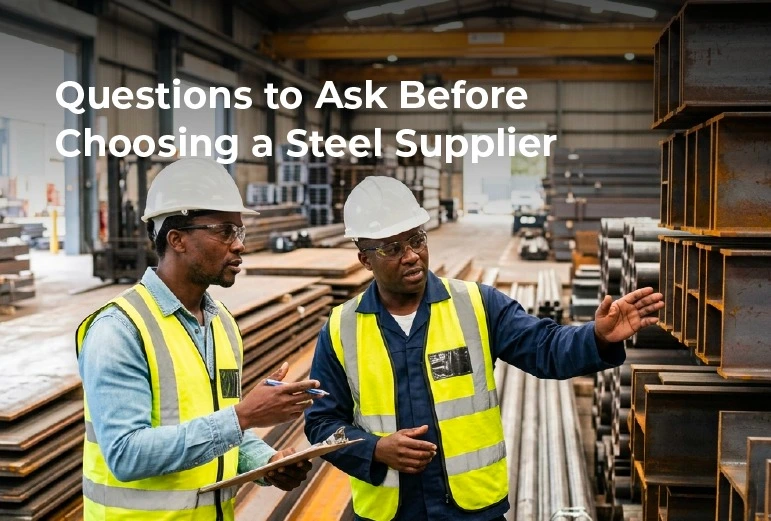
The relationship between a construction company and its steel supplier often continues throughout the multiple phases of a project. Choosing the right partner, therefore, requires more than comparing quotations.
Contractors should establish whether products are manufactured to recognised quality standards and supported by appropriate certification. They should understand whether production takes place locally, since domestic manufacturing often improves product availability, delivery timelines and after-sales support.
Capacity also deserves attention. Large infrastructure and industrial projects require suppliers capable of maintaining consistent production volumes throughout extended construction programmes without compromising quality.
Industry experience provides additional assurance. Manufacturers serving construction, manufacturing, oil and gas, infrastructure and industrial sectors generally possess broader technical knowledge and stronger quality management systems.
Delivery capability should extend beyond Lagos. National projects require dependable logistics that ensure materials arrive safely and according to the construction schedules, regardless of project location.
Finally, technical support should remain available throughout procurement and installation. Experienced manufacturers understand product applications, material specifications, and engineering considerations, allowing them to assist customers in making informed purchasing decisions.
Benefits of High-Quality Steel
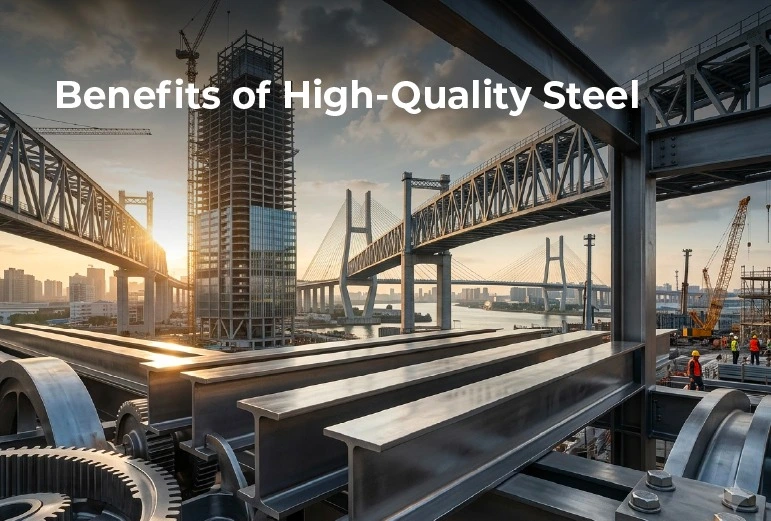
Quality steel delivers measurable value throughout the operational life of a structure.
Longer service life remains one of its greatest advantages. Buildings and infrastructure constructed with certified steel retain their structural performance for decades when properly designed and maintained.
Superior mechanical properties also improve structural performance under varying loading conditions. Reliable steel contributes to stronger foundations, safer buildings and more resilient infrastructure capable of supporting growing urban populations and industrial expansion.
Maintenance costs decrease because quality steel resists premature deterioration, corrosion, and material failure. Owners spend less on repairs, replacements, and operational disruptions, reducing lifecycle costs across the asset.
Safety also improves significantly. Structures built with certified materials perform more predictably under design loads, protecting occupants, equipment and surrounding communities.
For investors and developers, these benefits translate into stronger long-term returns. Higher-quality construction attracts greater market confidence while preserving asset value throughout its operational lifespan.
Industries That Require Quality Steel
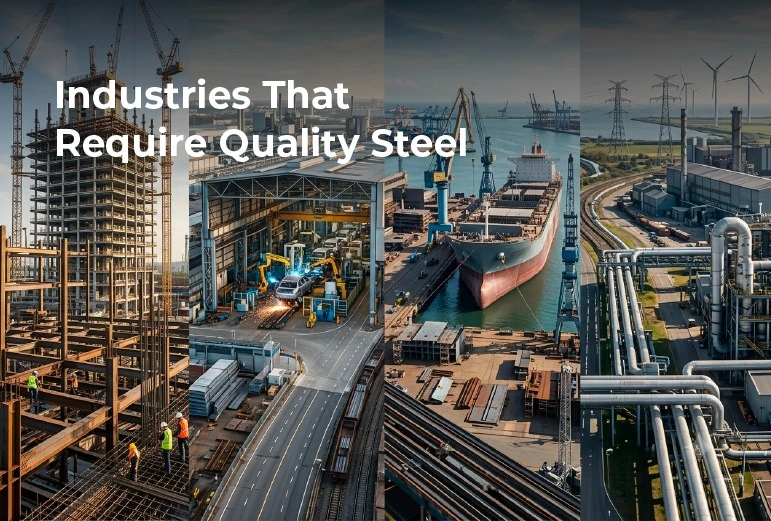
Construction remains the largest consumer of steel in Nigeria, but demand extends across numerous sectors, driving national economic development.
Residential housing developments, multi-storey commercial towers, and infrastructure projects including bridges, roads, rail systems and water distribution networks rely on durable steel designed for decades of service.
Manufacturing facilities rely on structural steel, process equipment, and industrial piping to support continuous production operations.
Oil and gas companies require steel products that are capable of operating safely under demanding environmental and high-pressure conditions.
Transportation infrastructure uses steel extensively in terminals, maintenance facilities, logistics centres and supporting transit structures.
Agricultural processing plants depend on steel for grain silos, storage sheds, fabrication, and agro-allied equipment manufacturing.
Power generation and energy distribution projects depend on high-quality steel products to ensure the stability and safety of critical national infrastructure.
Across these industries, material quality directly influences operational safety, maintenance requirements and long-term investment performance.
Why Nigeria's Construction Industry Depends on Reliable Steel Manufacturers
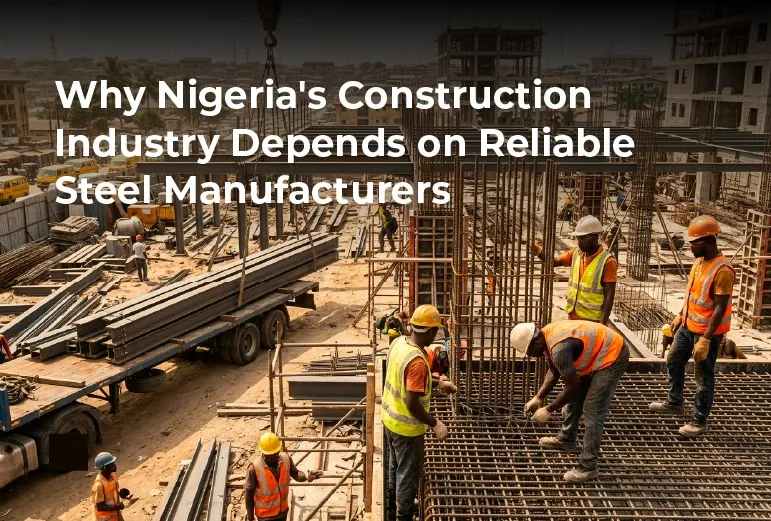
Nigeria's urban population continues to expand, creating sustained demand for housing, commercial developments, transportation infrastructure and industrial facilities. Government investment in roads, bridges, rail networks, ports and energy infrastructure has further increased the need for dependable construction materials.
Private sector investment is following the same trajectory. Manufacturers continue expanding production capacity, logistics companies require larger warehousing facilities, and property developers are responding to growing demand for residential and mixed-use developments.
Meeting these requirements depends on manufacturers capable of supplying certified steel products consistently and at scale. Reliable domestic production strengthens supply chains, reduces procurement uncertainty and supports faster project delivery across the country.
The same principle applies to pipeline infrastructure. Selecting a reputable steel pipe company in Nigeria ensures critical water, industrial, and energy systems operate safely while meeting the performance expectations of engineers, regulators, and project owners.
As Nigeria continues investing in industrialisation and infrastructure, dependable steel manufacturing will remain fundamental to sustainable national development.
Tips for Long-Term Steel Performance
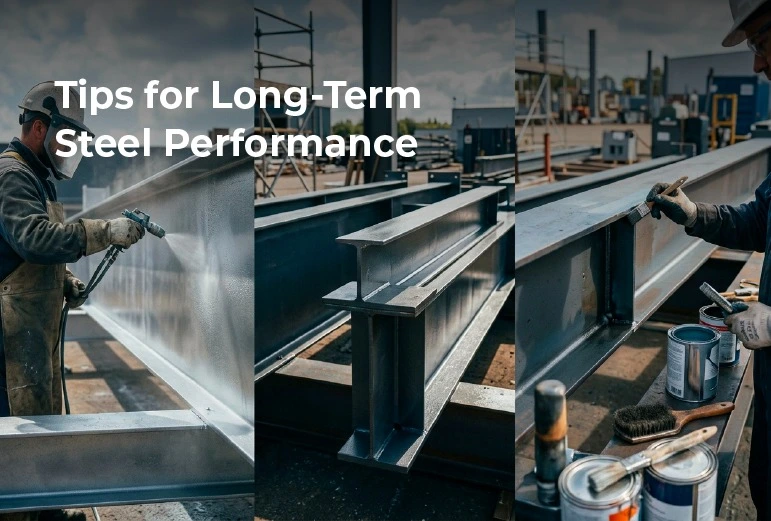
Even the highest-quality steel performs best when supported by proper handling and maintenance throughout its service life.
Steel should be stored in dry environments where prolonged exposure to moisture is minimised before installation. Appropriate storage protects product quality and reduces the likelihood of surface corrosion before construction begins.
Installation should always follow approved engineering specifications and recognised construction practices. Proper fabrication, welding and assembly preserve the structural characteristics intended during design.
Routine inspections allow owners to identify early signs of corrosion, coating deterioration or mechanical damage before they develop into larger maintenance concerns. Preventive maintenance is significantly more cost-effective than corrective structural repairs.
Protective coatings should be maintained where environmental exposure requires additional corrosion resistance. Coastal regions, industrial facilities and chemical processing environments often benefit from scheduled coating inspections and maintenance programmes that extend structural lifespan.
These practices help preserve structural integrity while maximising the value delivered by quality steel over many years of operation.
Selecting steel for a construction project should never be reduced to a pricing exercise. The right material influences structural safety, project efficiency, maintenance costs and the long-term performance of every building or infrastructure asset. Understanding the differences between steel products, evaluating manufacturing quality and working with experienced suppliers enables contractors, engineers and developers to make decisions that protect both their investment and the people who rely on the completed structure.
We recognise that every project carries unique engineering requirements. As a trusted steel supplier & manufacturer in Lagos, we provide certified steel products, dependable manufacturing, nationwide delivery, and technical support that helps customers build with confidence. Whether your project requires reinforcement steel, structural steel, or high-performance steel pipes, choosing a reliable manufacturing partner ensures your investment is supported by quality materials designed to perform for decades.
Frequently Asked Questions (FAQ)
Selecting the right steel ensures structural safety, load-bearing capacity, and longevity under Nigeria's demanding environmental conditions such as high humidity and rainfall. Quality certified steel prevents premature corrosion, eliminates structural risks, and lowers lifecycle maintenance costs.
Construction projects primarily depend on reinforcement steel (rebars) for absorbing tensile loads in concrete, structural steel sections for large-span frameworks and buildings, and industrial steel pipes for fluid conveyance, plumbing, and mechanical services.
Evaluate steel suppliers based on verified quality certifications, consistent manufacturing processes, domestic production capacity, reliable nationwide delivery logistics, and dedicated technical engineering support.
Lower-priced steel often suffers from dimensional inaccuracies, inconsistent yield strength, or subpar corrosion resistance. These defects lead to material waste, installation delays, premature structural repairs, and greater total project expenditure over time.
Certified quality steel is required across residential and commercial construction, industrial manufacturing, oil and gas operations, transportation infrastructure, municipal public works, agriculture, and energy distribution networks.
Build Stronger Structures with Quantum Steels
Selecting the right steel is one of the most important decisions in any construction project. Quantum Steels provides certified reinforcement steel, structural steel, and high-performance steel pipes engineered to perform for decades across Nigeria.