


How to Choose the Right Toothbrush for Different Age Groups (Kids, Adults & Seniors)
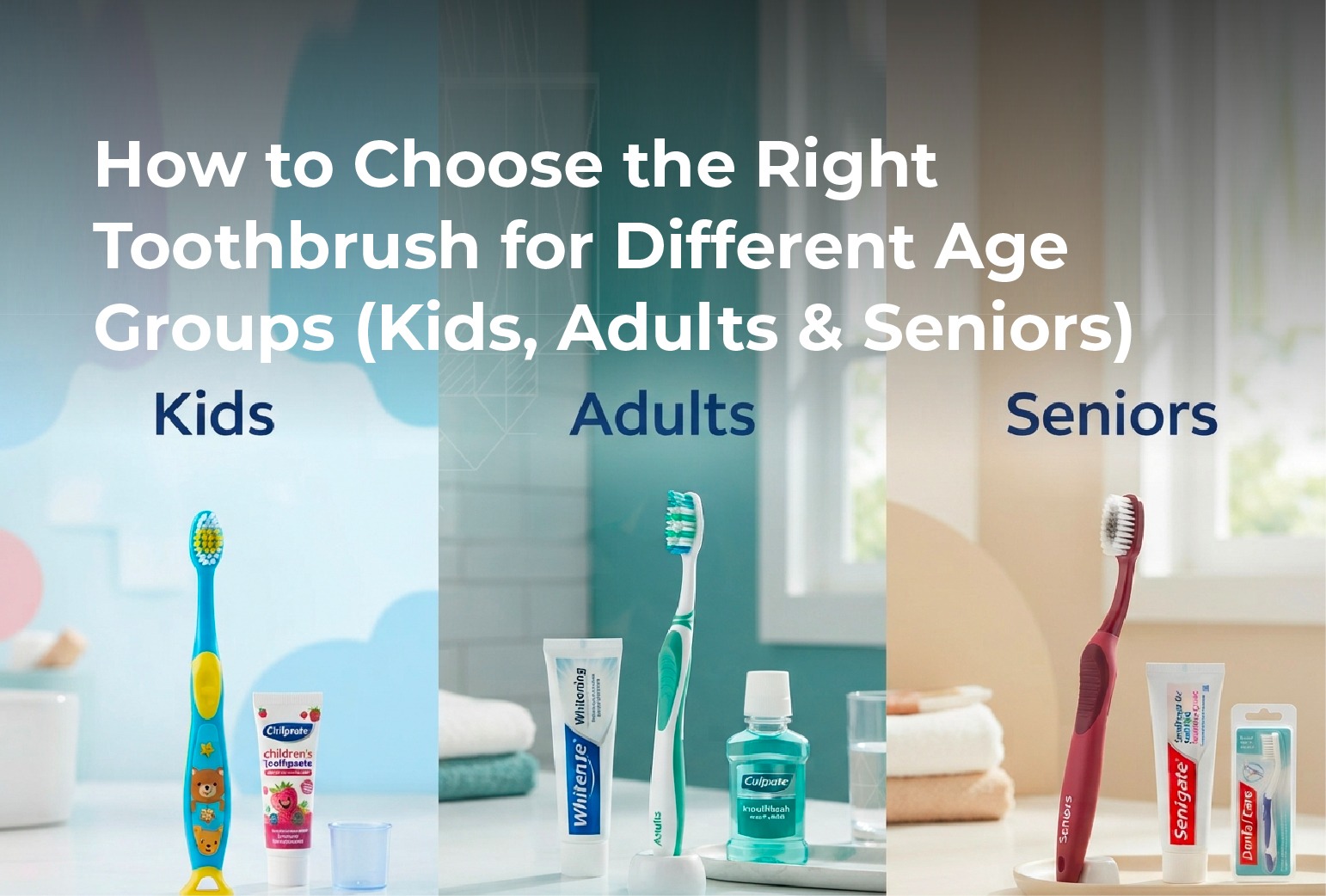
Oral health begins with one of the simplest daily tools: the toothbrush. Yet, despite its importance, many people overlook how much the choice of toothbrush influences long-term dental health. Selecting the wrong toothbrush can lead to ineffective cleaning, gum irritation, enamel wear, and even long-term dental complications.
The reality is that there is no one-size-fits-all solution. The best toothbrush for kids, adults, and seniors differs because each group has unique oral health needs. Children require gentle care for developing teeth, adults need effective plaque removal without damaging gums, and seniors often need extra sensitivity and control.
Understanding how to choose a toothbrush is therefore essential for maintaining clean teeth and for protecting the overall health of the mouth. With the wide range of toothbrush types available today, making the right choice ensures better hygiene, comfort, and long-term oral care.
Toothbrush for Kids (0–12 Years)
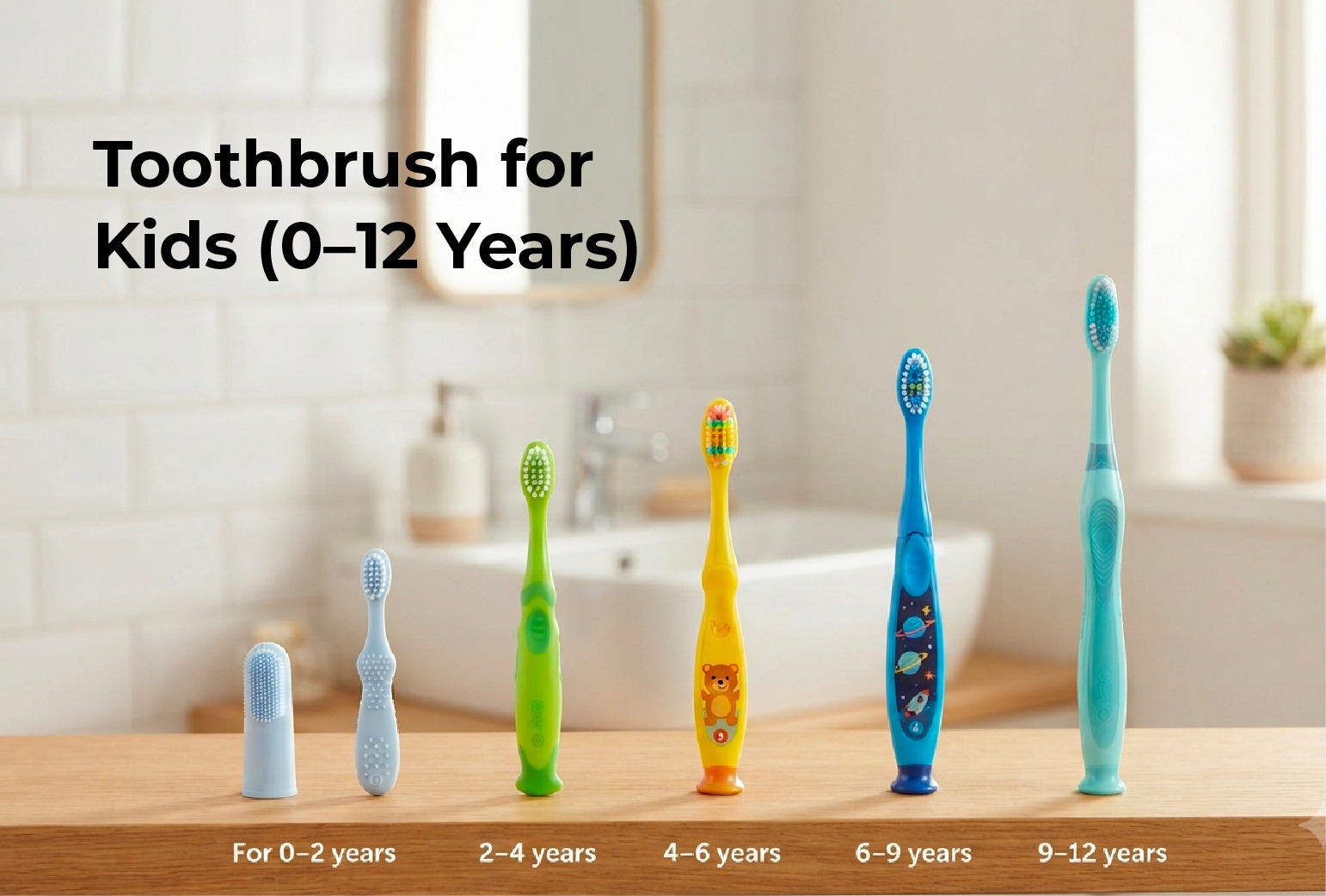
Choosing the right toothbrush for children takes into consideration a way to build lifelong habits while protecting delicate, developing teeth.
For children between the ages of 0 and 12, soft bristles are essential. Young gums are sensitive, and using anything firmer can cause irritation or damage. Soft bristles provide effective cleaning without being abrasive, making them the safest option for early oral care.
Equally important is the size of the toothbrush head. A small head allows the brush to reach tight areas in a child’s mouth, especially the back teeth, without causing discomfort. Large toothbrush heads can make brushing difficult and less effective.
The handle design also plays a crucial role. Children need toothbrushes that are easy to grip and control. Non-slip, ergonomic handles help them brush independently while maintaining proper technique.
Beyond functionality, design influences behavior. Bright colors, cartoon characters, and fun designs can significantly improve a child’s willingness to brush. These elements turn brushing from a chore into a routine they enjoy, helping to establish consistency.
At this stage, gentle cleaning is key. Overly aggressive brushing or using the wrong toothbrush can damage enamel and gums, making it critical to prioritize comfort and safety.
Toothbrush for Adults
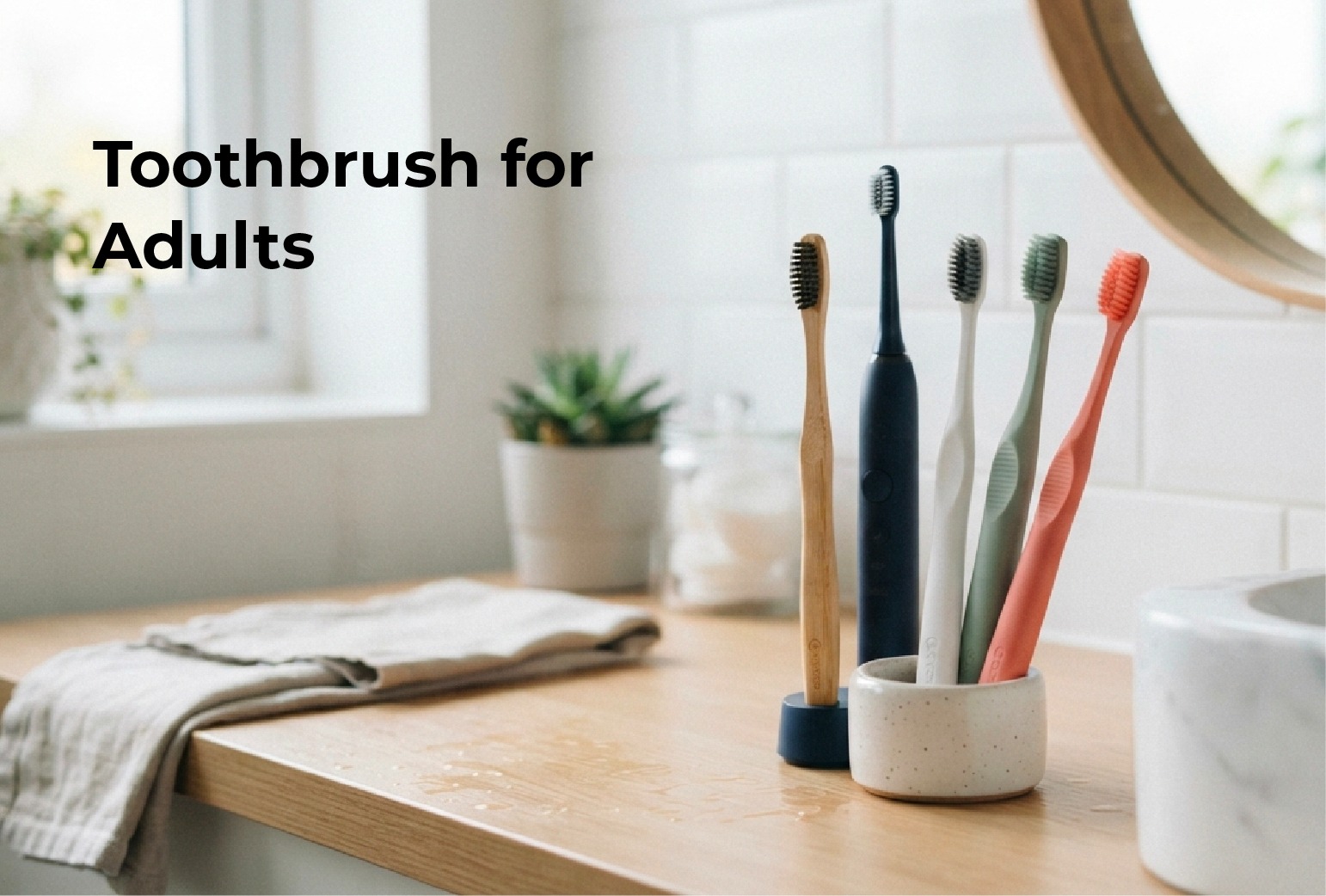
For adults, choosing a toothbrush becomes more about balancing effectiveness with protection. The goal is to remove plaque thoroughly while maintaining the health of the gums and enamel.
One of the most important decisions is selecting between soft and medium bristles. While medium bristles may feel more effective, most dental professionals recommend soft bristles for daily use. They clean efficiently without causing unnecessary wear on enamel or irritation to the gums.
Adults should prioritize toothbrushes designed for plaque removal and gum protection. Features such as angled bristles or multi-level designs can help reach difficult areas, improving overall cleaning efficiency.
Grip and control are often overlooked but are essential for proper brushing technique. A toothbrush that fits comfortably in the hand allows for better movement and precision, reducing the risk of applying excessive pressure.
Since brushing is a daily, lifelong habit, durability and comfort matter. The toothbrush should support consistent use without causing discomfort, making it easier to maintain a proper oral hygiene routine.
Ultimately, the best toothbrush in Nigeria or anywhere else is one that combines effectiveness, comfort, and suitability for individual dental needs.
Toothbrush for Seniors
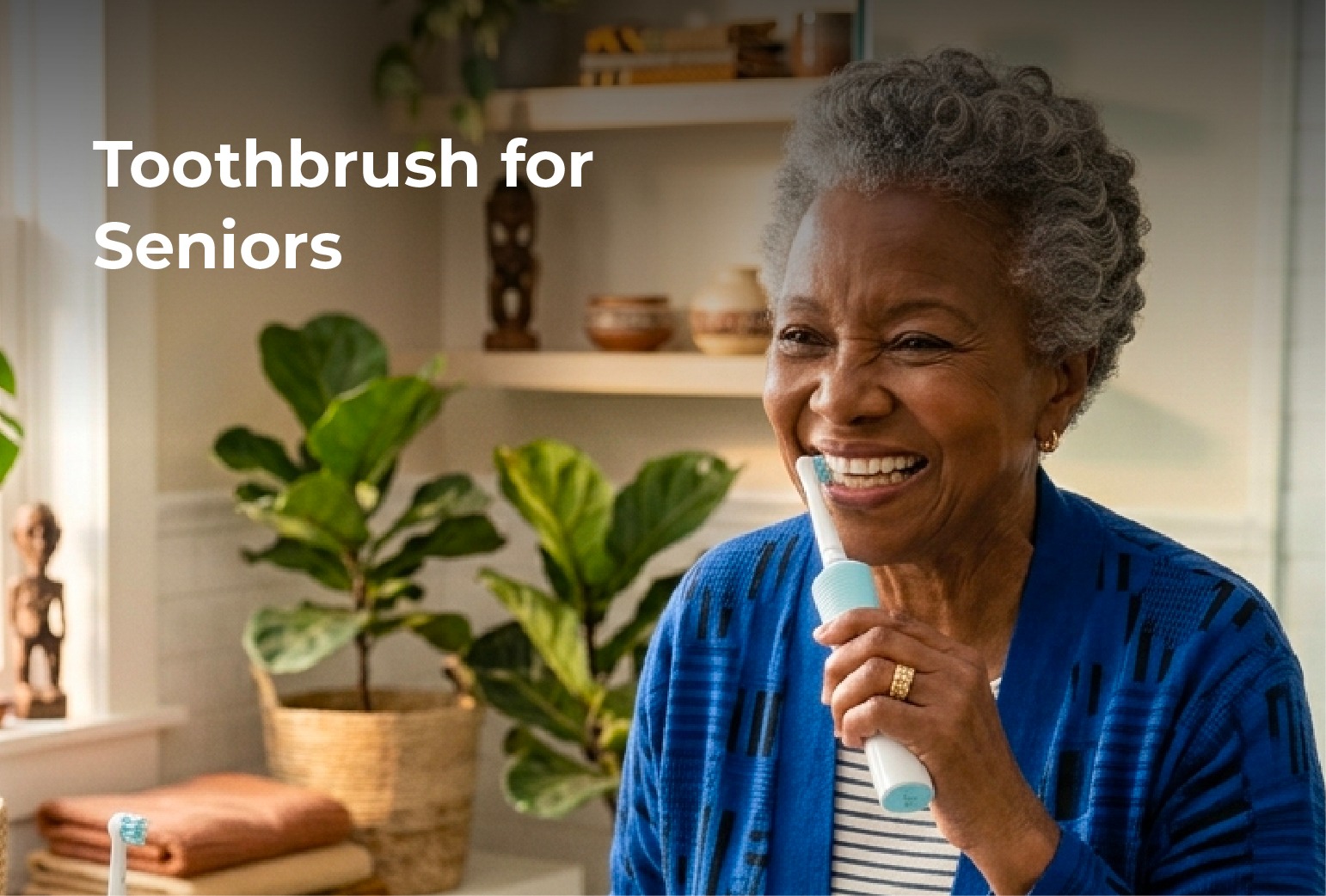
As people age, their oral health needs change significantly. Seniors often experience increased gum sensitivity, tooth wear, and sometimes reduced hand strength, all of which influence toothbrush selection.
For this group, extra soft bristles are highly recommended. They provide gentle cleaning while minimizing irritation to sensitive gums and teeth. Harder bristles can exacerbate existing dental issues, making softer options the safer choice.
Ease of use becomes increasingly important. Toothbrushes with larger, easy-grip handles help seniors maintain control, especially for those with reduced dexterity or conditions such as arthritis.
Gentle brushing techniques are essential. The focus shifts from aggressive cleaning to careful, consistent maintenance. A toothbrush that supports this approach helps prevent further gum recession and enamel damage.
In this stage, comfort and safety take priority over intensity. The right toothbrush allows seniors to maintain oral hygiene without discomfort or strain.
Key Factors to Consider When Choosing a Toothbrush
While age is a major factor, there are universal considerations that apply when deciding how to choose a toothbrush.
Bristle type remains one of the most critical elements. Soft bristles are generally preferred because they effectively clean without causing damage, while hard bristles are rarely necessary and can be harmful if used incorrectly.
The head size and shape should match the user’s mouth. A smaller head allows better access to hard-to-reach areas, improving overall cleaning.
Handle design affects comfort and control. A well-designed handle reduces strain and allows for better brushing technique, especially during longer use.
Individual dental conditions must also be considered. Those with sensitive gums should prioritize softer bristles and gentle designs, while others may require specific features recommended by a dentist.
Ultimately, professional advice plays an important role. Dentists can provide personalized recommendations based on specific oral health needs.
Common Mistakes to Avoid
Despite the availability of many toothbrush options, certain mistakes remain common.
- One of the most frequent is using hard bristles unnecessarily. Many people assume harder bristles clean better, but in reality, they can damage gums and enamel over time.
- Another issue is failing to replace toothbrushes regularly. Worn bristles lose effectiveness and can harbor bacteria, reducing the benefits of brushing.
- Some consumers choose toothbrushes based solely on price or appearance, ignoring functionality. While design matters, effectiveness and suitability should always come first.
- Perhaps the most significant mistake is ignoring personal dental needs. A toothbrush that works for one person may not be suitable for another, making individual consideration essential.
When to Replace Your Toothbrush
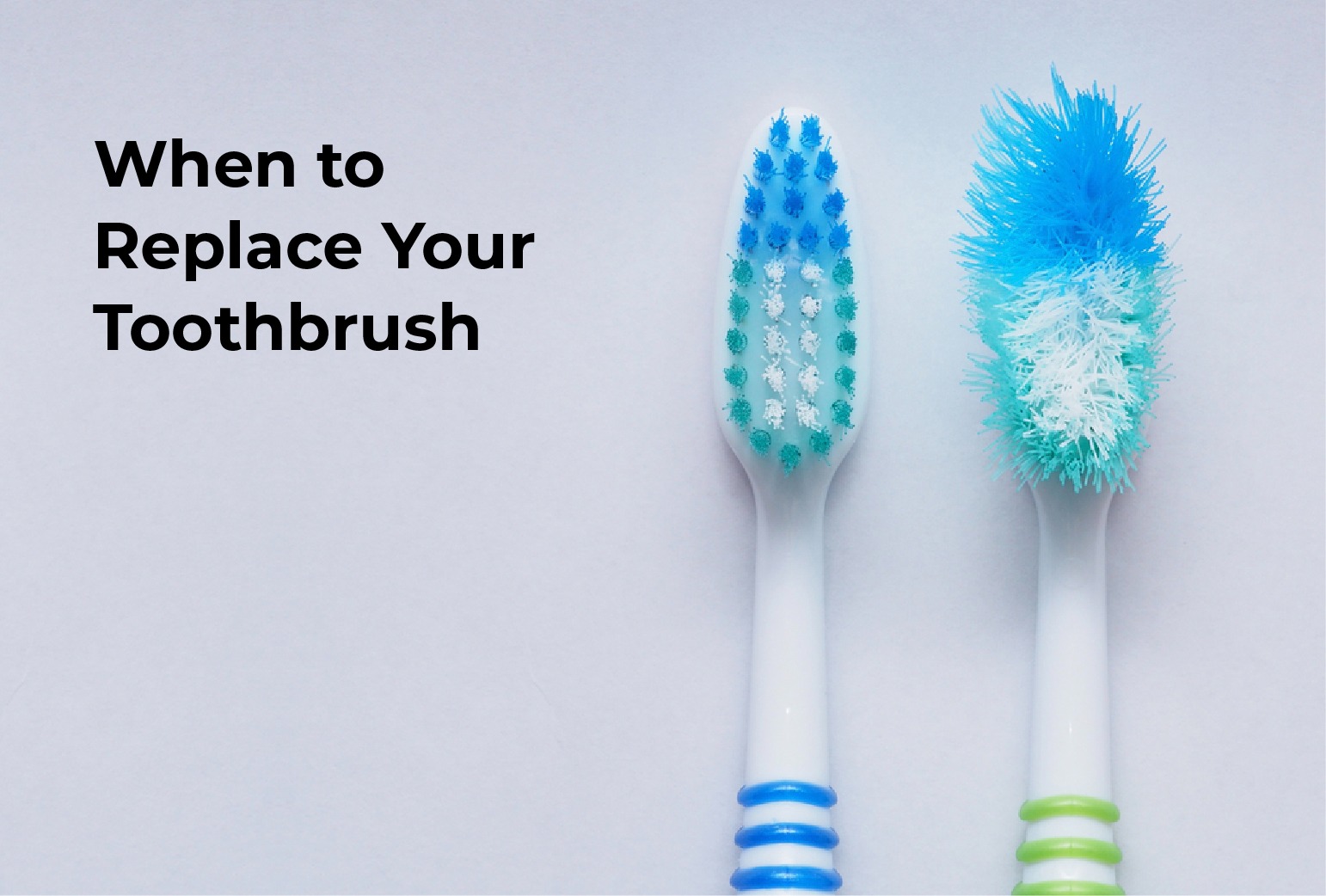
Even the best toothbrush loses effectiveness over time. Regular replacement is necessary to maintain proper oral hygiene.
Dentists generally recommend changing toothbrushes every two to three months. This ensures that bristles remain effective and hygienic. Replacement should also occur after illness, as bacteria can remain on the brush and lead to reinfection.
Visible signs such as frayed or worn bristles indicate that the toothbrush is no longer effective and should be replaced immediately. Maintaining a fresh toothbrush is a simple but essential part of oral care.
Importance of Choosing the Right Toothbrush
Selecting the right toothbrush has a direct impact on oral health outcomes.
A suitable toothbrush improves plaque removal, reducing the risk of cavities and gum disease. It also protects the gums, preventing irritation and long-term damage.
Consistent use of the right toothbrush supports overall oral hygiene, contributing to healthier teeth and fresher breath. Over time, these benefits help prevent more serious dental issues, reducing the need for costly treatments.
Expert Tips for Better Oral Care
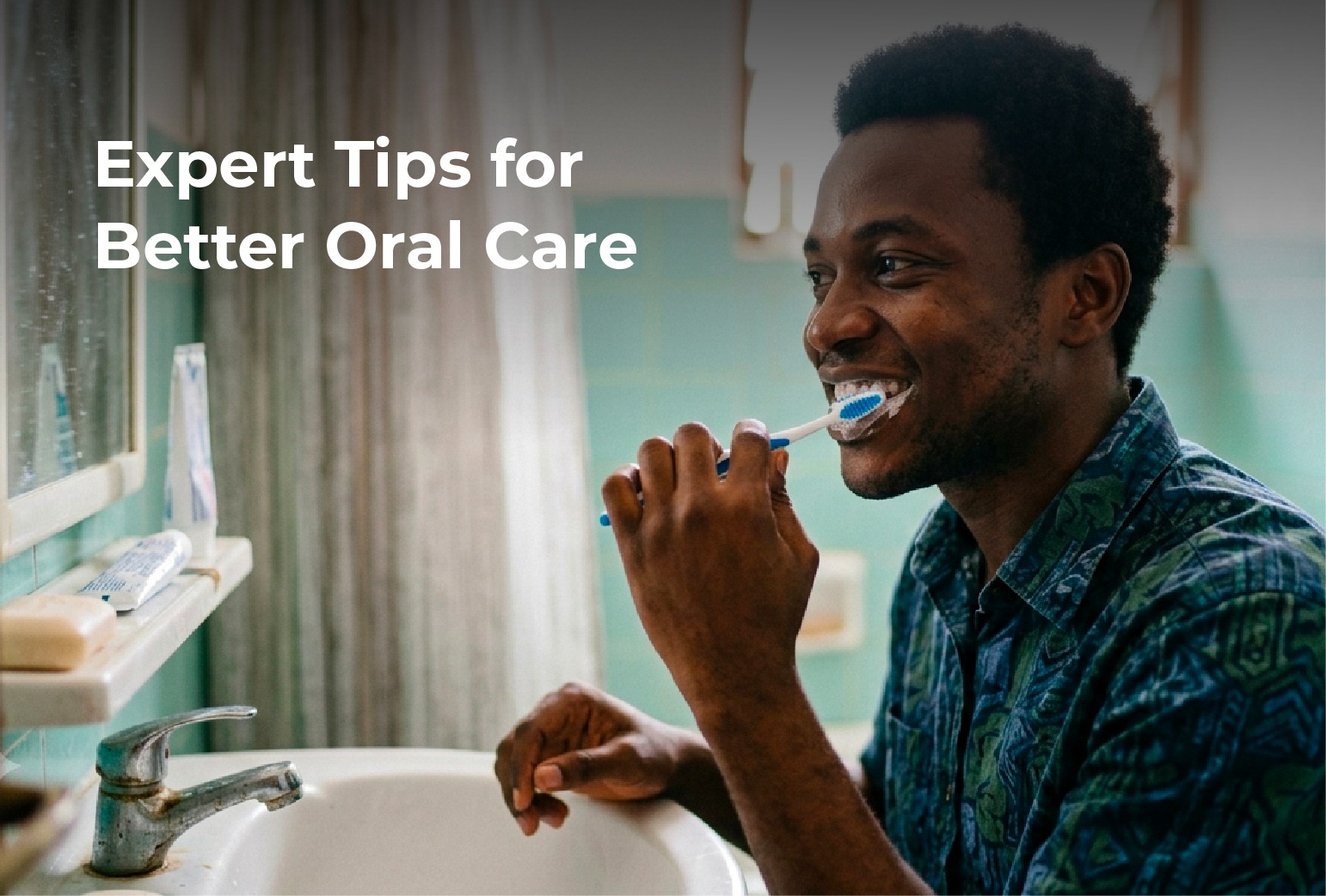
Choosing the right toothbrush is only part of the equation. Proper usage is equally important.
- Brushing twice daily ensures consistent plaque removal and maintenance of oral hygiene. Using the correct technique of gentle, circular motions rather than aggressive scrubbing protects both teeth and gums.
- Consistency is key. Even the best toothbrush will not deliver results without regular and proper use.
Good oral care is built on simple habits performed correctly over time.
Choosing the right toothbrush is considered a foundational part of maintaining long-term oral health. Across every life stage, from childhood to older adulthood, the effectiveness of daily brushing is shaped not just by consistency, but by how well the toothbrush matches the user’s needs.
For children, the priority is protection and habit-building. A toothbrush that is gentle, appropriately sized, and engaging encourages consistency while safeguarding developing teeth and gums. For adults, the focus shifts toward balanced and effective plaque removal without compromising enamel or gum health. For seniors, comfort, control, and sensitivity become essential, ensuring that oral care remains both manageable and effective despite changing physical conditions.
What becomes clear across all these stages is that the “right” toothbrush is not defined by price or appearance, but by function, comfort, and alignment with individual oral health needs. When these elements are properly considered, brushing becomes more effective, less damaging, and easier to sustain over time.
Thoughtfully designed products like Quantum Consumer B-Fresh toothbrushes have a range that accounts for different users, through soft bristles for sensitive gums, ergonomic handles for better grip, or designs that support ease of use. This reflects an understanding of what effective oral care actually requires. Rather than offering a generic solution, our products align with the reality that oral health needs evolve with age and condition.
The broader implication is the belief that better tools lead to better outcomes. When individuals use toothbrushes that are suited to their specific needs, they are more likely to brush correctly, more consistently, and with less risk of damage. Over time, this translates into improved oral hygiene, reduced dental issues, and lower long-term treatment costs.
Ultimately, choosing the right toothbrush is an informed decision that combines knowledge of personal needs with access to well-designed options. By making that choice intentionally, and by selecting products that prioritize both performance and comfort, individuals can take a more proactive approach to their oral health.
Frequently Asked Questions
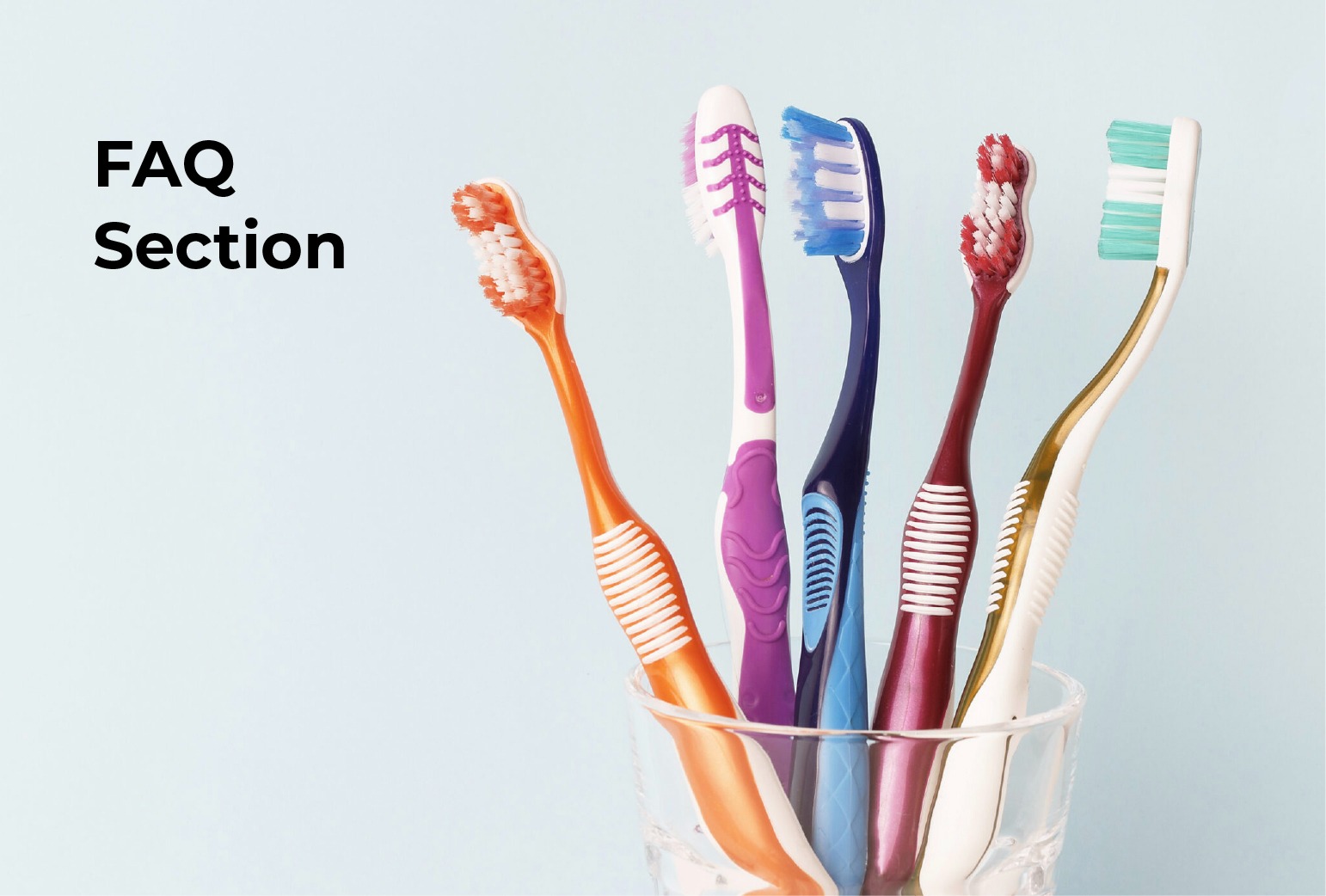
A toothbrush with soft bristles, a small head, and an easy-to-hold handle is best for children.
Soft toothbrushes are generally recommended as they clean effectively without damaging gums or enamel.
Every two to three months, or sooner if the bristles become worn or after illness.
Dentists typically recommend toothbrushes with extra-soft bristles designed specifically for sensitive gums.
Looking for a reliable toothbrush manufacturer in Nigeria?
Partner with a trusted wholesale toothbrush supplier in Nigeria for consistent quality, competitive pricing, and fast delivery.