


How to Reduce Packaging Damage During Transportation (Complete Guide for Businesses)
Packaging damage during transportation is one of the most underestimated sources of business loss. For many companies, especially those dealing with physical goods, the cost of damaged products goes far beyond replacement. It includes returns, refunds, logistics costs, reputational damage, and customer dissatisfaction.
In supply chains where margins are already tight, even a small percentage of damaged goods can significantly erode profitability. Yet, in many cases, the root cause is not the transport system itself, but poor packaging decisions.
Effective packaging for transportation is not simply about enclosing a product. It is about ensuring that the product arrives in the same condition it left the warehouse, regardless of handling conditions, distance, or environmental exposure.
The reality is straightforward: businesses lose money every day due to preventable packaging failures. The good news is that with the right materials, processes, and strategy, packaging damage prevention is entirely achievable.
Common Causes of Packaging Damage
Understanding why packaging fails is the first step toward preventing it. In most cases, damage occurs not because of a single issue, but due to a combination of weaknesses in material choice, handling, and environmental exposure.
One of the most common causes is poor material quality. Packaging that lacks sufficient strength or durability cannot withstand the pressures of transportation. This is particularly problematic in long-distance logistics or in regions where handling conditions may be less controlled.
Another major issue is improper sealing or wrapping. Even when strong materials are used, weak sealing can expose products to external elements or cause packages to open during transit.
Transportation itself introduces unpredictability. Rough handling, including drops, vibrations, and compression during stacking, can compromise packaging that has not been designed to absorb impact.
Environmental factors also play a critical role. Moisture, heat, and humidity can weaken packaging materials or damage the product directly. In climates like Nigeria’s, where high humidity and heat are common, this becomes an even greater concern.
Finally, overloading or incorrect stacking can lead to structural failure. Packages that are not designed to bear weight may collapse under pressure, resulting in crushed goods.
These causes highlight a key point: packaging must be designed not just for storage, but for the realities of transportation.
Types of Damage During Transportation
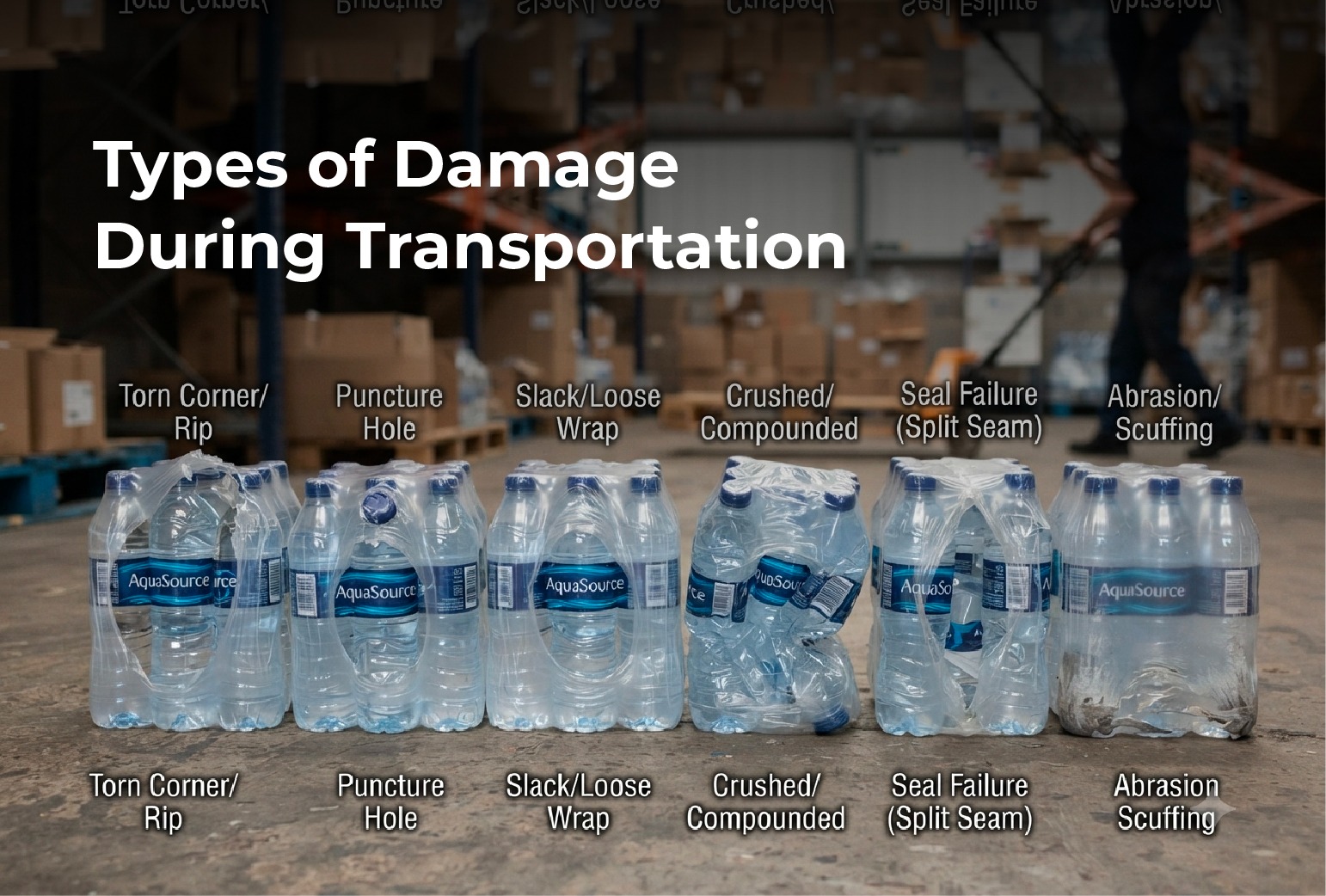
The consequences of poor packaging manifest in different forms, each with its own implications for cost and customer satisfaction.
-
Physical damage is the most visible. This includes breakage, dents, and crushing caused by impact or pressure. Fragile items are particularly vulnerable, but even durable products can be compromised if packaging fails under load.
-
Moisture damage is often less obvious but equally damaging. Exposure to rain, humidity, or condensation can affect both packaging materials and the product itself. This is especially critical for food items, electronics, and paper-based goods.
-
Leakage or spillage occurs when containers are not properly sealed or when packaging materials cannot contain liquids under pressure. This not only damages the product but can also affect other items in transit.
-
Tampering or tearing is another concern, particularly in long supply chains. Weak packaging is more susceptible to tearing, which can lead to product loss or contamination.
Each type of damage represents a failure in the packaging system and a direct financial loss for the business.
Choosing the Right Packaging Material
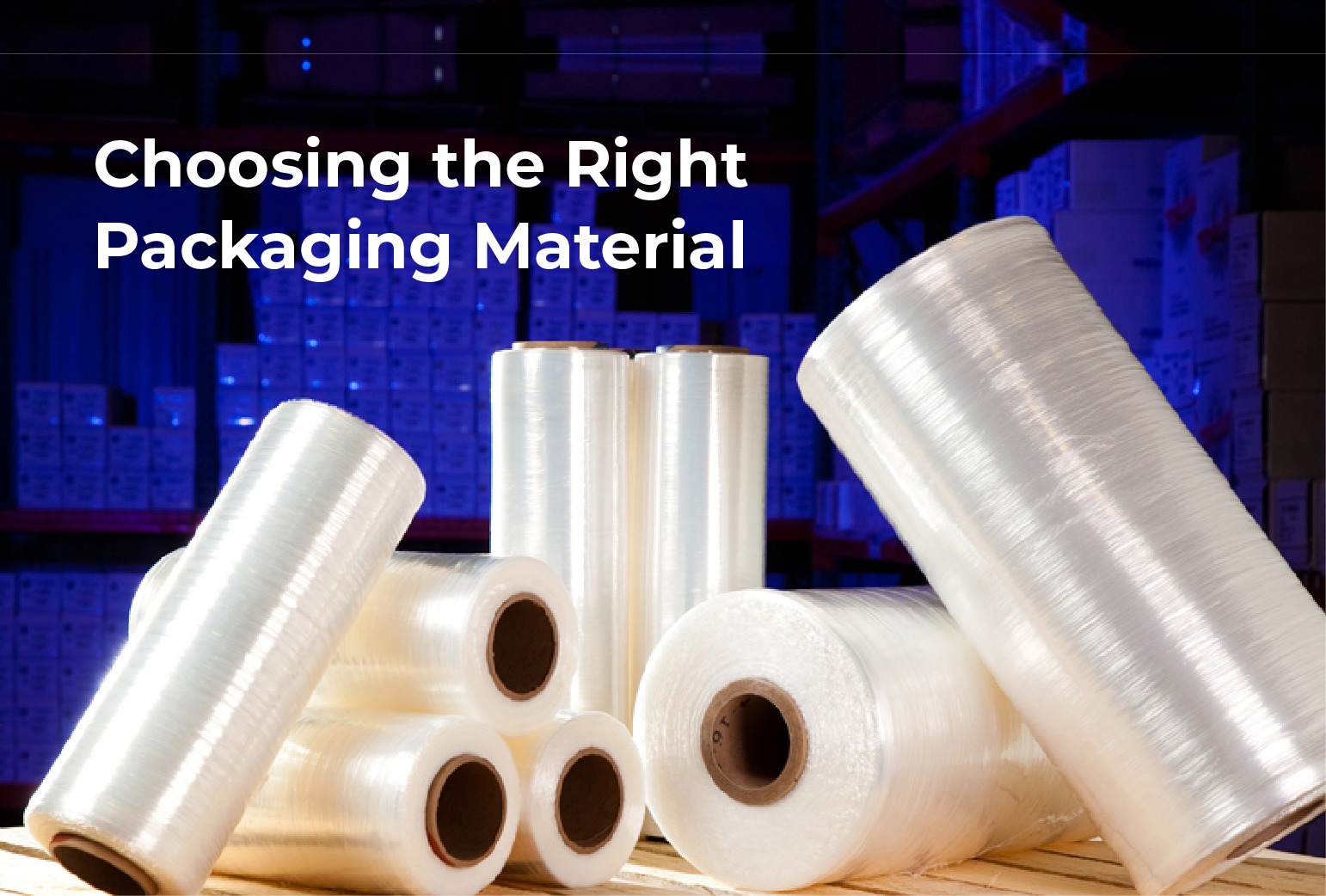
The foundation of effective packaging damage prevention lies in selecting the right materials. The choice of material determines how well a product can withstand physical stress, environmental exposure, and handling conditions.
Shrink Film
Shrink film is one of the most effective materials for securing products during transportation. It tightly conforms to the shape of the product when heat is applied, creating a protective barrier.
This tight seal serves multiple purposes. It stabilizes items, preventing movement that could lead to damage. It also protects against dust, moisture, and minor environmental exposure. For businesses looking to reduce shipping damage, shrink film offers both flexibility and reliability.
HDPE Bags
High-Density Polyethylene (HDPE) bags are widely used in industrial packaging solutions in Nigeria due to their strength and durability. They are resistant to tearing and can handle heavy loads, making them ideal for bulk packaging.
HDPE bags are particularly useful for transporting raw materials, agricultural products, and industrial goods where durability is essential.
Ropes And Twines
While often overlooked, ropes and twines play a crucial role in securing goods during transportation. They are used to bundle items, reinforce packaging, and ensure stability during movement.
When used correctly, they prevent shifting and reduce the risk of damage caused by movement within transport vehicles. Selecting the right combination of these materials ensures that packaging is not only protective but also cost-effective.
Best Packaging Practices to Avoid Damage
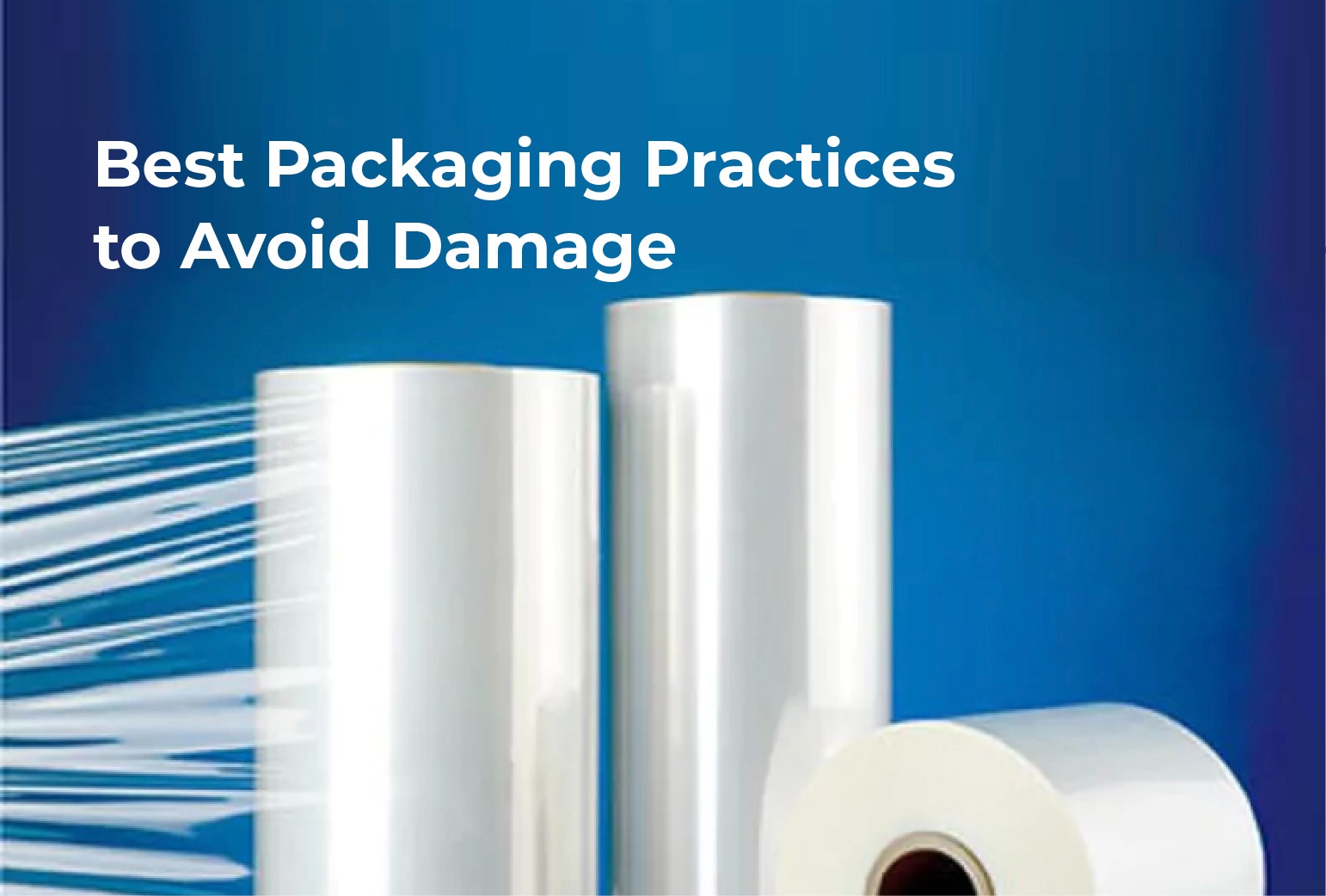
Even the best materials can fail if not used correctly. Effective packaging requires proper techniques and processes.
-
Proper wrapping and sealing are essential. Packaging should be tight enough to prevent movement but not so tight that it causes stress on the product. Weak sealing points are often the first areas to fail during transit.
-
Cushioning materials play a critical role in absorbing impact. Materials such as foam, bubble wrap, or padding reduce the effect of shocks and vibrations.
-
Choosing the correct box size is equally important. Boxes that are too large allow movement, while those that are too small may compress the product. The goal is a secure fit that minimizes internal shifting.
-
Palletization and stretch wrapping improve stability during bulk transportation. By securing multiple packages together, businesses can reduce movement and improve handling efficiency.
-
Clear labeling, such as “Fragile” or “Handle with Care,” also helps guide handling behavior. While not a guarantee, it increases the likelihood of careful treatment.
Protecting Goods from Environmental Factors
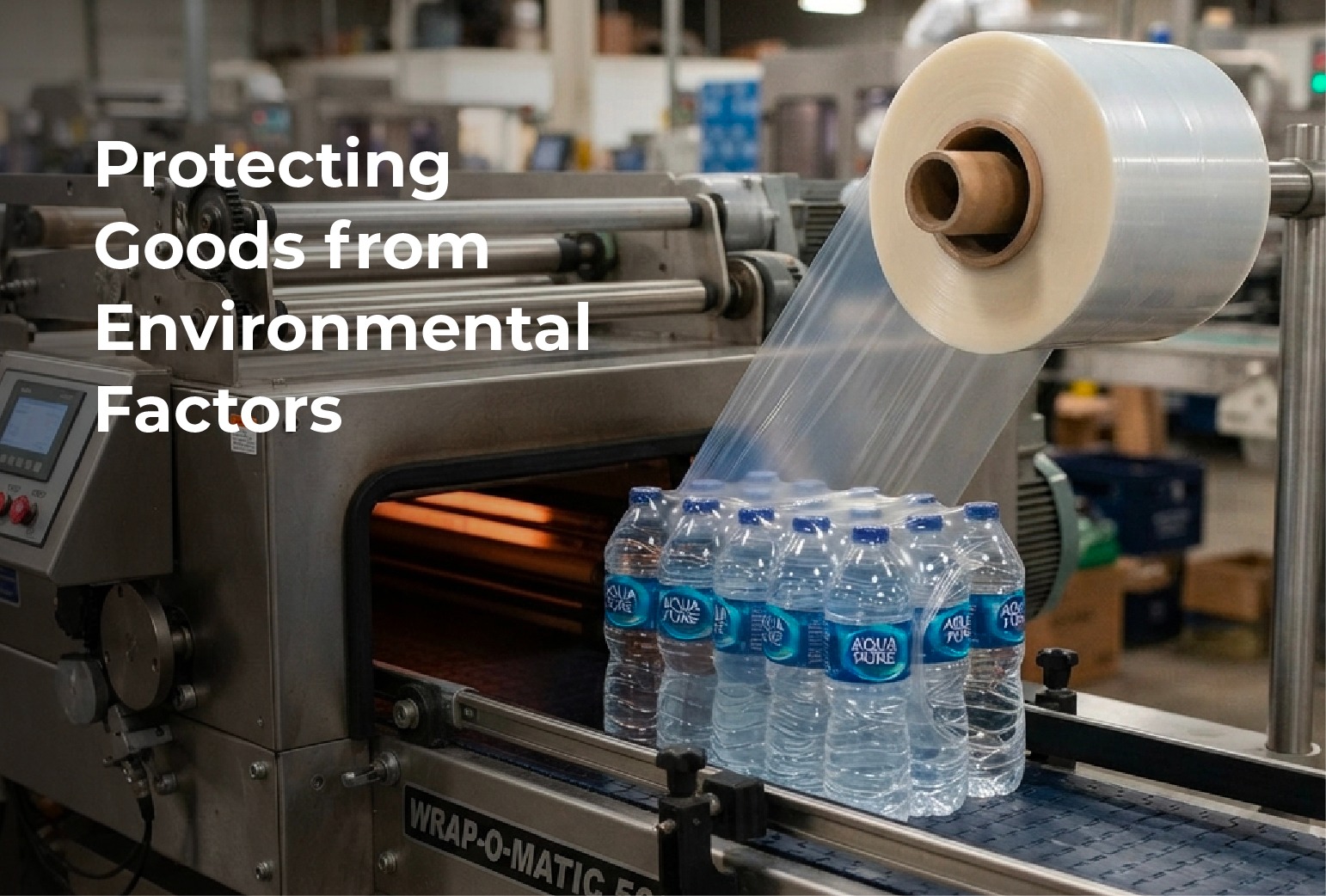
Transportation exposes products to a wide range of environmental conditions. Effective packaging must account for these variables.
-
Heat and direct sunlight can weaken packaging materials and affect product quality. This is particularly relevant in hot climates, where prolonged exposure can lead to deformation or spoilage.
-
Rain and humidity introduce moisture risks. Packaging must be resistant to water penetration, especially for goods sensitive to damp conditions.
-
Dust and contamination are also concerns, particularly for products that require cleanliness or hygiene. Proper sealing and protective layers help prevent exposure.
Addressing these factors ensures that packaging performs consistently across different environments.
Real-Life Example
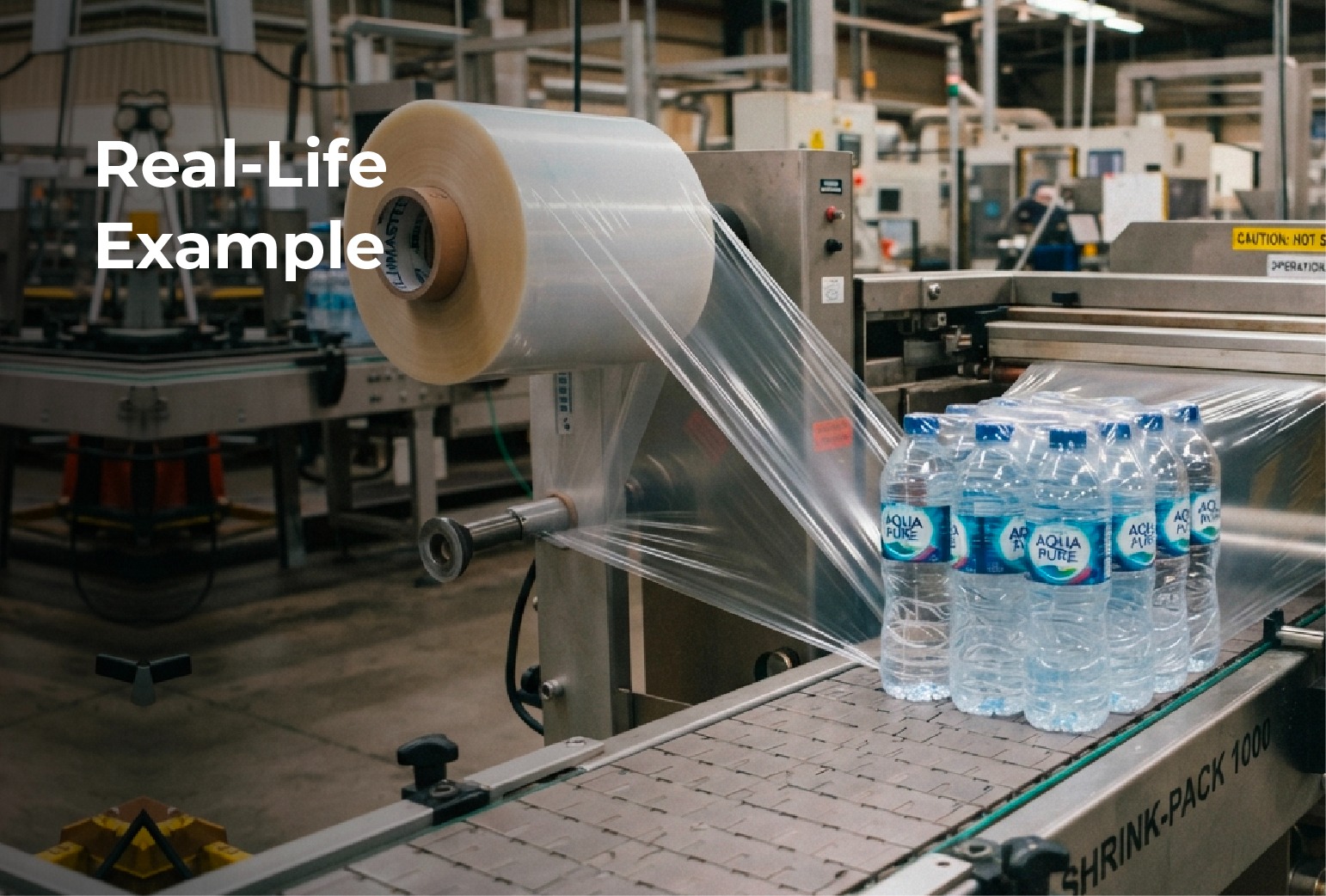
Consider a business distributing bottled products across multiple cities. Initially, the company used basic wrapping and low-grade materials. During transportation, bottles shifted, collided, and occasionally broke, resulting in high damage rates and frequent returns.
After switching to proper shrink film and improved packaging practices, the results were immediate. Products were tightly secured, movement was minimized, and exposure to external elements was reduced.
The outcome was a significant drop in damage rates, fewer customer complaints, and improved overall profitability.
This example illustrates a broader principle of how investing in better packaging directly reduces losses.
Common Mistakes Businesses Make
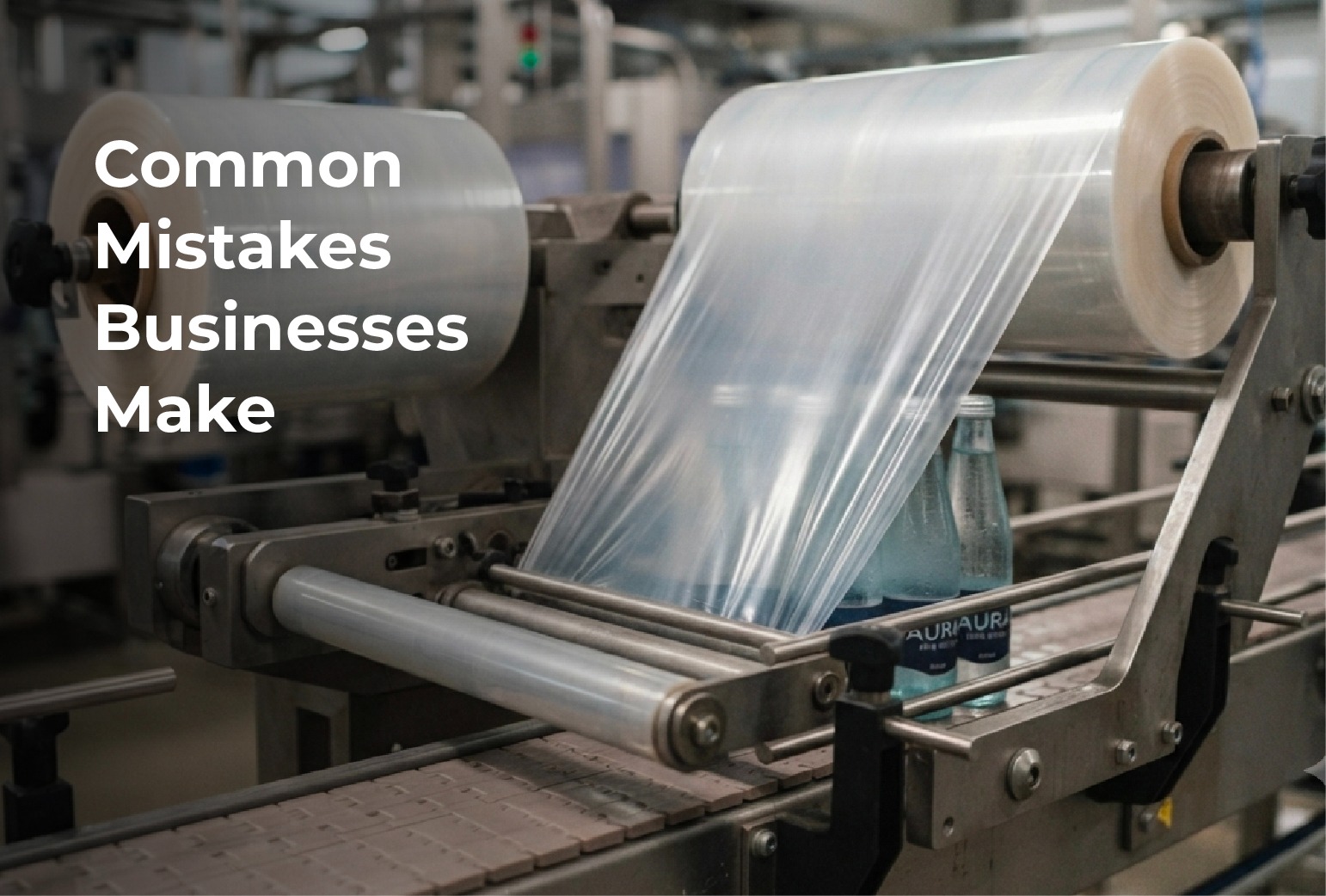
Many businesses underestimate the importance of packaging until losses become significant. Using low-quality materials is one of the most common mistakes. While it may reduce upfront costs, it often leads to higher long-term losses.
Overpacking or underpacking is another issue. Too much packaging increases cost without improving protection, while too little leaves products vulnerable. Ignoring transport conditions can also be costly. Packaging designed for storage may not withstand transportation stresses.
Finally, failing to test packaging strength means businesses are operating without data. Without testing, weaknesses remain undiscovered until damage occurs.
Cost vs Protection: Finding the Right Balance
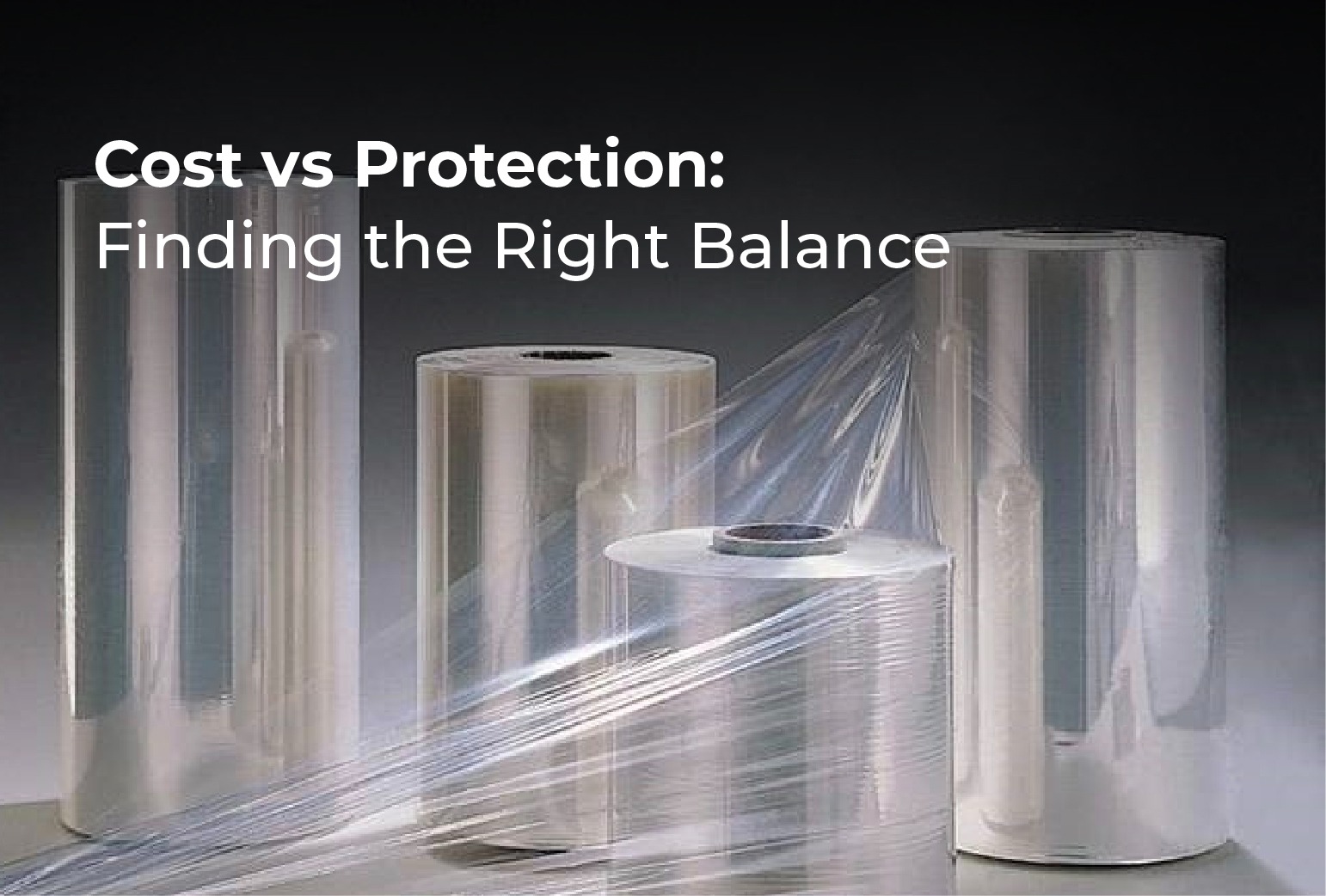
A common misconception is that reducing packaging costs improves profitability. In reality, cheap packaging often leads to higher losses.
The true measure of packaging efficiency is not cost alone, but cost relative to protection. Investing in better materials and processes may increase initial expenses, but it reduces damage, returns, and customer dissatisfaction.
Over time, this leads to significant savings and improved operational efficiency.
Expert Tips
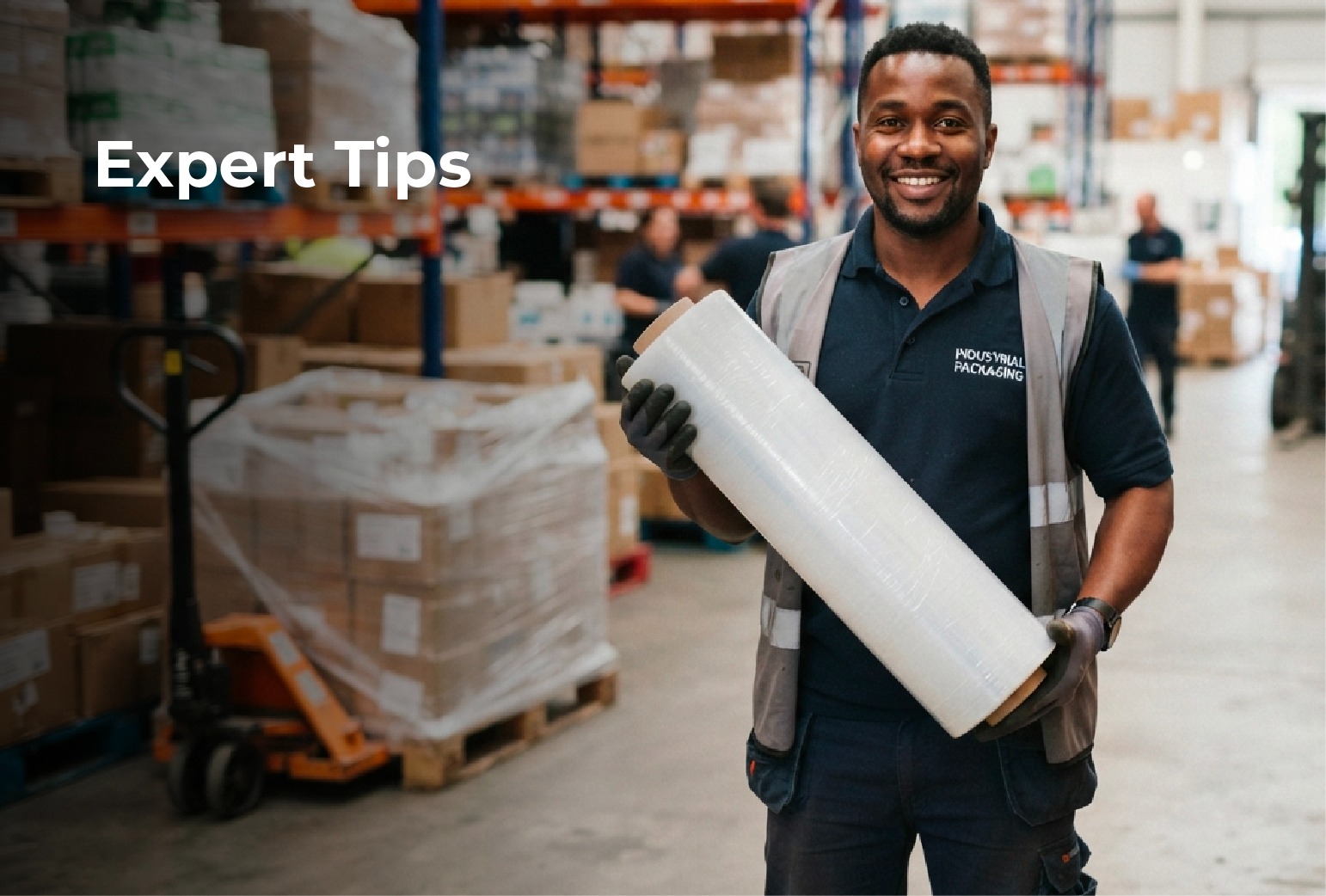
Effective packaging requires consistency and attention to detail. Testing packaging before shipping helps identify weaknesses early. Working with reliable suppliers ensures access to quality materials.
Standardizing packaging processes improves efficiency and reduces variability. Training staff on proper handling and packaging techniques ensures that systems are executed correctly.
These practices create a more reliable and scalable packaging system.
Reducing packaging damage is not a matter of luck—it is the result of deliberate strategy. Businesses that invest in proper materials, processes, and training can significantly reduce losses and improve customer satisfaction.
In a competitive market, where margins are tight and customer expectations are high, effective packaging becomes a key differentiator.
Ultimately, good packaging leads to fewer losses, stronger customer trust, and higher profitability, which leads to a business advantage.
Frequently Asked Questions
By using strong materials, proper sealing, cushioning, and ensuring packages are designed for transportation conditions.
It depends on the product, but materials like shrink film, HDPE bags, and durable boxes are widely effective.
Yes. It secures products tightly, reducing movement and protecting against dust and moisture.
Use moisture-resistant materials, proper sealing, and protective layers such as shrink film or waterproof packaging.
Looking to reduce packaging damage and optimize transportation safety?
Partner with Quantum Plastic Nigeria for industrial packaging solutions, durable shrink films, HDPE bags, and twines tailored to your business needs.