


Morning vs Night Brushing: What Really Matters for Stronger Teeth

Few oral health topics spark as much everyday debate as morning and night brushing. Some people believe brushing in the morning is more important because it freshens breath and prepares the mouth for the day. Others contend that nighttime brushing is essential because it shields teeth from bacterial damage during the vulnerable hours of sleep. In reality, both matter, but not equally, and not for the same reasons.
Recognizing the distinct roles of morning and night brushing is essential for developing a routine that genuinely strengthens oral health. Cavities, gum disease, and enamel erosion do not happen overnight. They develop gradually, often as a result of small daily habits that are misunderstood or poorly practiced. Brushing at the right times, with the right technique, plays a major role in preventing these problems.
This article examines the science and clinical realities underlying optimal brushing timing, explains the benefits of both morning and night brushing, and clarifies what really protects the teeth in the long run.
Why Brushing Teeth Daily Is Essential
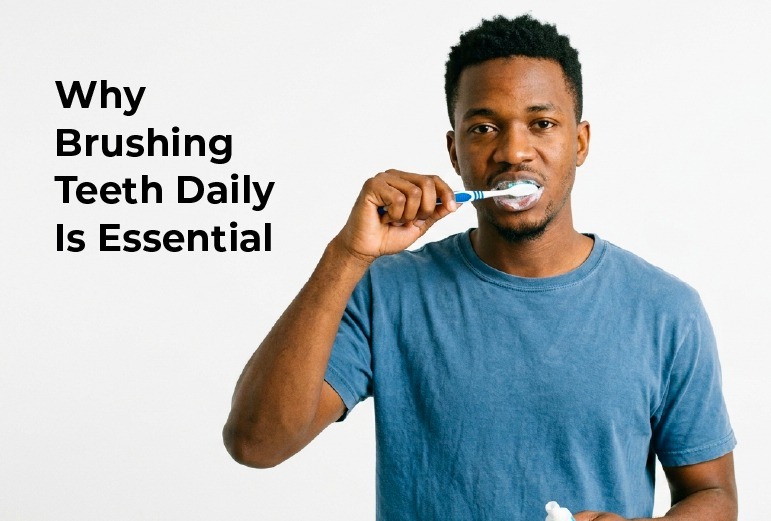
Daily brushing is the foundation of good oral health because the mouth is constantly exposed to bacteria. These bacteria are a natural part of the oral environment, but problems arise when they remain on the teeth for an extended period. When bacteria feed on sugars from food and drinks, they produce acids as a by-product. These acids gradually weaken tooth enamel, the protective outer layer of the teeth, making it easier for decay to begin.
As this process continues, a sticky film known as dental plaque accumulates on the tooth surface. If plaque is not removed regularly, it thickens and hardens into tartar, which is much more difficult to clean and often requires professional dental treatment. Over time, this buildup leads to cavities, gum inflammation, persistent bad breath, and, in severe cases, tooth loss. This slow progression is why dental problems often go unnoticed until significant damage has already occurred.
Proper brushing interrupts this cycle before it becomes harmful. By physically removing plaque each day, brushing limits the amount of acid produced in the mouth, giving the teeth a chance to stay strong. When brushing is inconsistent, rushed, or poorly timed, plaque remains on the teeth for longer periods, increasing the risk of enamel erosion and gum irritation. This is why dental professionals consistently stress that routine matters just as much as technique when it comes to stronger teeth.
The timing of brushing plays a crucial role in effective plaque control. Certain periods of the day allow bacteria to inflict more damage than others. When considering morning or night brushing, the key question is not simply convenience, but when bacteria have the greatest opportunity to harm the teeth. Understanding this connection helps explain why brushing habits are directly linked to cavity prevention, gum health, and long-term oral wellbeing.
Benefits of Morning Brushing
- One of the key benefits of morning brushing is that it removes bacterial buildup that accumulates overnight. Brushing in the morning clears plaque, improves breath, and refreshes the mouth before eating or interacting with others. For many people, it also sets the tone for good hygiene throughout the day.
- Morning brushing can also protect teeth before eating. If done before breakfast, it helps coat the teeth with fluoride, fortifying enamel against acids found in foods and drinks. This contributes to stronger teeth and oral care, especially for individuals who consume acidic breakfasts such as fruit, tea, or coffee.
While morning brushing is valuable, it mainly supports cleanliness and freshness. Its protective effect is important, but it does not replace the deeper preventive role of brushing at night.
Why Night Brushing Is More Important

Dental professionals overwhelmingly agree that nighttime brushing is more critical than morning brushing. If forced to choose only one session, nighttime offers the greatest protection.
Throughout the day, food particles, sugars, and bacteria accumulate in the mouth. Without nighttime brushing, this buildup remains on the teeth for hours during sleep. During sleep, saliva production decreases, reducing the mouth’s natural ability to neutralize acids and clear bacterial debris.
Night brushing removes plaque, food debris, and bacteria before this vulnerable period begins. This significantly reduces acid attacks on enamel and lowers the risk of cavities and gum disease. In the discussion of morning or night brushing, this is the core reason night brushing has a stronger protective effect.
Brushing at night also allows the fluoride from the toothpaste to remain on teeth longer, fortifying enamel during sleep. This makes night brushing one of the most important habits for long-term dental health.
Morning vs Night Brushing: Key Differences
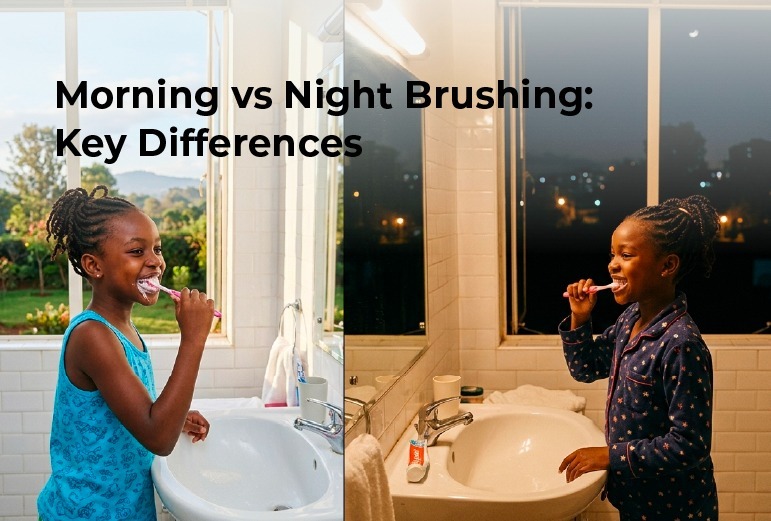
When comparing morning and night brushing, the difference lies in the purpose rather than preference. Morning brushing is mainly about hygiene. It clears the overnight bacteria, freshens breath, and prepares the mouth for eating. The morning brushing benefits are largely immediate and social, helping people feel clean and confident at the start of the day. Night brushing, however, is preventive; it removes harmful buildup and protects teeth during the hours when damage is most likely to occur. This is why dentists consistently emphasize night brushing when discussing cavity prevention and gum health.
In short:
- Morning brushing promotes freshness and daily cleanliness.
- Night brushing offers lasting protection and strengthens enamel.
Understanding this difference helps answer the question of the best time to brush teeth. Ideally, both should be done consistently, but night brushing plays the greater role in preventing decay.
Correct Brushing Technique for Stronger Teeth

Timing alone is not enough to ensure better oral care. How to brush is just as important as when to brush.
Brushing should last at least two minutes to ensure all tooth surfaces are properly cleaned. Short, gentle circular motions are more effective than aggressive scrubbing, which can wear down enamel and irritate gums. Bristles should be angled slightly toward the gum line to remove plaque where it commonly builds up.
Using fluoride toothpaste is essential. Fluoride strengthens enamel, helps repair early signs of decay, and makes teeth more resistant to acid attacks. This benefit is especially important when brushing at night, as fluoride remains active on the teeth longer during sleep. A proper technique ensures that both morning and night brushing support long-term oral health rather than causing damage.
Common Brushing Mistakes to Avoid
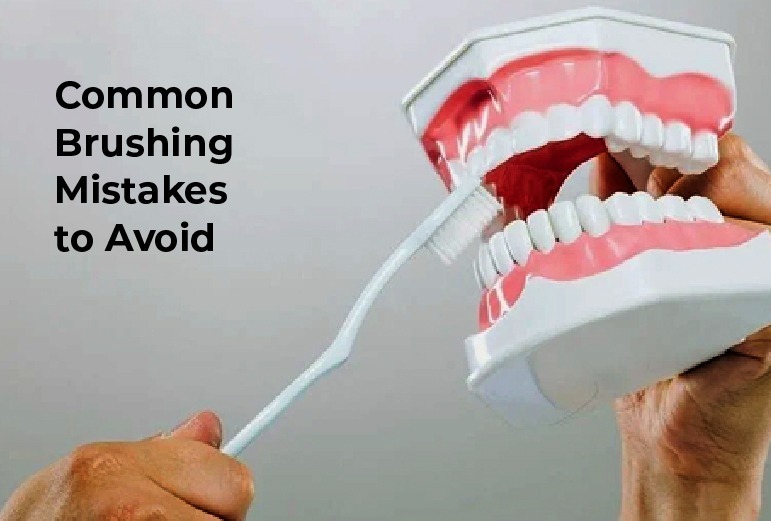
- One of the most damaging habits is skipping brushing at night. Many people brush in the morning but neglect to brush before bed, either out of tiredness or convenience. This weakens the protective benefits of good oral hygiene and undermines the importance of night brushing.
- Another common mistake is brushing too hard. Excessive pressure does not improve cleaning; instead, it erodes enamel and causes gum recession. Brushing too quickly or unevenly also leaves plaque behind.
- Using a worn-out toothbrush is another issue. Frayed bristles are less effective at cleaning and can irritate the gums. Replacing a toothbrush every three months helps maintain effective cleaning.
Avoiding these mistakes maximizes the benefits of both morning and night brushing and supports healthier teeth over time.
How Brushing Timing Affects Long-Term Oral Health
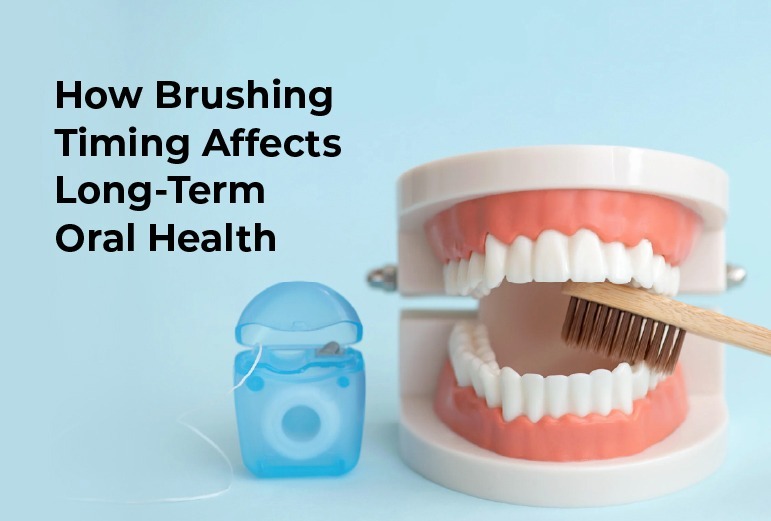
Over months and years, brushing habits have a cumulative effect. Inconsistent brushing allows plaque to harden and damage enamel slowly, often without noticeable symptoms initially. This is why cavities and gum disease can develop even in people who brush “most days.”
In the debate between morning and night brushing, evidence shows that long-term oral health is best supported by routines that prioritize consistency in brushing at night. Brushing before bed minimizes overnight acid exposure, strengthens enamel, and promotes gum health during the hours when teeth are most vulnerable.
Night brushing reduces prolonged acid exposure, protects enamel, and supports gum health during the most vulnerable period.
Morning brushing complements this by maintaining daily cleanliness and preventing bacterial buildup before meals. Together, they form a complete routine that supports everyday oral care. What really matters when it comes to brushing for stronger teeth?
The answer is consistency, proper technique, and prioritizing the right timing. While the best time to brush is ideally both morning and night, brushing at night carries greater long-term protective value. Morning brushing provides cleanliness and freshness, but nighttime brushing defends the teeth while they are most at risk.
To maintain healthy teeth and gums, it is important to do the following:
- Brush twice daily, with special emphasis on night brushing
- Use fluoride toothpaste consistently.
- Brush gently and thoroughly for at least two minutes.
- Avoid skipping night brushing, even when tired.
Ultimately, better oral care is achieved by understanding the role each brushing time plays and building habits that protect the teeth every day, for years to come.
For individuals and families committed to maintaining strong, healthy teeth, selecting the right oral care tools and products is as important as their brushing habits. A reliable company like Quantum Consumer Products produces the B-Fresh toothbrush, which consists of a range of quality toothbrushes designed to support everyday brushing routines, helping to remove plaque more effectively and protect enamel from decay. Combining consistent morning and night brushing with high-quality toothbrushes builds a strong foundation for long-term dental health. Visit us today at www.quantumconsumernig.com to explore products that elevate your oral care routine and take a proactive step toward healthier, stronger teeth and brighter smiles.
Looking for a reliable toothbrush manufacturer in Nigeria?
Partner with a trusted wholesale toothbrush supplier in Nigeria for consistent quality, competitive pricing, and fast delivery.