


PE vs PP Ropes: Which Is Better for Industrial Use?
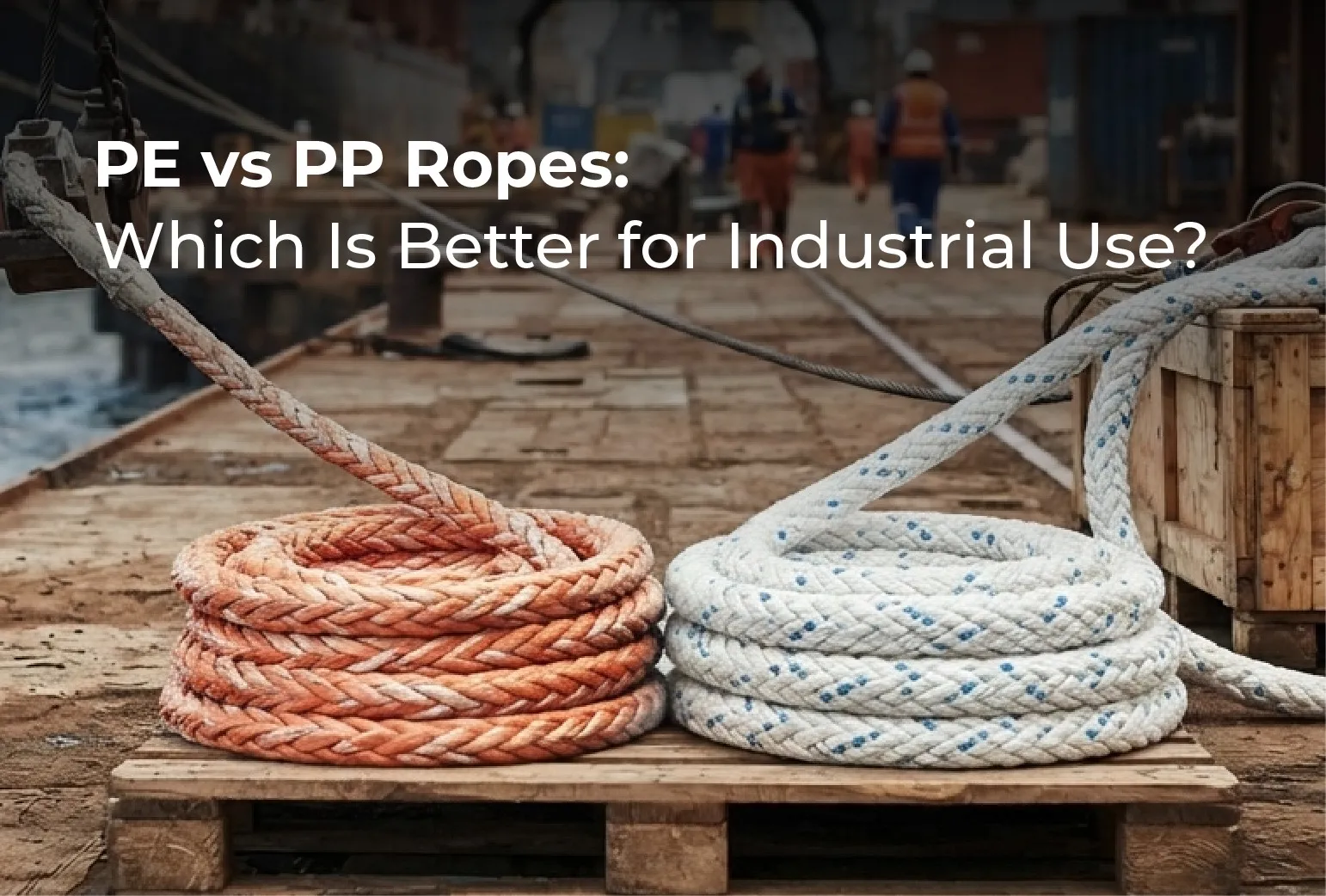
In industrial environments, ropes are operational tools tied to safety, efficiency, movement, and load control. Across industries, ropes are used daily to secure equipment, lift materials, manage heavy loads, anchor vessels, and support transportation processes under demanding conditions. The performance of these ropes often determines how operations run and, in many cases, how safe those operations remain.
The conversation around PE vs PP ropes has become important for businesses looking to improve durability, reduce operational failures, and invest in more reliable industrial materials. While both PE ropes and PP ropes are used across Nigeria’s industrial sector, they are not designed for the same working conditions. Each rope type possesses different structural properties that affect strength, flexibility, abrasion resistance, water performance, handling, and long-term durability.
For many businesses, choosing between polyethylene ropes and polypropylene ropes is a decision that affects operational cost, maintenance frequency, workplace safety, and material lifespan. A rope that performs well in one industry may fail quickly in another because the operational environment demands different characteristics.
Over the years, synthetic ropes have replaced traditional natural fiber ropes across many industries because they offer greater durability, better environmental resistance, lower maintenance requirements, and improved operational performance. Among the most used synthetic rope materials today are polyethylene and polypropylene. Both are trusted industrial rope solutions, yet both serve different purposes depending on the environment and application involved.
Understanding the differences between PE and PP ropes helps businesses make more informed decisions based on durability requirements, environmental conditions, handling needs, and industrial applications. Rather than viewing ropes as generic utility materials, industries are recognizing them as specialized operational tools designed for specific performance environments.
What Are PE Ropes?
PE ropes, known as polyethylene ropes, are synthetic industrial ropes designed for environments where durability, flexibility, and moisture resistance are critical. Over the years, they have become one of the most trusted rope solutions across industries that operate under demanding outdoor conditions because of their ability to maintain performance even after prolonged exposure to water, friction, and environmental stress.
What makes polyethylene ropes valuable in industrial operations is the balance they offer between strength and handling convenience. In many heavy-duty work environments, ropes are not only exposed to tension and weight pressure but are also dragged across rough surfaces, exposed to sunlight for long periods, tightened repeatedly, and used under unpredictable weather conditions. PE ropes are manufactured to withstand this kind of continuous operational strain without deteriorating.
Another reason PE ropes are preferred is their low water absorption. Unlike natural fiber ropes that become weaker and heavier when wet, polyethylene ropes retain their structure even in humid or water-based environments. This is one reason they are used in marine industries, fishing operations, docking systems, and transportation activities where constant water exposure is unavoidable.
Their flexibility also improves day-to-day usability. Workers can coil, tie, secure, and handle PE ropes more easily during industrial operations, which improves efficiency on construction sites, marine facilities, and logistics operations. Rather than becoming stiff or difficult to manage under repeated use, polyethylene ropes maintain their handling performance over time.
Because of this combination of durability, flexibility, and environmental resistance, PE ropes have become one of the most reliable synthetic ropes for industrial use across Nigeria’s marine, agricultural, construction, and transportation sectors.
What Are PP Ropes?
PP ropes, also known as polypropylene ropes, are synthetic industrial ropes manufactured using polypropylene fibers. They are recognized for their lightweight structure, versatility, and cost-efficiency, making them one of the most used rope types across multiple industries.
In many industrial environments, ease of handling is just as important as strength. The lightweight composition of PP ropes makes them easier to move, transport, and manage during daily operations in industries where ropes are constantly being tied, repositioned, or replaced. Workers handling large volumes of rope during packaging, cargo securing, transportation, or warehouse activities often benefit from the operational convenience PP ropes provide.
Like PE ropes, polypropylene ropes also float on water, making them useful for certain marine and fishing applications. However, their strongest appeal often lies in their affordability and practicality. Businesses that require dependable rope solutions for frequent operational use often prefer PP ropes because they provide good performance without increasing material costs.
Their resistance to moisture and many industrial chemicals further contributes to their popularity. In work environments where ropes may come into contact with oils, solvents, or changing weather conditions, polypropylene ropes maintain stable performance and continue functioning under regular industrial pressure. For many businesses, PP ropes represent a practical balance between functionality, affordability, and operational convenience.
Key Differences Between PE and PP Ropes
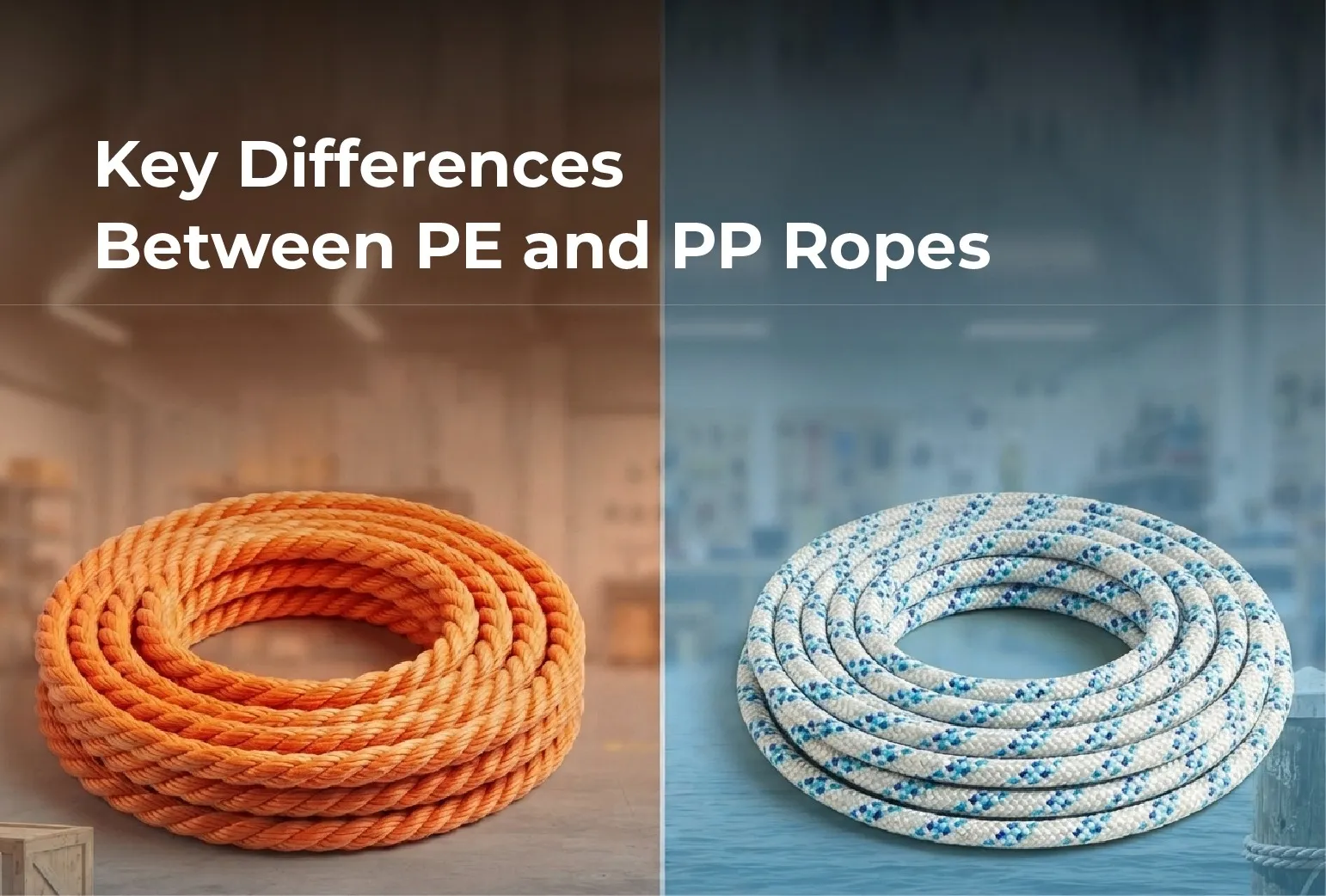
The conversation around PE vs PP ropes often begins with appearance because both rope types can look similar externally. However, once they are used in real industrial environments, the differences between them become much more noticeable. Their performance under tension, exposure, friction, and environmental pressure varies, which is why understanding these differences is important before choosing a rope for industrial operations.
- One of the biggest distinctions lies in durability under demanding conditions. Polyethylene ropes are more resistant to abrasion and long-term environmental wear. In industries where ropes are exposed to rough surfaces, repeated pulling, heavy friction, and outdoor weather conditions, PE ropes often maintain their structural integrity for longer periods. This makes them especially valuable in marine operations, fishing industries, and construction environments where ropes are under continuous physical stress.
- Polypropylene ropes, on the other hand, are often favored for their lighter weight and easier handling. In operational environments where workers move ropes frequently, transport them across locations, or use them for repeated tying and securing tasks, the lightweight nature of PP ropes can improve efficiency. This is useful in logistics operations, warehouses, packaging environments, and agricultural activities where convenience and speed matter daily.
- There is also a noticeable difference in how both ropes respond to extended operational use. PE ropes generally retain flexibility and durability better under harsh environmental conditions, while PP ropes are often preferred in situations where affordability and operational convenience are more important than extreme abrasion resistance.
The real difference between polyethylene ropes and polypropylene ropes, therefore, comes down to industrial suitability. Each rope performs best under certain conditions, and businesses that understand these differences are better positioned to choose rope solutions that improve both efficiency and long-term value.
Strength and Durability Comparison
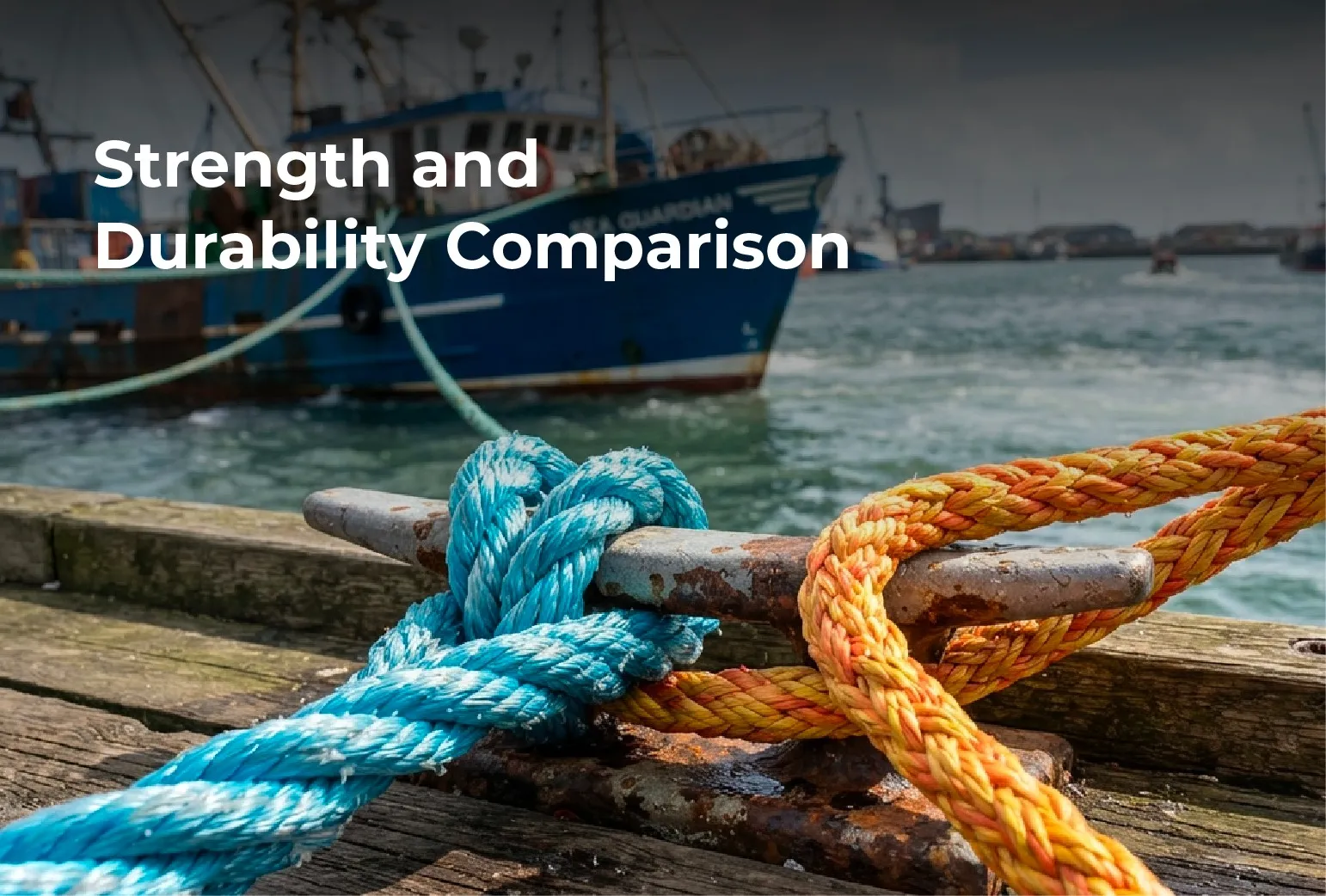
In industrial environments, rope strength is not measured only by how much weight a rope can carry once. True industrial durability involves how the rope performs after repeated use, environmental exposure, tension, abrasion, and operational pressure over time.
PE ropes are generally considered stronger in environments where durability is constantly tested. Their resistance to friction and abrasion allows them to maintain performance even after continuous contact with rough surfaces, heavy loads, and outdoor exposure. In industries such as marine transportation, fishing, construction, and cargo securing, this level of durability becomes important because ropes are not used under gentle conditions.
What makes polyethylene ropes particularly reliable is their ability to handle repeated stress without deteriorating quickly. In many industrial settings, ropes are tightened, dragged, exposed to sunlight, soaked in moisture, and subjected to heavy operational movement every day. PE ropes are valued because they continue performing despite this ongoing strain.
PP ropes also provide strong functional performance across many industries where lightweight handling and operational convenience are more important than maximum abrasion resistance. For warehousing, agriculture, logistics, and packaging operations, polypropylene ropes often deliver more than enough strength to support daily activities.
However, under demanding outdoor conditions or long-term heavy-duty usage, polypropylene ropes may begin showing signs of wear earlier than polyethylene ropes. This does not make PP ropes weak; rather, it reflects the fact that different rope materials are optimized for different operational priorities.
For businesses operating in demanding industrial environments, durability often becomes more valuable than short-term convenience, which is why PE ropes are preferred for heavy-duty industrial rope uses.
Water Resistance and Marine Applications
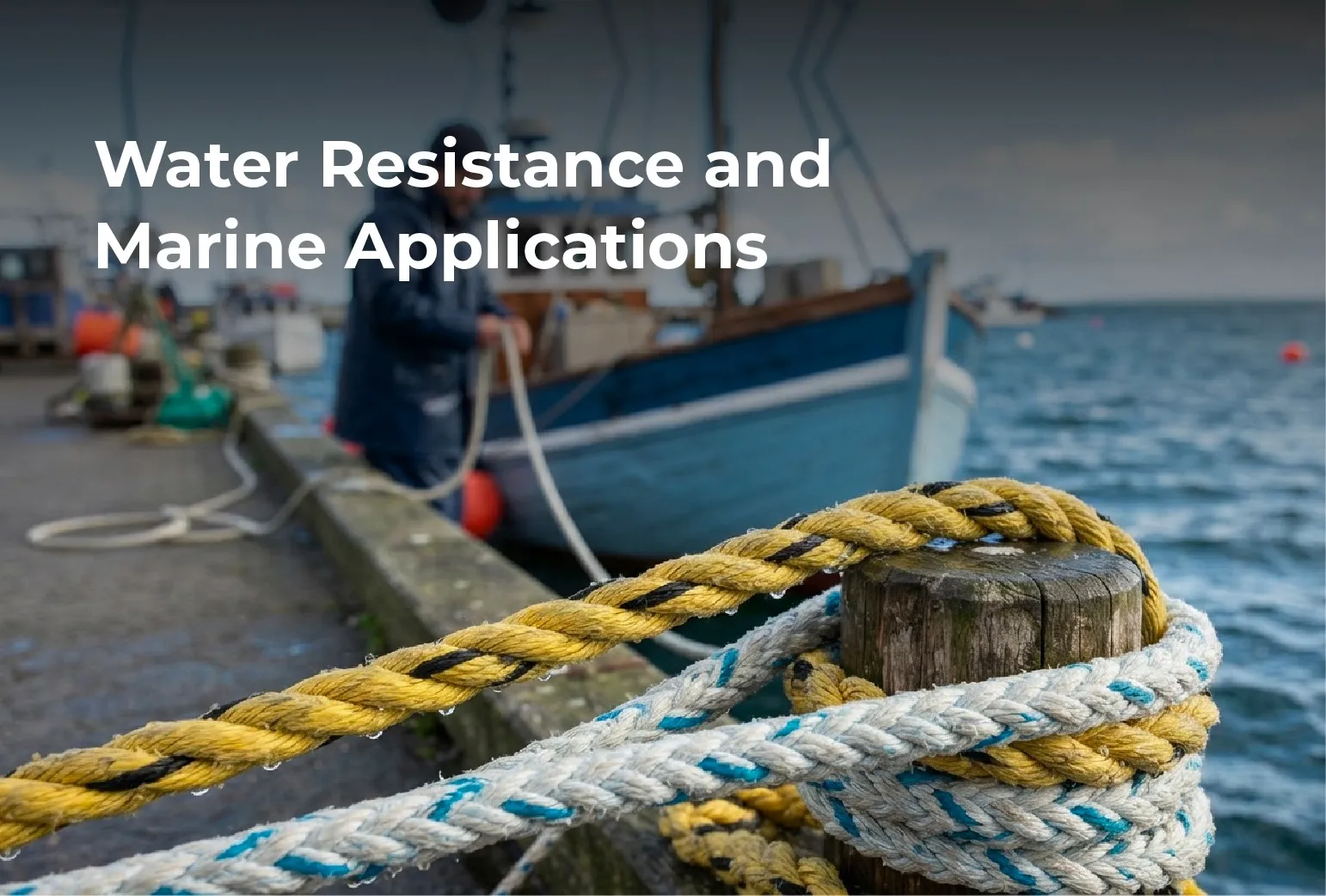
One of the main reasons synthetic ropes replaced many traditional natural fiber ropes is their ability to resist water damage and maintain performance in wet environments. In industries where ropes are exposed to moisture daily, water resistance becomes one of the most important factors influencing rope lifespan and reliability.
Both PE ropes and PP ropes float on water, which makes them suitable for marine operations, fishing industries, and water-based transportation activities. However, while both materials perform well around moisture, polyethylene ropes are viewed as more dependable for long-term marine use because of their stronger resistance to environmental wear and abrasion.
Marine operations place enormous pressure on industrial ropes. Ropes used in docking systems, fishing operations, anchoring activities, and marine transportation are exposed to saltwater, humidity, UV radiation, and repeated movement. Under these conditions, rope materials must maintain both strength and flexibility over long periods without weakening.
PE ropes are effective in these environments because they combine water resistance with stronger abrasion durability. Even under continuous exposure to harsh marine conditions, they tend to retain structural performance more than many alternative rope materials.
PP ropes also perform well in certain marine uses, where lightweight handling is important. Their ability to float makes them useful for temporary marine operations and water-based handling tasks. However, for industries requiring continuous long-term exposure and heavy-duty marine performance, PE ropes are often considered the more reliable solution.
This is why marine rope industries rely on polyethylene rope systems for demanding operational environments where durability and moisture resistance are critical.
Industrial Uses of PE Ropes
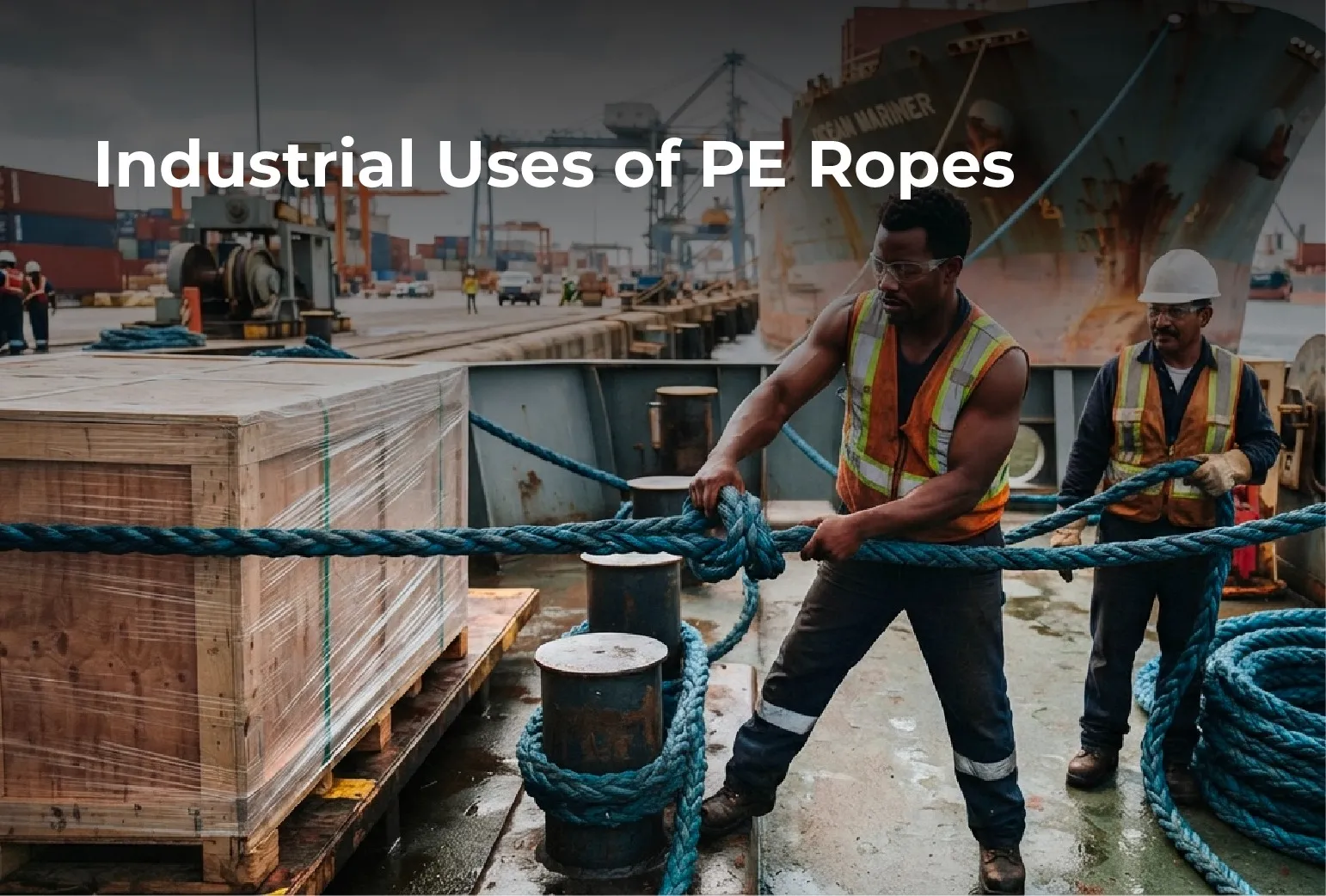
The durability and environmental resistance of PE ropes make them suitable for industries where ropes are exposed to continuous outdoor pressure and heavy operational demands.
In marine industries, polyethylene ropes are used for mooring systems, anchoring operations, docking support, fishing activities, and vessel securing because they float on water and resist moisture-related deterioration. Their abrasion resistance also helps them withstand the constant friction associated with marine movement and cargo handling.
Construction companies also rely on PE ropes for lifting support, material securing, equipment handling, and general site operations. Construction environments are often rough on rope materials due to dust, heavy movement, abrasive surfaces, and constant outdoor exposure. Polyethylene ropes are preferred in these situations because they maintain structural performance despite harsh working conditions.
In agriculture, PE ropes are used for greenhouse support systems, fencing, crop securing, transportation activities, and outdoor tying applications where exposure to weather conditions is unavoidable.
Their versatility across demanding industries explains why PE ropes are regarded as some of the best industrial ropes for heavy-duty operational environments.
Industrial Uses of PP Ropes
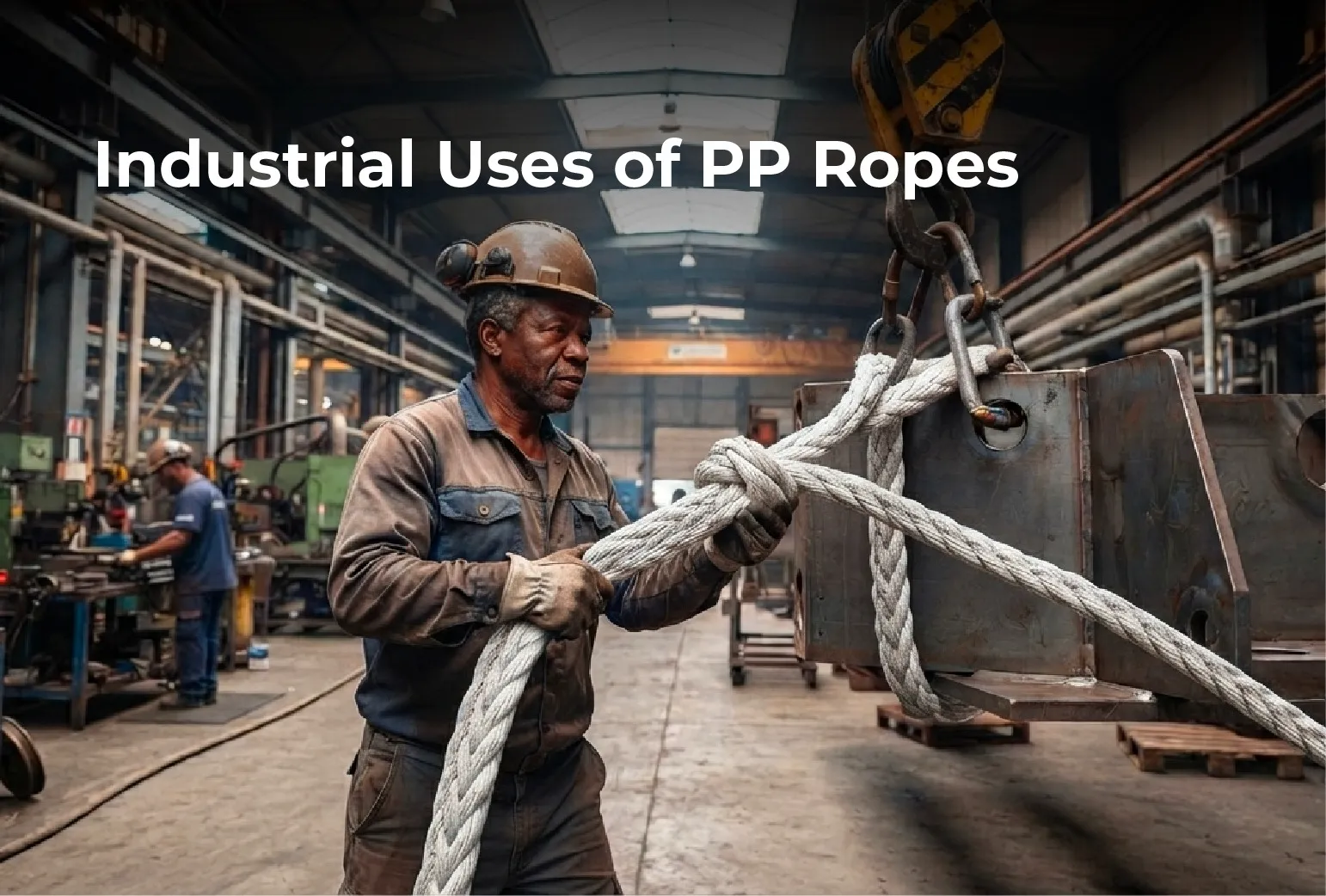
PP ropes are used in industries where operational flexibility, lightweight handling, and cost-efficiency are priorities.
In logistics and warehousing, polypropylene ropes are used for cargo securing, bundling, packaging, tying operations, and transportation support. Because these industries often involve large-scale daily rope handling, the lightweight nature of PP ropes improves operational convenience significantly.
Agricultural operations also make extensive use of PP ropes for stacking, tying, securing materials, and supporting routine farm activities. Their affordability makes them practical for industries where ropes are replaced regularly or used in large quantities.
In construction environments, polypropylene ropes are applied in temporary securing tasks, site organization, material bundling, and light-to-medium-duty handling operations where flexibility and ease of use are more important than maximum abrasion resistance.
Their versatility allows PP ropes to perform across a range of industries without creating high operational costs.
Which Rope Is Better for Heavy-Duty Applications?

When businesses compare PE vs PP ropes for heavy-duty applications, the answer depends on the operational environment and the type of stress the ropes will experience daily.
For industries involving continuous outdoor exposure, rough handling, heavy friction, and long-term operational pressure, PE ropes are considered the stronger and more durable option. Their abrasion resistance and environmental durability allow them to maintain structural integrity under demanding conditions.
Marine industries, construction operations, fishing environments, and cargo handling activities often prefer polyethylene ropes because these sectors place enormous strain on rope materials consistently.
PP ropes, however, remain effective for many industrial applications where lightweight handling, affordability, and flexibility are more valuable than extreme durability. In warehousing, logistics, transportation, and general industrial handling operations, polypropylene ropes often provide more practical operational efficiency.
The best industrial ropes are therefore not determined by a single universal standard. The right rope is the one designed to perform effectively within the specific operational conditions of the business using it.
Factors to Consider Before Choosing Industrial Ropes
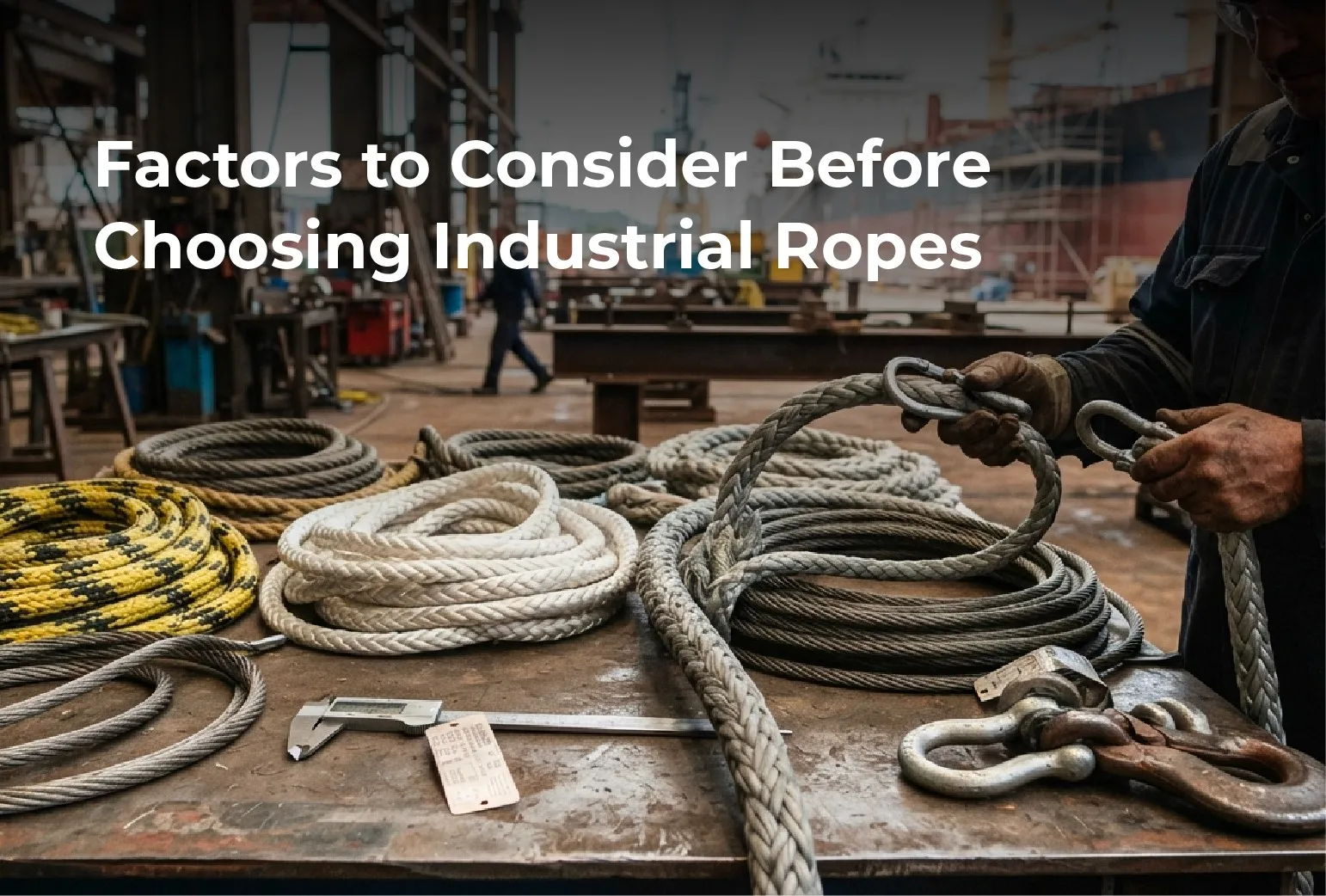
Choosing industrial ropes requires businesses to evaluate far more than basic pricing. Rope selection should be based on the operational conditions, environmental exposure, handling demands, and long-term durability requirements of the intended application.
One of the first considerations should be environmental exposure. Outdoor industries and marine operations require ropes capable of resisting moisture, UV radiation, abrasion, and long-term weather exposure.
Load requirements also matter. Heavy-duty operations require ropes capable of maintaining structural integrity under repeated tension and pressure without weakening quickly.
Handling convenience is another important factor. In industries where ropes are constantly moved, tied, or repositioned, lightweight rope materials may improve operational efficiency considerably.
Businesses should also evaluate rope lifespan, maintenance requirements, replacement frequency, and overall operational cost over time rather than focusing only on initial purchase price.
Working with an experienced industrial rope supplier helps businesses identify synthetic rope solutions suited to their operational environment and industrial demands.
Benefits of Synthetic Ropes in Industrial Operations
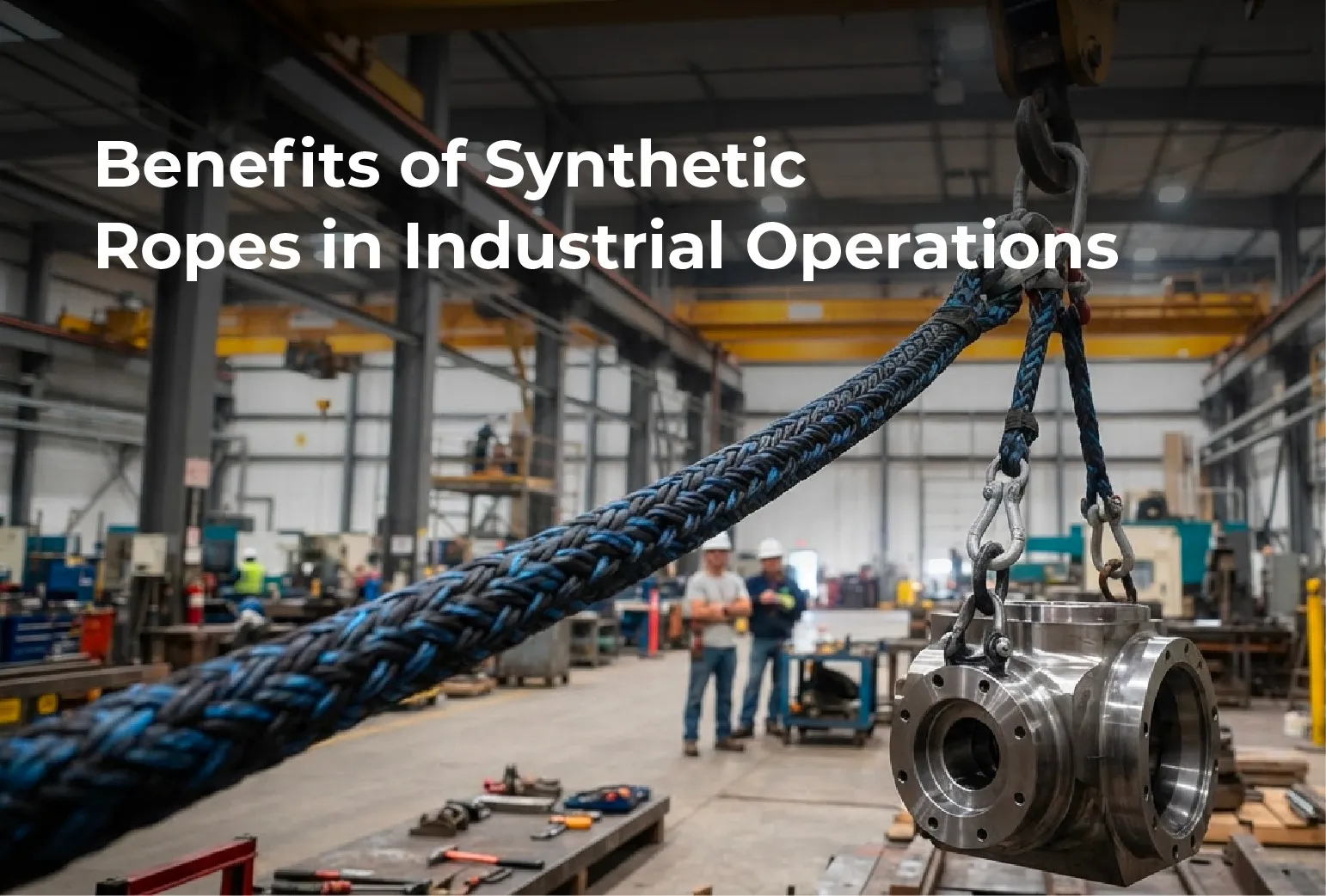
Synthetic ropes have become the preferred choice across many industries because they solve several of the limitations associated with traditional natural fiber ropes.
One major advantage is durability. Synthetic ropes resist moisture, abrasion, mildew, and environmental deterioration far better than natural materials. This allows them to maintain operational performance longer, even under demanding industrial conditions.
Another major benefit is reduced maintenance. Synthetic ropes require less upkeep and remain more stable in wet environments, outdoor exposure, and high-pressure industrial operations.
Their lighter weight also improves handling efficiency. Workers can transport, coil, secure, and manage synthetic ropes more easily during daily activities, which improves productivity in fast-moving industrial environments.
Synthetic ropes also offer greater versatility across industries because they can be engineered for specific operational needs such as marine use, heavy-duty handling, transportation support, or industrial securing applications.
As industrial operations continue evolving across Nigeria, synthetic ropes for industrial use continue to play a critical role in improving operational efficiency and workplace reliability.
Common Industries That Use PE and PP Ropes
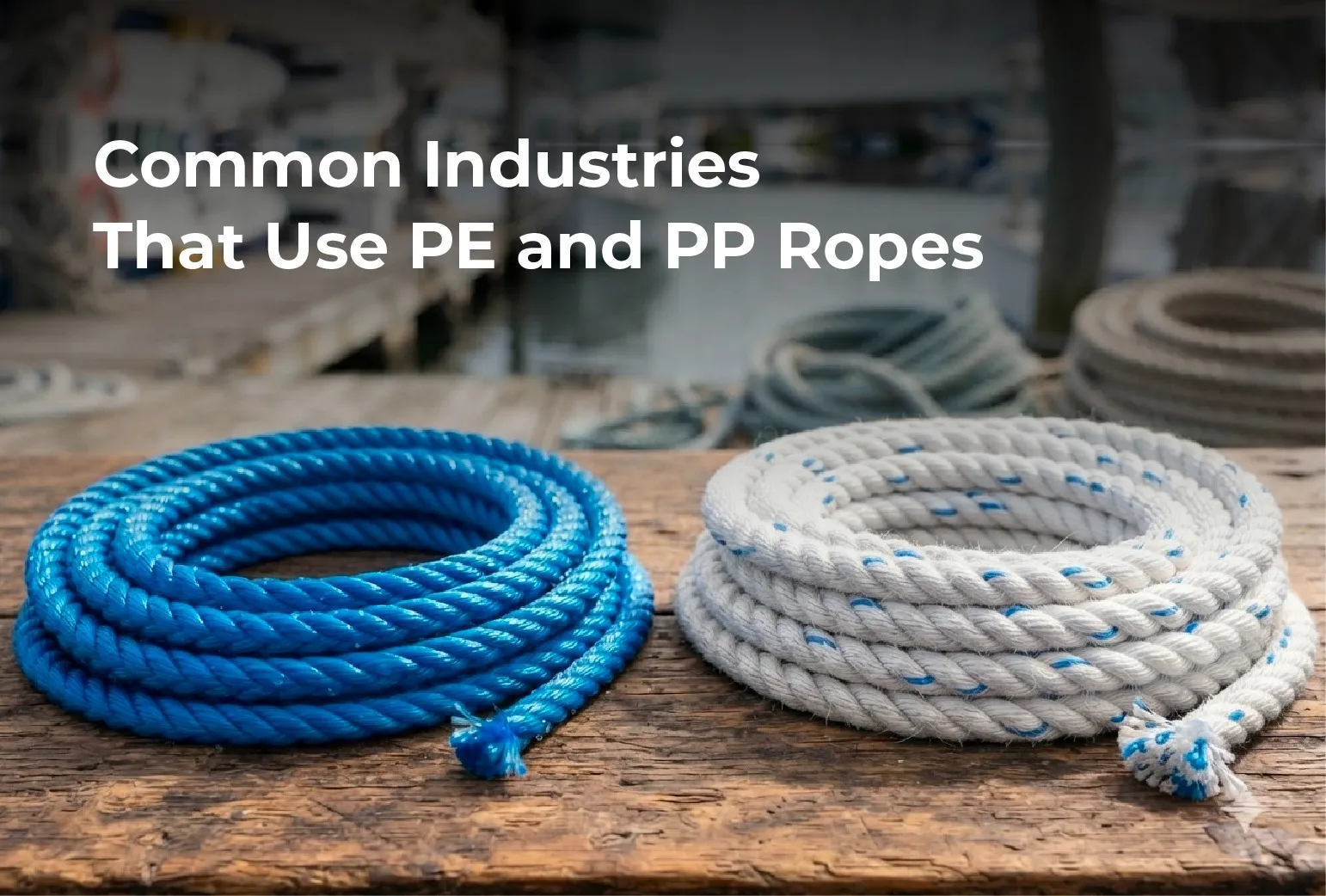
PE ropes and PP ropes are used across a wide range of industries because modern industrial operations rely on durable and flexible rope systems for handling, securing, transportation, and operational support.
Marine industries remain one of the largest users of synthetic ropes because of the constant exposure to water, movement, and heavy operational pressure involved in docking, anchoring, and fishing operations.
Construction companies also depend on industrial ropes for lifting support, material securing, site management, and equipment handling.
Agricultural industries use synthetic ropes extensively for fencing, transportation, crop support, tying systems, and storage operations.
Logistics, warehousing, manufacturing, and transportation sectors also rely on PE and PP ropes daily for cargo securing, packaging, loading support, and operational handling tasks.
The widespread use of synthetic ropes across industries reflects their importance as essential industrial materials rather than simple utility products.
How to Choose the Right Rope for Your Business
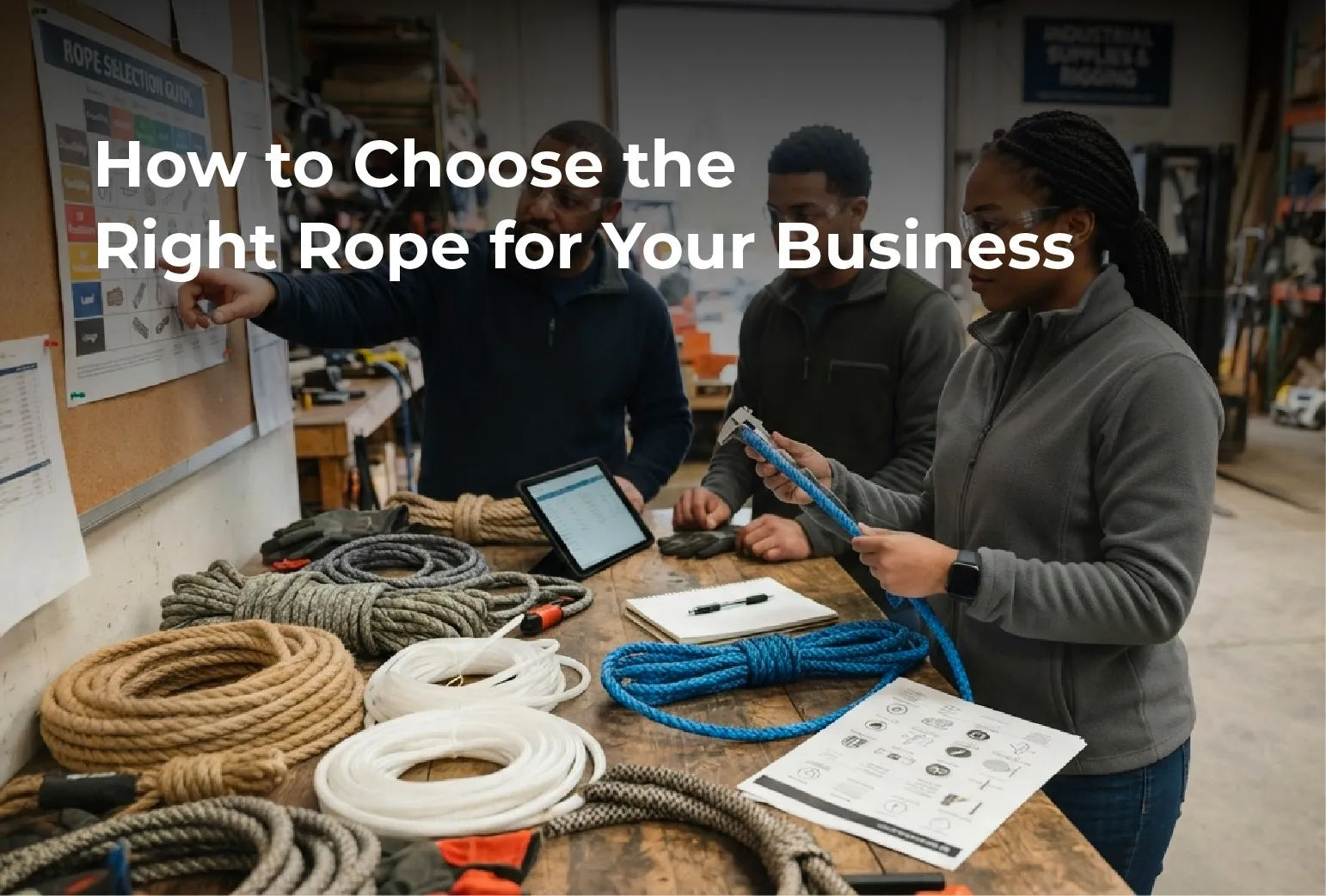
Choosing the right rope begins with understanding the actual operational demands of the business rather than selecting materials based purely on price or familiarity.
Businesses operating in marine environments or abrasive outdoor conditions may benefit more from PE ropes because of their stronger durability and environmental resistance.
Industries focused on warehousing, logistics, transportation, or packaging may find PP ropes more practical because of their lightweight handling and operational convenience.
It is also important to evaluate how frequently the ropes will be used, how much tension they will carry, and what environmental conditions they will face daily.
The right rope should support operational efficiency while minimizing replacement frequency, maintenance demands, and long-term operational costs.
At Quantum Plastics Nigeria, we provide high-quality industrial rope solutions designed to meet the evolving needs of marine, agricultural, logistics, construction, and heavy-duty industrial operations across Nigeria.
Conclusion
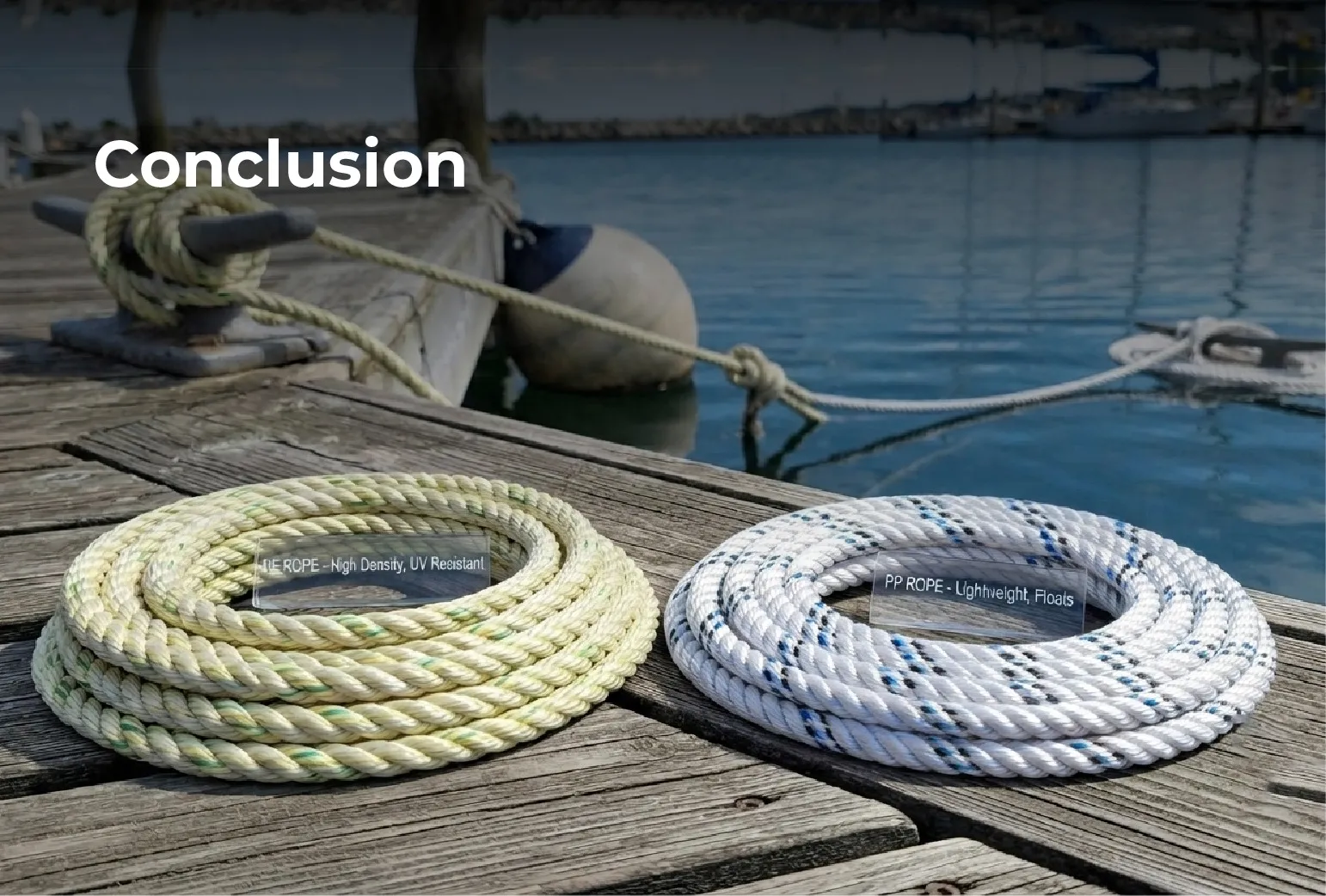
The discussion around PE vs PP ropes is about choosing the right material for the right industrial environment. Both polyethylene ropes and polypropylene ropes offer valuable advantages, but their effectiveness depends on how and where they are used.
PE ropes are preferred for industries requiring stronger durability, abrasion resistance, and long-term environmental performance. PP ropes remain practical for operations where lightweight handling, affordability, and flexibility are more important.
As industrial sectors continue expanding across Nigeria, businesses require synthetic rope solutions capable of supporting efficiency, reliability, and long-term operational performance.
Understanding the differences between PE ropes and PP ropes allows businesses to make more informed decisions that improve safety, productivity, and operational value over time.
Frequently Asked Questions
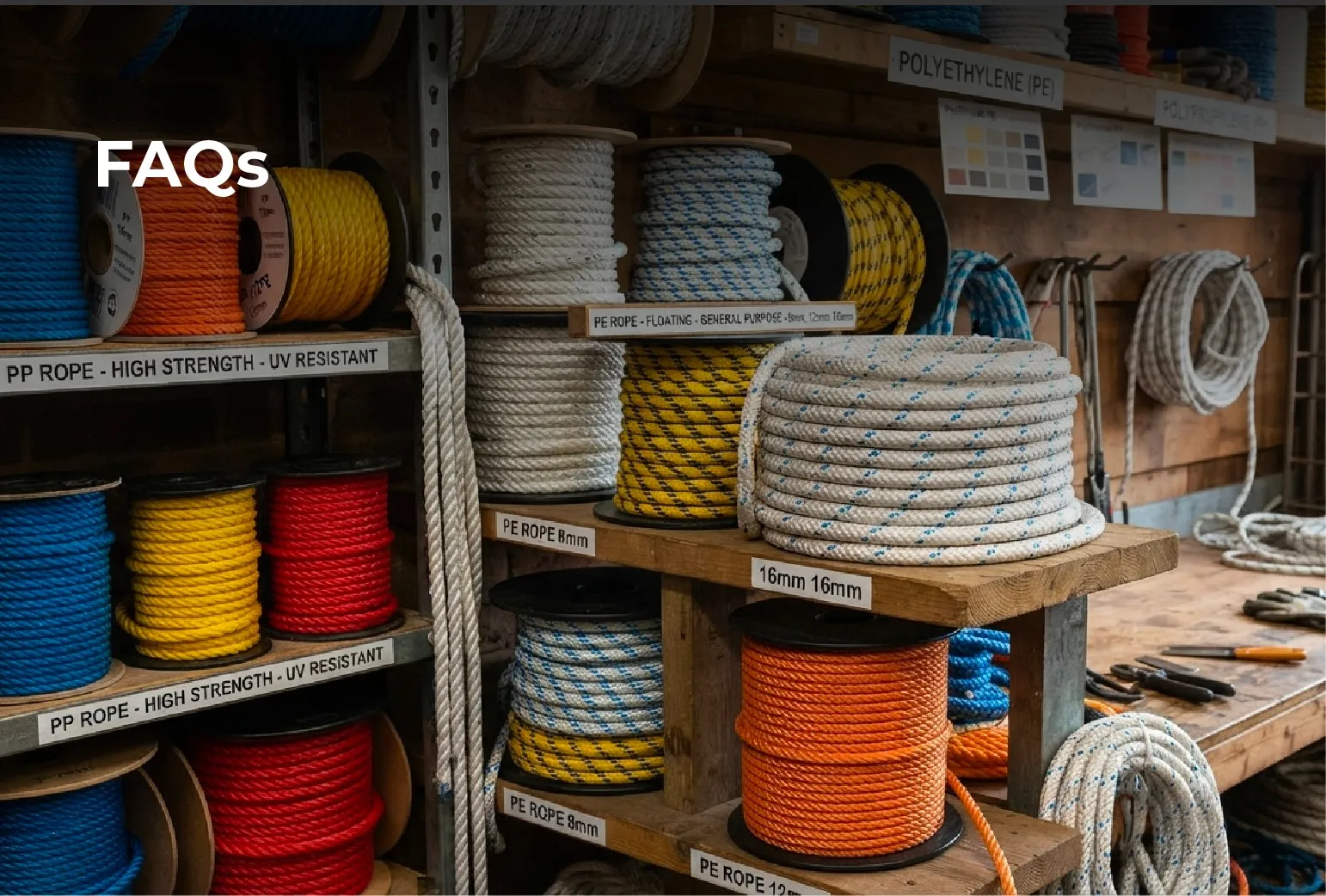
PE ropes are more durable and abrasion-resistant, while PP ropes are lighter, more affordable, and easier to handle during daily operations.
PE ropes are considered stronger and more durable under harsh environmental and heavy-duty industrial conditions.
Yes. Polypropylene ropes resist water absorption and float on water, making them suitable for many industrial and marine applications.
PE ropes are preferred for marine applications because of their stronger abrasion resistance and long-term durability in wet environments.
PE ropes are used in marine operations, fishing, construction, agriculture, cargo handling, and other heavy-duty industrial applications.
For industries involving continuous outdoor exposure and demanding operational conditions, PE ropes are often considered the best heavy-duty industrial rope option.
Looking to choose the right industrial ropes for your operations?
Partner with Quantum Plastic Nigeria for high-quality industrial rope solutions, durable polyethylene (PE) ropes, lightweight polypropylene (PP) ropes, and twines tailored to your business needs.