


Why Mono-Cartons Will Dominate Nigerian Packaging in 2026

Nigeria’s manufacturing sector is transforming in 2026. With a population exceeding 220 million and an expanding middle class, a demand for sophisticated, branded, and sustainable retail packaging has propelled mono-cartons to the forefront, offering both aesthetic appeal and functional durability. As businesses compete to stand out on crowded shelves, this is rapidly gaining traction as the preferred choice for primary containers across multiple sectors.
The shift we are witnessing is not accidental; it is a response to broader packaging trends prioritizing local sourcing and environmental responsibility. Currency fluctuations and volatile import costs are steering manufacturers towards mono-cartons produced efficiently from local paperboard. The rise of Mono-carton packaging in 2026 is also fueled by the expansion of the Small and medium-sized enterprises (SMEs) economy, which now represents a significant portion of Nigeria’s economic activity. These businesses require professional-grade packaging to compete effectively with established global brands. For many entrepreneurs launching products in categories such as food, cosmetics, and wellness, high-quality mono-carton boxes provide an affordable pathway to premium shelf presence, enabling them to access modern retail channels that would otherwise favor larger, well-established competitors.
Based on current market indicators, the Nigerian packaging industry maintains a strong valuation, with recent growth driven by the increasing “paperization” of retail goods. These packaging trends reflect a consumer base that is conscious of brand identity. By adopting mono-carton boxes, companies are expected to achieve a premium look without the higher costs of rigid or multi-layered alternatives. This is contributing to the growing adoption of mono-cartons for pharmaceuticals, food, and fast-moving consumer goods, such as breakfast cereals.
What Are Mono-Cartons?
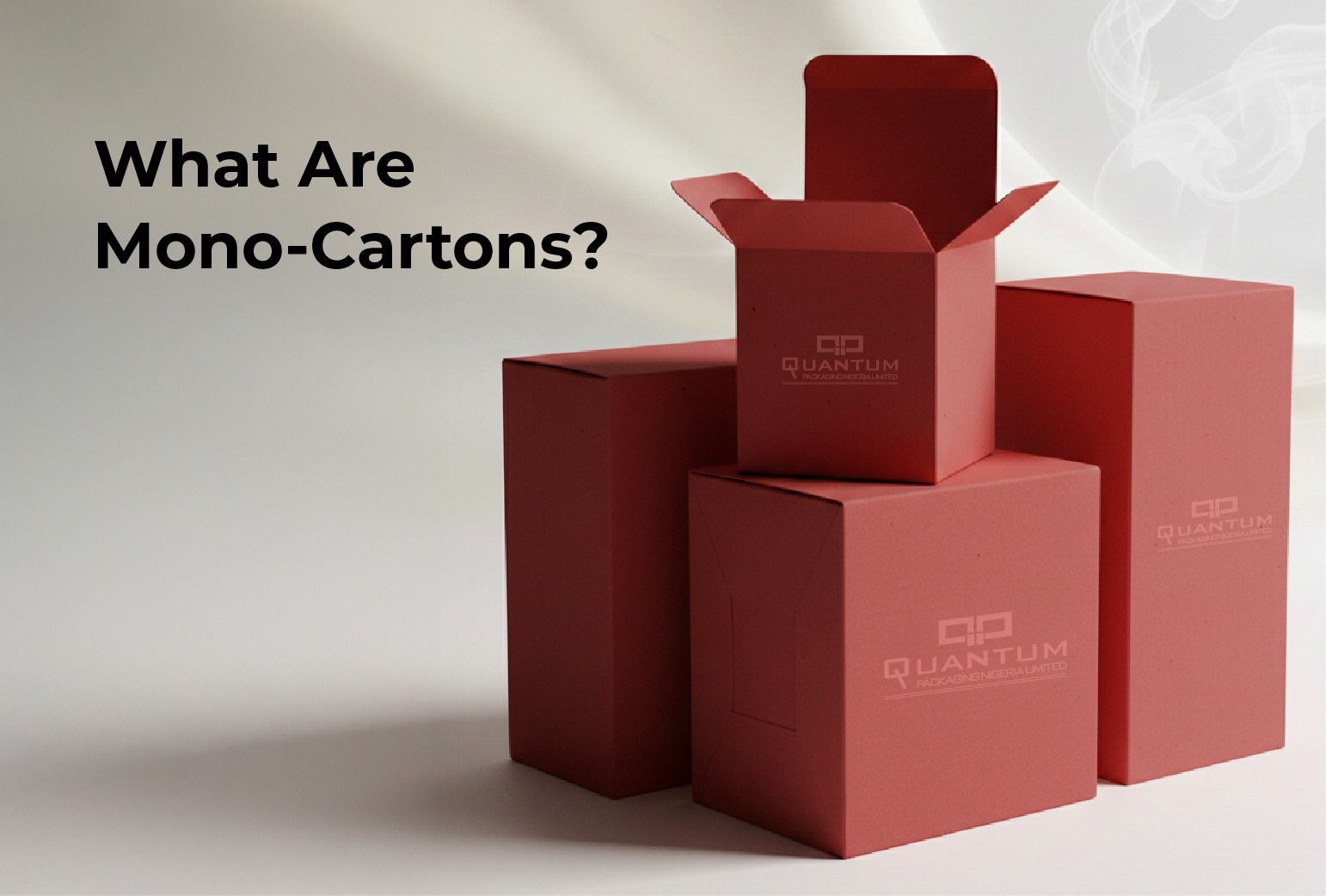
To understand why this format is gaining ground, one must first define what makes it unique. Unlike multi-layered corrugated boards (which are made up of several layers of material glued together for extra strength), mono-cartons are made from a single layer of high-quality paperboard, typically SBS (Solid Bleached Sulfate, a type of strong, white cardboard) or Duplex board (a paperboard with two layers, usually with a white top surface for printing). Mono-cartons are foldable, lightweight, and compatible with high-speed automated packing lines. Their smooth surface enables high-resolution offset and UV printing, making them ideal for premium branding presentations.
One of the defining packaging trends is the movement toward ’mono-material’ structures, which are made from only one type of material. This approach simplifies the recycling process by avoiding complex laminates (which are layers of different materials glued together). Because mono-cartons consist of a single substrate (a base material), they are significantly easier for local waste management systems to process compared to plastic or hybrid materials. They offer sufficient structural integrity to protect the product while remaining thin enough to optimize space efficiency during transit and storage.
Understanding the technical aspects of mono-carton packaging allows brands to utilize finishing techniques such as foil stamping, embossing, and matte lamination. These enhancements are central to the packaging trends, where tactile experiences help drive consumer trust and brand recall.
Growing Demand for Branded Packaging in Nigeria
As Nigeria’s retail sector formalizes, the era of unbranded "open-market" goods is quickly fading into the background. Packaging trends show that consumers now equate high-quality packaging with product safety and authenticity. This is why mono-cartons have become essential; they provide the surface area needed for mandatory regulatory information, NAFDAC numbers, and vibrant brand storytelling. The adoption of mono-carton packaging will particularly be visible in the FMCG sector, where competition for shelf visibility is intense.
A product's success is often determined before the consumer even tries the contents, simply based on the "shelf appeal" of its mono-carton boxes. This psychological influence on buying decisions is one of the most powerful packaging trends, pushing brands to invest more in the visual and structural quality of their boxes. Mono-cartons enable intricate die-cut designs and windows that allow consumers to see the product inside, a feature that builds immediate trust.
Furthermore, the surge in the pharmaceutical and cosmetics industries has necessitated the use of Mono-carton packaging that can include security features like QR codes and tamper-evident seals. These advanced mono-carton boxes help protect brands from counterfeiting, which remains a critical concern for Nigerian manufacturers. By aligning with current packaging trends in Nigeria, companies are using their outer containers as a digital bridge to engage with customers through scannable content. For any growing business, investing in mono-cartons is about establishing a professional brand identity that resonates with a 21st-century audience.
Key Reasons Mono Cartons Will Dominate in 2026
The dominance of this format in the current year is driven by four key pillars:
- Branding
- Cost
- Versatility
- Logistics
Looking ahead to packaging trends in Nigeria in 2026, superior brand presentation is at the top of the list. Mono-cartons offer a superior printing surface that captures every detail of a brand's logo and color palette with vivid accuracy. Because mono-cartons are compatible with various luxury finishes like spot UV and gold foiling, they allow even modest brands to appear "premium" at a fraction of the cost.
Secondly, the economic climate of 2026 is expected to place a strong emphasis on cost-effectiveness. Mono-carton packaging is generally more economical to mass-produce than rigid boxes or metal containers, particularly for high-volume industries. Additionally, mono-cartons are lightweight, enabling businesses to reduce transportation costs and potentially lower their carbon footprint.
Another key factor is versatility across sectors. Mono-cartons can be produced in a wide range of shapes and sizes, allowing them to fit any product perfectly. Finally, the "paperization" movement is accelerating, with brands increasingly replacing plastic packaging with mono-cartons due to their biodegradable and environmentally friendly properties. As 2026 progresses, the demand for mono-carton packaging is expected to intensify as businesses seek to balance profitability with safety and regulatory compliance.
Mono-Cartons vs Other Packaging Options
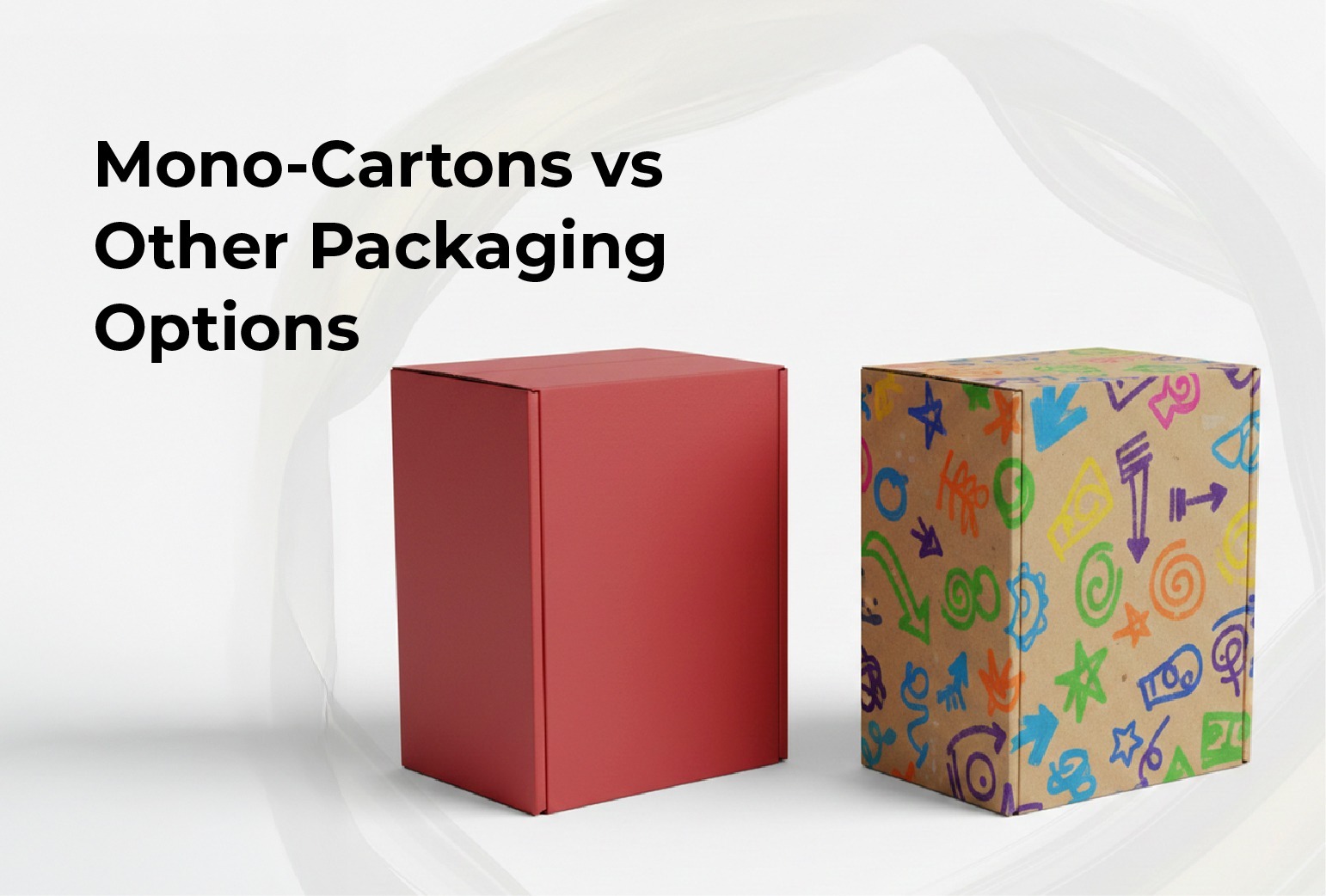
When comparing different formats, the advantages of mono-cartons become even more apparent. While corrugated boxes are excellent for transit and shipping, they lack the smooth, high-definition finish required for primary retail display that mono-carton boxes provide. Modern packaging trends emphasize "right-sizing," and mono-cartons offer a more tailored, aesthetically pleasing fit for individual products than bulky corrugated alternatives. Furthermore, the cost of producing mono-cartons at scale is often lower than that of high-end rigid boxes, which are typically used for premium or luxury items.
In comparison to plastic packaging, the battle is being won on the grounds of sustainability and consumer perception. One of the strongest drivers of avoiding single-use plastics is the combination of rising environmental taxes and growing consumer demand for sustainable alternatives. Mono-cartons in Nigeria are viewed as a "natural" and "safe" alternative, especially for food and pharmaceutical products. Unlike plastic, mono-cartons do not leach chemicals and are significantly easier to dispose of in an eco-friendly manner.
For retail uses, mono-carton packaging offers better value because it combines the protection of a rigid structure with the printability of a flexible wrap. The flat-packed nature of mono-carton boxes also means they take up 80% less space in a warehouse than pre-formed plastic containers. Ultimately, the transition to mono-carton packaging represents a move toward efficiency and elegance that other materials simply cannot match.
Industries That Will Drive Mono Carton Growth in Nigeria

The sheer breadth of industries adopting this format is what will secure its dominance throughout the year.
- The FMCG and food and beverage sectors are the primary engines behind the high demand for mono-cartons in Nigeria. As more local food processors enter the market to produce packaged snacks, tea, and cereals, the need for boxes that meet international hygiene standards has skyrocketed. These industries are at the forefront of the packaging trends in Nigeria in 2026, demanding boxes that can withstand shelf life while maintaining vibrant graphics.
- Pharmaceuticals are another major driver, as the government continues to push for local drug manufacturing. High-quality mono-carton packaging is often essential for medical products as it allows the clear printing of dosages, expiry dates, and anti-counterfeit markings. Within the beauty industry, the "clean beauty" mono-cartons are increasingly adopted for cosmetics packaging as brands seek eco-conscious solutions.
- Small and medium-sized enterprises (SMEs) and startups are increasingly adopting mono-carton packaging as a way of enhancing their product presentation. By using mono-cartons, these businesses can give handmade soaps, artisanal foods, and other products a polished, "big-brand" appearance that helps secure shelf space in modern retail outlets. This widespread access to premium packaging is democratizing the market, enabling greater diversity and competition among brands of all sizes. As these sectors continue to expand, mono-cartons are increasingly becoming the preferred choice for primary product packaging. For suppliers and manufacturers, a deep understanding of the specific requirements of SMEs and startups is essential for success in the evolving packaging landscape.
Choosing the Right Mono-Carton Supplier in Nigeria

As the market becomes more saturated, finding a reliable partner for your Mono-carton boxes is critical to project success. A great supplier doesn't just provide boxes; they understand the packaging trends in Nigeria 2026 and can offer advice on material weight, coating, and finishing. When sourcing mono-cartons in Nigeria, you must look for a company that invests in modern offset and digital printing technology to ensure consistent color matching across batches. Quality mono-carton packaging requires a high degree of precision in die-cutting and gluing to ensure the boxes fit perfectly on automated production lines.
Customization capabilities are also essential for mono-cartons in Nigeria in 2026. A top-tier supplier should be able to offer a variety of finishes, such as aqueous coating or UV varnish, to protect the ink from fading in the Nigerian sun. Since product packaging trends in Nigeria move quickly, your supplier for mono-carton boxes should also be agile enough to handle smaller runs for seasonal promotions or limited editions. Lead times are another major consideration; in the fast-paced world of mono-carton packaging in Nigeria 2026, a delay in packaging can stop an entire product launch.
Future Outlook: Mono-Cartons Beyond 2026
The road ahead for this packaging format is filled with innovation and technological integration. Beyond the current packaging trends in Nigeria 2026, we expect to begin exploring "smart mono-cartons" that utilize NFC tags and augmented reality to provide consumers with an immersive brand experience. Mono-cartons in Nigeria will no longer be static boxes; they will become interactive tools that tell the story of the product’s origin and benefits. The evolution of mono-cartons in Nigeria will also involve more advanced barrier coatings that allow paperboard to hold liquids and perishable items even more effectively.
Sustainability will continue to be the main driver for mono-carton packaging and beyond. We are likely to see an increased use of agricultural waste fibers to create the next generation of mono-cartons in Nigeria. This shift will further solidify the packaging trends in Nigeria 2026 that emphasize circularity and minimal waste. As Nigerian brands look toward the international market, the demand for export-quality mono-cartons will force local manufacturers to adopt even stricter quality control measures.
The integration of AI in design and production will also make mono-carton packaging in Nigeria more affordable for micro-enterprises. These advancements in mono-cartons in Nigeria will allow for hyper-personalized packaging where every box is slightly different, catering to the "niche" marketing packaging trends. As urban retail infrastructure continues to modernize, the role of mono-carton boxes in Nigeria as a silent salesman will become even more sophisticated. The rise of mono-cartons reflects a response to the changing needs of the Nigerian marketplace. They have emerged as one of the most adaptable and effective packaging formats for the modern era. As we have seen, mono-cartons provide the professional edge that brands need to thrive in a competitive, formalizing economy.
The adoption of mono-carton packaging in Nigeria in 2026 proves to be a strategic move toward a more efficient and sustainable manufacturing sector. At Quantum Packaging, we encourage businesses to embrace mono-carton boxes early to take advantage of the logistical savings and branding power they offer. As recent packaging trends in Nigeria continue to favor fibre-based solutions, the window of opportunity to lead the market is now.
Your choice of packaging is the first tangible interaction customers have with your brand. By prioritizing mono-carton packaging for your business, you are making a statement about your commitment to quality and the environment. As the year progresses, the dominance of mono-cartons in Nigeria will only become more apparent in every shop and pharmacy across the nation. Let your Mono-carton boxes Nigeria be the vehicle that carries your brand into a prosperous future. Contact us at Quantum Packaging via email at contact@qpnlnig.com, or visit our website at www.quantumpackagingnig.com to explore the best packaging solutions for your business.